
Pregnancy-related back pain is common, but severe, sudden, or unusual pain should not be dismissed. Changes in posture, joint flexibility, body weight, muscle support, and balance can all place extra stress on the lower back and pelvis.
For many pregnant people, gentle movement, supportive positioning, careful lifting, and guidance from the prenatal care team can reduce discomfort without creating unnecessary risk.
Why does pregnancy cause back pain?
Pregnancy can affect the back in several overlapping ways. As the abdomen grows, the body’s center of gravity shifts forward. Some people compensate by leaning backward, which can increase strain on the lower-back muscles.
Pregnancy hormones also loosen certain ligaments around the pelvis in preparation for childbirth. That increased flexibility may make the pelvis and lower back feel less stable, particularly after standing, walking, climbing stairs, or turning in bed.
Additional contributors may include:
- Reduced abdominal support as the abdominal muscles stretch
- Increased pressure on the pelvis and lower spine
- Long periods of sitting or standing
- Carrying groceries, laundry, or young children
- Unsupportive footwear
- Sleeping in a position that strains the hips or back
In a dense suburban community such as Lynbrook, daily routines may involve commuting, household errands, stairs, and extended periods of sitting. Breaking up these activities with brief movement and position changes can be helpful.
What can relieve pregnancy-related back pain at home?
The safest approach is usually gentle, consistent care rather than forceful stretching or prolonged bed rest.
Improve sitting and standing posture
When standing, keep the chest comfortably lifted, shoulders relaxed, and knees slightly bent. Avoid locking the knees or leaning backward. If standing for a long time, place one foot on a low step or rotate between short periods of standing and sitting.
When sitting:
- Choose a chair with firm back support.
- Place a small cushion behind the lower back if needed.
- Keep both feet supported rather than crossing the legs for long periods.
- Change position every 20 to 30 minutes.
- Avoid sinking into soft couches that make it difficult to stand.
A workstation may need adjustment as pregnancy progresses. The screen should be near eye level, and the keyboard should allow the elbows to remain relaxed rather than reaching forward.
Use gentle movement
Complete inactivity can increase stiffness and weakness. Unless the obstetric care team has advised otherwise, low-impact activities such as walking, swimming, or prenatal exercise may be appropriate.
A gentle hands-and-knees movement can sometimes ease lower-back tension:
1. Position the hands beneath the shoulders and knees beneath the hips.
2. Keep the neck relaxed and the back in a neutral position.
3. Slowly draw the abdomen inward and gently round the back.
4. Hold briefly, then return to a comfortable neutral position.
5. Repeat slowly, stopping if pain increases.
Movement should feel controlled, not forced. Avoid bouncing, deep twisting, breath-holding, or stretches that create sharp pain. People with pregnancy complications, significant pelvic pain, or activity restrictions should ask their prenatal provider which exercises are suitable.
Try warmth carefully
A warm shower, warm bath, or low-temperature heating pad may relax tense muscles. A heating pad should be wrapped in a towel, used for a short period, and kept on a low setting. Avoid falling asleep with it in place or using intense heat that raises overall body temperature.
Cold packs may help after activity if the area feels irritated or inflamed. Wrap the pack in cloth and use it briefly rather than placing ice directly against the skin.
Adjust sleep support
Side sleeping is often more comfortable as pregnancy advances. A pillow between the knees can reduce twisting through the pelvis. Another pillow under the abdomen or behind the back may provide additional support.
The goal is not to create a rigid “perfect” position. Comfort, safe breathing, and the ability to change positions matter more than holding one posture all night.
Lift and carry differently
To pick something up, move close to the object, widen the stance, bend at the knees, and lift with the legs. Keep the object near the body and avoid twisting while rising.
Whenever possible, divide heavy loads into smaller portions. Carrying two lighter bags may place less strain on one side of the body than carrying one heavy bag. Ask for assistance with bulky objects, especially later in pregnancy when balance changes.
Are massage, physical therapy, or chiropractic care safe during pregnancy?
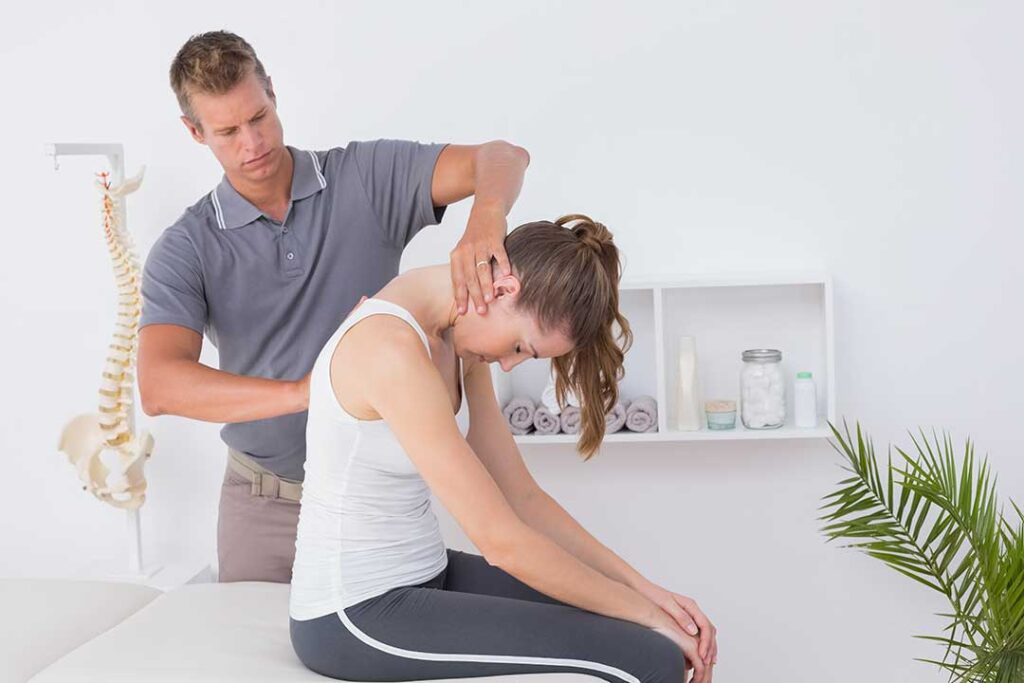
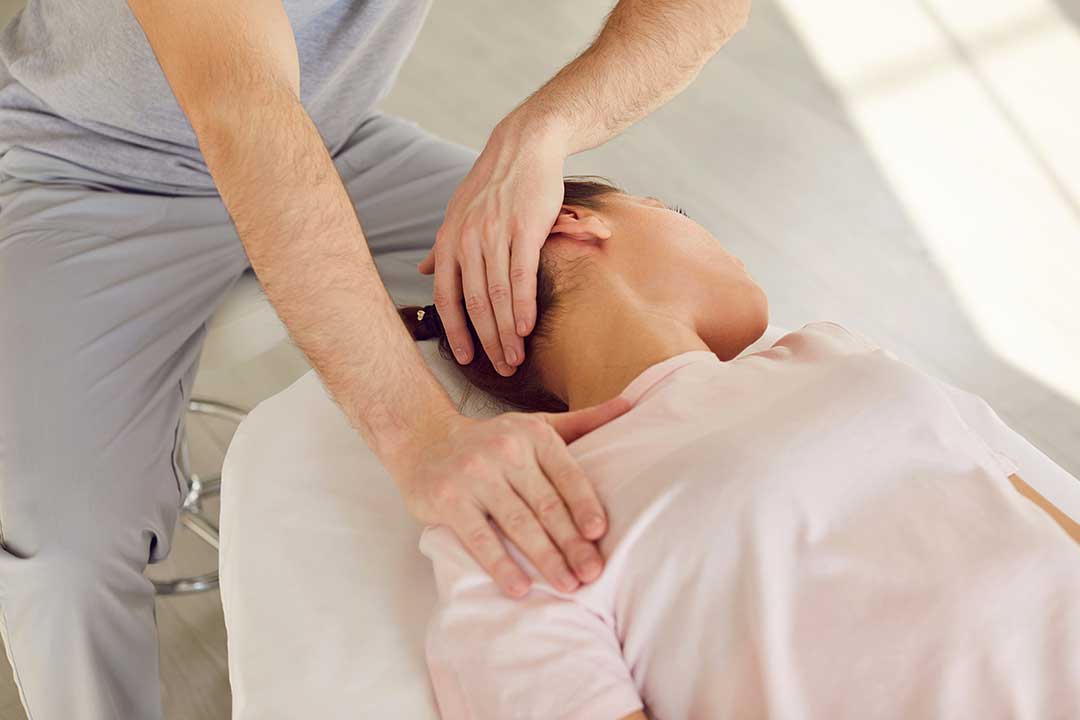
Massage, prenatal physical therapy, and some forms of chiropractic care may help certain people, but the approach should be adapted to pregnancy and coordinated with the prenatal care team.
A qualified provider should know how far along the pregnancy is, whether there are medical or obstetric complications, and whether symptoms suggest pelvic girdle pain, nerve irritation, or another condition. Pregnancy-specific positioning is essential; forceful spinal manipulation, aggressive stretching, or techniques that cause pain are not appropriate.
Chiropractic care should not replace evaluation of warning signs. If a pregnant person is considering it, discussing the plan with the obstetric provider first is a sensible safety step. The chiropractor should also be told about the pregnancy, symptoms, medications, and any restrictions.
Can pain medicine be used during pregnancy?
Medication decisions should be individualized. A prenatal provider or pharmacist can explain whether acetaminophen is appropriate and what dose is safe for that particular person.
Do not assume that an over-the-counter pain reliever, topical product, herbal preparation, or muscle rub is safe simply because it does not require a prescription. Some medicines commonly used for back pain are not suitable during parts of pregnancy. Avoid taking medication left over from a previous condition without checking first.
When is pregnancy back pain a warning sign?
Back discomfort should be discussed promptly with the prenatal care team if it is severe, persistent, worsening, or interfering with walking or sleep. Medical advice is especially important if the pain follows a fall or other injury.
Seek urgent guidance for back pain accompanied by:
- Vaginal bleeding or fluid leakage
- Fever or chills
- Pain or burning with urination
- Pain high in the side or under the ribs
- Regular abdominal tightening or contractions
- New pelvic pressure
- Numbness, weakness, or pain traveling down a leg
- Loss of feeling in the legs, buttocks, or genital area
Back pain in the second or third trimester can occasionally be associated with early labor or another condition requiring assessment. New neurological symptoms, inability to control the bladder or bowel, or loss of sensation require immediate medical attention.
How can residents prepare for changing weather and routines?
Cold, damp weather can make muscles feel stiffer, while hot, humid conditions can increase fatigue and dehydration. During winter, supportive shoes with good traction are particularly useful because a fall can cause injury. During warmer months, exercise should be done in a cool setting with adequate water and rest breaks.
Simple planning also helps: keep frequently used items within easy reach, avoid carrying heavy loads up and down stairs, and use short walks or gentle mobility breaks instead of remaining in one position for long stretches.
Pain that is mild and improves with rest, support, or gentle movement is often manageable at home. Pain that is new, intense, persistent, or accompanied by other symptoms deserves individualized medical evaluation.
