

Sciatica can cause sharp, burning, or electric-like pain that travels from the lower back or buttock into the thigh, calf, or foot. Natural self-care may reduce irritation and improve movement, but persistent, severe, or unusual symptoms need medical evaluation.
What does sciatica feel like?
Sciatica is a group of symptoms caused by irritation or compression of nerves in the lower spine. It usually affects one side and may include:
- Pain traveling down the leg
- Tingling or pins-and-needles sensations
- Numbness in the buttock, leg, or foot
- Weakness when lifting the foot or standing
- Pain that worsens with prolonged sitting, coughing, or sneezing
Not every case of leg pain is sciatica. Hip problems, muscle injuries, arthritis, circulation problems, and other nerve conditions can feel similar. A careful history and physical examination help determine whether the sciatic nerve is involved.
Can gentle movement help sciatic pain?
Yes. Staying lightly active is generally more helpful than prolonged bed rest. Gentle movement can reduce stiffness and prevent the back and hips from becoming guarded and tense.
Short walks on level ground may be a reasonable starting point. During colder months, icy sidewalks and rigid outdoor surfaces can make walking uncomfortable or unsafe, so indoor walking or gentle mobility exercises may be more practical. The goal is not to push through severe pain but to maintain comfortable movement.
Try changing position every 20 to 30 minutes rather than remaining seated for long periods. For people who work at home, drive frequently, or spend much of the day sitting, alternating between sitting, standing, and brief walking breaks may reduce pressure on the lower back.
Stop an exercise if it causes increasing leg pain, new numbness, or weakness. A mild stretch or temporary ache may be acceptable, but symptoms that travel farther down the leg generally signal that the activity is too aggressive.
Which stretches are usually considered gentle?
Gentle stretching may help when tight muscles around the hips, buttocks, and back contribute to discomfort. Movements should be slow, controlled, and performed without bouncing.
Common examples include:
- Lying on the back and gently bringing one knee toward the chest
- Performing a mild buttock stretch with one ankle resting over the opposite knee
- Slowly tilting the pelvis while lying down
- Gently stretching the hamstrings without forcing the knee straight
There is no single stretch that works for every person with sciatica. Some people feel better with positions that gently arch the back, while others prefer a slightly rounded position. A movement that consistently increases leg symptoms should be discontinued.
Should heat or ice be used?
Either may provide short-term comfort, depending on the stage and character of the pain. Cold packs can temporarily reduce discomfort after a recent flare, while heat may relax tight muscles and make movement easier.
Use a wrapped cold pack or heating pad for about 15 to 20 minutes at a time. Do not place extreme heat or ice directly on the skin, and avoid falling asleep while using a heating device. People with reduced sensation, diabetes, or circulation problems should use extra caution because burns or cold injuries may occur without being noticed promptly.
Warm showers can also help loosen muscles before gentle movement. In a tightly packed household schedule, using heat briefly before getting dressed or beginning daily activities may be more practical than setting aside a long period for treatment.
How can sleep position affect symptoms?
Sleep positioning may reduce strain on the lower back, although comfort varies. Side sleeping with a pillow between the knees can help keep the hips more aligned. Back sleepers may feel better with a pillow beneath the knees.
A mattress does not need to be extremely firm to support the back. The most useful sleeping surface is one that allows a neutral, comfortable position without excessive sagging. If turning in bed is painful, move the shoulders and hips together rather than twisting the spine sharply.
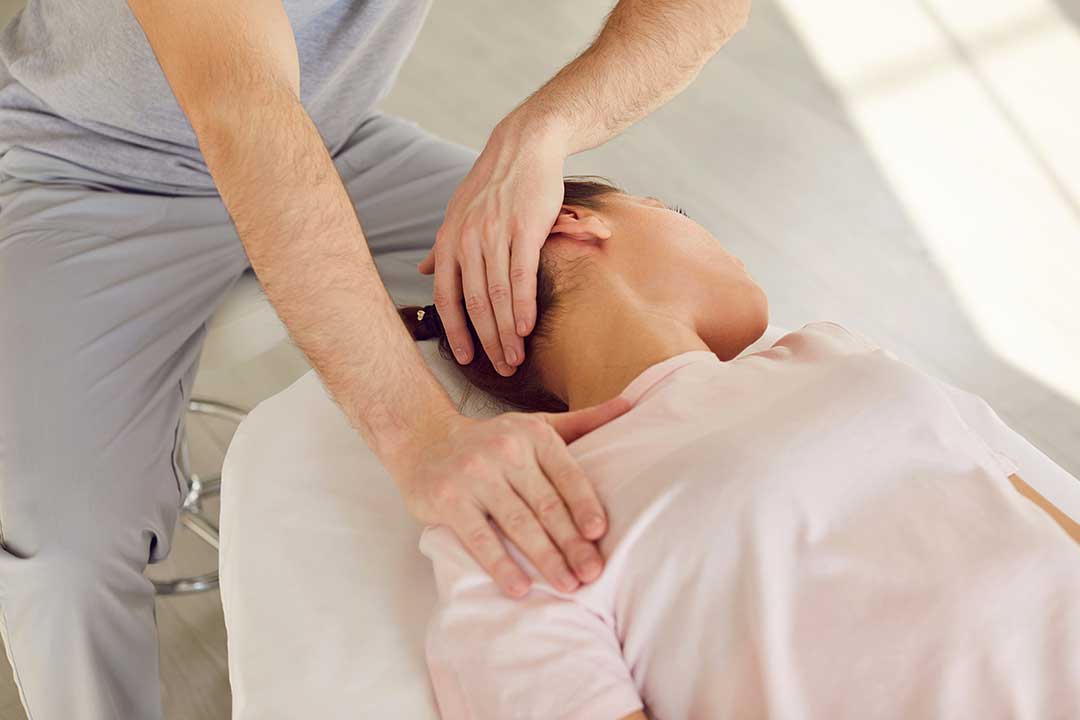
Can massage, chiropractic care, or other hands-on methods help?
Massage may temporarily ease muscle tension around the lower back, hips, and buttocks. It should not involve forceful pressure directly over a painful nerve or an area with numbness.
Chiropractic care and other manual approaches may help some people with mechanical low back pain, particularly when paired with exercise and activity changes. However, treatment should be based on an appropriate assessment. High-velocity or forceful techniques are not suitable for every condition, especially when there is progressive weakness, significant numbness, recent trauma, infection risk, or another serious cause of symptoms.
Acupuncture, guided exercise, and physical rehabilitation are also used by some people. Evidence and results vary, and a treatment that helps one person may not help another. Natural does not automatically mean risk-free.
Are supplements or herbal remedies useful?
Evidence for supplements and herbal products specifically treating sciatica is limited. Products marketed for inflammation or nerve pain can interact with blood thinners, diabetes medicines, blood-pressure drugs, and other prescriptions.
Avoid assuming that a product is safe because it is labeled natural. Discuss supplements with a qualified medical provider or pharmacist, especially during pregnancy, before surgery, or when managing a chronic condition. Food, hydration, adequate sleep, and regular movement are generally safer foundations than unverified remedies.
When should sciatica be evaluated urgently?
Most uncomplicated cases improve gradually, but certain symptoms require prompt medical attention. Seek urgent care for:
- New or worsening weakness in the leg or foot
- Loss of bladder or bowel control
- Numbness around the inner thighs, buttocks, or genital area
- Severe symptoms affecting both legs
- Back or leg pain after a significant fall or collision
- Fever, unexplained weight loss, or a history of cancer with new back pain
A medical evaluation is also appropriate when pain is severe, continues to worsen, interferes with sleep or walking, or does not begin improving with reasonable self-care. Imaging is not automatically needed for every episode; it is usually considered when symptoms persist, neurological findings are present, or a serious cause is suspected.
What is a sensible first step at home?
For a mild, familiar flare without warning signs, begin with comfortable movement, brief walking, position changes, and either heat or cold. Avoid heavy lifting, deep twisting, and aggressive stretching for several days. Keep track of whether symptoms are improving, staying the same, or spreading farther down the leg.
Residents in Lynbrook often balance commuting, desk work, household tasks, and seasonal outdoor chores. Breaking demanding activities into smaller periods, lifting with the object close to the body, and avoiding sudden twisting while carrying can reduce repeated stress on the lower back. If symptoms are not settling or if nerve-related changes appear, self-care should give way to a proper clinical assessment.
