
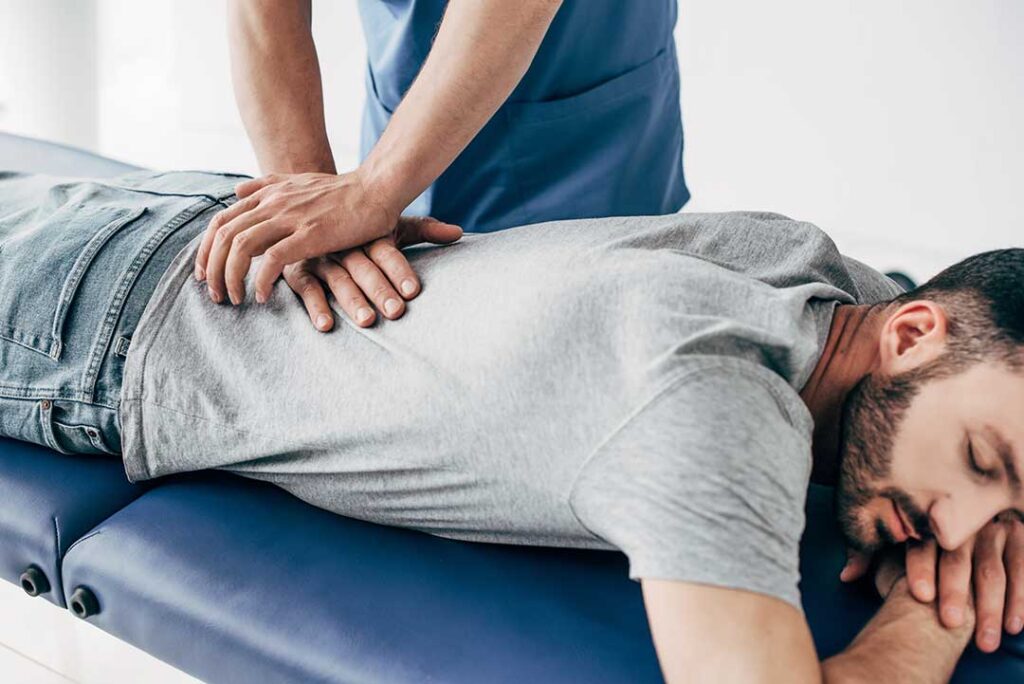
Lifting a box, laundry basket, bag of soil, or small piece of furniture may seem routine, but the way an object is lifted can place significant stress on the lower back. Safe lifting is less about “lifting with the legs” alone and more about preparing the movement, keeping the load close, avoiding twisting, and recognizing when the task is too demanding to perform alone.
For residents of Lynbrook, NY, these habits can be especially useful during seasonal home projects, storm cleanup, moving days, snow-related chores, and everyday tasks in homes with narrow hallways, stairs, or limited storage space.
What is the safest way to lift something from the floor?
The safest approach is to position the body close to the object, create a stable base, bend through the hips and knees, and rise smoothly while keeping the load near the torso.
Before lifting:
- Check the object for loose parts, slippery surfaces, or shifting contents.
- Estimate its weight by gently pushing or tipping it first.
- Clear the path to the destination.
- Decide where the object will be placed before picking it up.
- Ask for help or use equipment if the load is bulky, unstable, or too heavy to control.
Stand with the feet about shoulder-width apart, with one foot slightly ahead if that feels more stable. Move close enough that the object is not at arm’s length. Bend at the hips and knees while keeping the spine in a comfortable, neutral position. Avoid rounding deeply through the lower back.
Grip the object securely, tighten the abdominal muscles gently, and push through the feet as the hips and knees straighten. The movement should be controlled rather than sudden.
Should lifting always involve bending the knees?
Bending the knees can help, but the knees do not need to bend deeply for every task. The main goal is to share the movement between the hips, knees, and legs instead of folding forward through the waist.
For a light object near waist level, a hip hinge may be more practical. A hip hinge means moving the hips backward while keeping the back relatively stable and the object close. For an object on the floor, more knee and hip bend is usually necessary.
A common mistake is to squat down, lift correctly, and then twist while standing. That twisting motion can still strain the back. Turn the entire body by moving the feet rather than rotating the torso while holding the load.
How close should an object be held?
Keep the load close to the middle of the body, ideally between the knees and chest rather than extended in front of the arms. Holding a box even a short distance away increases the leverage against the lower back and shoulders.
If the object blocks the view of the floor, it may be too large to carry safely without assistance. Carrying a bulky item up or down stairs is particularly risky because balance, visibility, and foot placement are reduced.
For awkward objects:
- Carry one smaller item at a time instead of stacking several together.
- Use both hands when possible.
- Keep elbows near the body.
- Avoid carrying loads that shift, leak, or have sharp edges.
- Use a cart or dolly when the distance is more than a few steps.
Why is twisting while lifting dangerous?
Twisting combines rotation with compression and often occurs when the feet remain planted while the upper body turns. This is a frequent cause of sudden back pain during tasks such as placing boxes on shelves, moving furniture, unloading a vehicle, or lifting a child from the side.
To change direction, take small steps and turn the feet, hips, and shoulders together. If the destination is behind or beside you, set the load down first, reposition your body, and then move it again.
Reaching across a bed, bathtub, car seat, or countertop also increases strain. Whenever possible, walk around the object so the lift occurs directly in front of the body.
What lifting mistakes should be avoided?
Several habits increase risk even when the object does not seem particularly heavy:
- Jerking the load upward.
- Holding the breath throughout the lift.
- Bending and twisting at the same time.
- Reaching far forward or to the side.
- Carrying an object up stairs without a clear view.
- Lifting immediately after prolonged sitting without first moving around.
- Assuming a familiar object weighs the same every time.
- Continuing after sharp pain, sudden weakness, or loss of control.
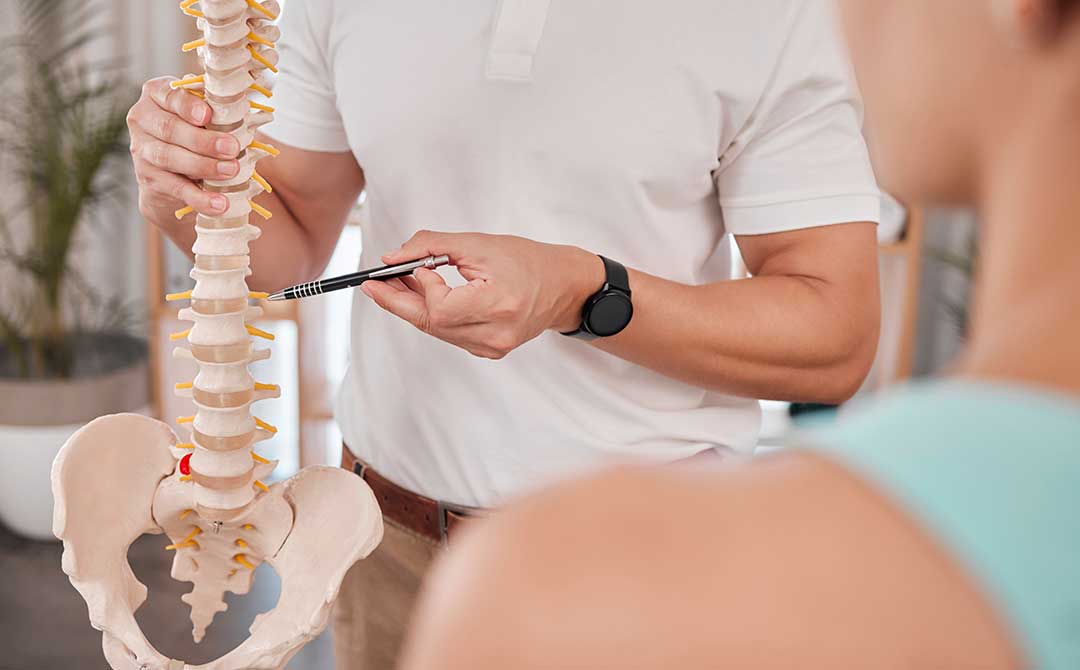
Weight alone does not determine whether a lift is safe. Distance from the body, repetition, posture, height, grip, balance, fatigue, and the condition of the floor all matter. A manageable box can become difficult after repeated lifting or when carried over a slippery surface.
How can local seasonal tasks be made safer?
Household lifting demands often increase during seasonal changes. Wet leaves, storm debris, salt containers, outdoor furniture, storage bins, and snow-related equipment may be heavier or more awkward than expected. Damp materials can also shift inside bags or containers.
Before outdoor lifting:
- Wear shoes with reliable traction.
- Avoid lifting on wet, icy, or uneven ground.
- Break large loads into smaller portions.
- Use handles rather than gripping loose material.
- Store frequently used items between knee and shoulder height.
- Take short breaks during repetitive work.
In homes with stairs or tight entryways, plan the route before lifting. Keep stair lighting adequate, remove loose rugs or objects, and avoid carrying anything that prevents safe hand placement on a railing.
Is a back belt enough to prevent lifting injuries?
A back belt should not be treated as a substitute for safe movement, appropriate load size, or assistance. A belt may create a feeling of support, but it does not make an unstable, repetitive, or excessively heavy task safe.
The more reliable strategy is to change the task itself: reduce the load, improve the grip, bring the object closer, raise the storage height, use a cart, or ask another person to help. Mechanical assistance and teamwork are often safer than relying on body mechanics alone.
What should someone do if back pain begins after lifting?
Stop the activity and avoid repeatedly testing the painful movement. Gentle everyday movement is often preferable to prolonged bed rest, but heavy lifting, forceful bending, and twisting should be avoided while symptoms are active.
Seek prompt medical evaluation for back pain accompanied by leg weakness, numbness in the groin or buttocks, loss of bladder or bowel control, difficulty walking, fever, unexplained weight loss, severe pain after a fall, or pain that is intense and does not ease. These symptoms may signal a condition requiring urgent assessment.
For less severe symptoms, note what movement caused the pain, whether it travels into a leg, and whether it is improving over the next several days. Persistent or worsening pain deserves medical guidance rather than repeated self-testing.
Safe lifting is a process that begins before the object leaves the ground. A clear path, a stable stance, a close load, controlled movement, and timely assistance can reduce unnecessary stress on the spine during household, work, and seasonal activities.
