
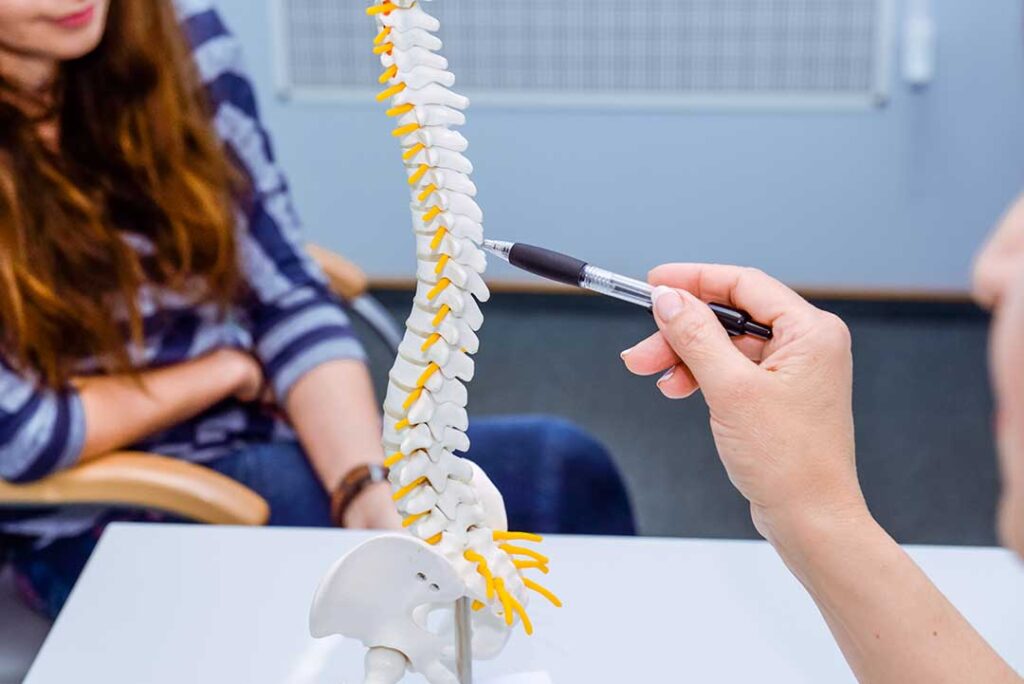
Vertigo is the sensation that the room is spinning, the body is moving, or balance is being pulled off center. Chiropractic care may help some people when dizziness is associated with neck pain or restricted movement, but it is not a universal treatment for vertigo and should not replace medical evaluation.
The cause matters. Vertigo can result from an inner-ear disorder, migraine, medication, head injury, circulation problem, or a neurological condition. A careful assessment is the first step before deciding whether any hands-on treatment is appropriate.
What does vertigo feel like?
Vertigo is different from general lightheadedness. People may describe:
- Spinning or whirling
- Feeling pulled to one side
- Loss of balance or unsteadiness
- Nausea or vomiting
- Symptoms triggered by turning the head, rolling in bed, or looking upward
- Difficulty focusing the eyes
Some people use “dizziness” to describe feeling faint, weak, foggy, or unsteady. Those symptoms can have causes unrelated to the inner ear or neck, including dehydration, low blood pressure, blood-sugar changes, heart conditions, or medication effects.
Can chiropractic care help with vertigo?
It can sometimes help when symptoms are related to the neck, but evidence is limited and applies to a specific type of dizziness rather than vertigo in general.
A condition sometimes called cervicogenic dizziness may occur alongside neck pain, stiffness, reduced neck movement, or a history of strain such as whiplash. The neck contains joints and sensory receptors that help the brain understand the body’s position. If signals from the neck do not match information from the eyes and inner ear, a person may feel off balance or dizzy.
For this pattern, treatment may include gentle neck mobility work, soft-tissue techniques, posture changes, and exercises. Some research suggests that manual therapy can reduce symptoms in carefully selected patients, particularly when neck pain and movement limitations are present. The studies are generally small, and they do not prove that spinal manipulation treats all causes of vertigo.
High-velocity neck adjustments deserve particular caution in anyone with unexplained dizziness, severe headache, unusual neurological symptoms, vascular risk factors, or recent trauma.
What if the problem is BPPV?
Benign paroxysmal positional vertigo, commonly called BPPV, is an inner-ear condition caused by tiny calcium crystals moving into a part of the balance system where they do not belong. It often causes brief spinning episodes when changing head position.
Typical triggers include:
- Rolling over in bed
- Sitting up or lying down
- Looking up or down
- Bending over
- Turning quickly
BPPV is usually treated with a canalith repositioning maneuver, such as the Epley maneuver. This is different from a general neck adjustment. The maneuver is intended to guide the displaced particles back to their proper location.
A person with neck instability, severe neck disease, recent surgery, significant vascular problems, or certain eye or neurological conditions may not be a good candidate for a particular repositioning maneuver. The diagnosis should be confirmed before attempting treatment at home or in an office.
How is neck-related dizziness distinguished from an inner-ear problem?
There is no single symptom that proves dizziness is coming from the neck. Diagnosis usually involves a detailed history and examination.
Useful questions include:
- Does the sensation last seconds, minutes, hours, or days?
- Is it triggered by head position or present continuously?
- Is there hearing loss, ringing in the ears, or ear pressure?
- Is there neck pain or limited movement?
- Did symptoms begin after a fall, collision, infection, or new medication?
- Are there headaches, visual changes, numbness, weakness, or difficulty speaking?
- Has balance worsened enough to cause falls?
Neck-related dizziness is generally considered only after more common and potentially serious causes have been considered. It is not diagnosed simply because a person has both neck pain and dizziness.
When is vertigo an emergency?
Sudden dizziness or vertigo with neurological symptoms requires emergency attention. Warning signs include:
- Facial drooping
- Weakness or numbness on one side
- Slurred speech or trouble understanding speech
- Double vision or sudden vision loss
- New inability to walk
- Severe loss of coordination
- A sudden, unusually intense headache
- Fainting, chest pain, or severe shortness of breath
- New vertigo after a head or neck injury

These symptoms can occur with stroke or another urgent condition. They should not be attributed to a “misaligned” neck without immediate medical assessment. Symptoms that disappear after a few minutes can still require urgent evaluation.
In Lynbrook, winter conditions can add a practical safety concern. Ice, wet steps, dim hallways, and crowded sidewalks may increase the risk of falling when balance is impaired. Anyone experiencing active vertigo should avoid driving, ladders, bathing without support, and walking outdoors alone until the episode is understood.
Is neck manipulation safe for someone with dizziness?
Safety depends on the cause of the dizziness, the person’s medical history, and the technique used. A sudden increase in neck pain, a new severe headache, neurological symptoms, or worsening dizziness after treatment requires prompt medical attention.
A cautious evaluation should come before any forceful neck technique, especially for people with:
- Recent trauma or whiplash
- Known blood-vessel disease
- Connective-tissue disorders
- Osteoporosis or significant arthritis
- Previous neck surgery
- Unexplained severe headaches
- Numbness, weakness, or changes in coordination
Gentler approaches, such as controlled mobility work or exercise, may be considered in appropriate cases. The goal should be to address an identified musculoskeletal problem, not to assume that every episode of vertigo originates in the spine.
What should a resident do about recurring vertigo?
Keep a brief symptom record. Note the time symptoms begin, how long they last, head positions that trigger them, associated hearing or neurological symptoms, recent illness or injury, and any new medicines.
Recurring episodes deserve medical evaluation, especially if the cause is uncertain, symptoms are worsening, hearing changes occur, or balance problems interfere with normal activities. Depending on the findings, care may involve a primary medical clinician, an ear and balance specialist, a neurologist, or a vestibular rehabilitation professional. Chiropractic care may have a supporting role when neck dysfunction is clearly part of the problem, but it should be coordinated with the broader diagnostic process.
The most reliable answer is therefore conditional: chiropractic treatment may help selected cases of neck-associated dizziness, while BPPV, inner-ear disease, migraine, medication effects, and neurological causes require different forms of care.
