
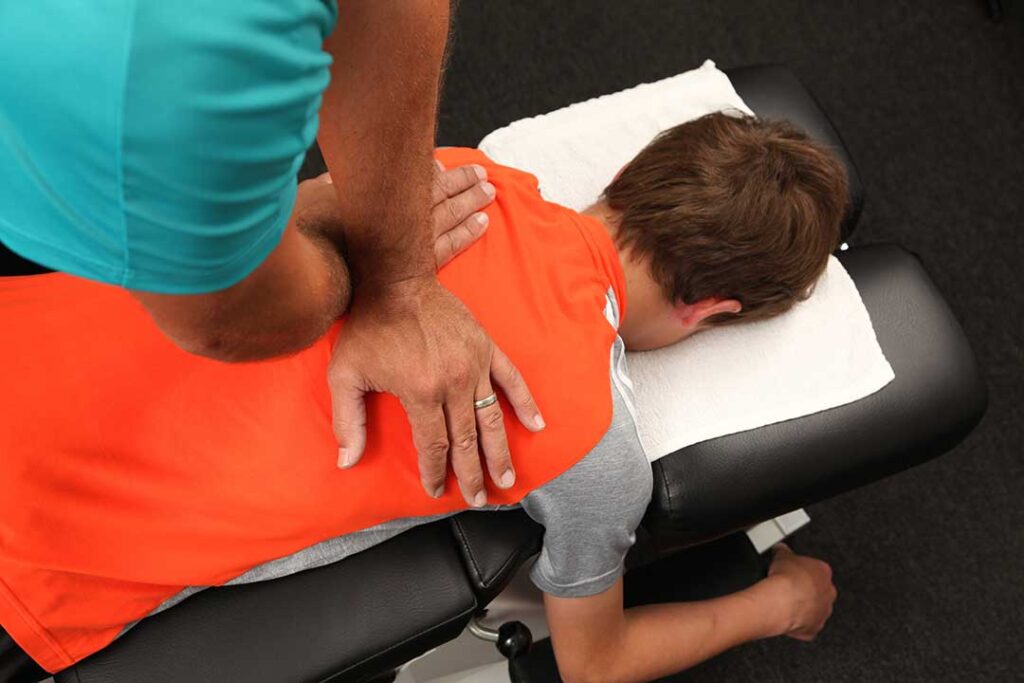
What is the main difference between chiropractic care and massage therapy?
Chiropractic care generally focuses on joints, the spine, movement patterns, and nervous-system-related musculoskeletal concerns. Massage therapy focuses primarily on muscles, fascia, circulation, relaxation, and soft-tissue tension.
The two approaches can overlap, but they are not interchangeable. A chiropractor may use joint mobilization, spinal manipulation, exercise guidance, and soft-tissue techniques. A massage therapist may use kneading, compression, stretching, myofascial techniques, or other hands-on methods directed at muscles and connective tissue.
For a resident of Lynbrook, NY dealing with back discomfort after commuting, yard work, home repairs, recreational activity, or long periods at a desk, the more appropriate option depends on the suspected source of the problem rather than on the treatment’s popularity.
How does a chiropractic visit differ from a massage session?
A chiropractic visit usually begins with a health history and physical assessment. The evaluation may include questions about pain, movement, strength, sensation, previous injuries, medications, and warning signs such as numbness or weakness. The practitioner may assess spinal or joint mobility and determine whether hands-on treatment is appropriate.
Treatment can include:
- Spinal or joint manipulation
- Gentle mobilization
- Exercise or movement recommendations
- Posture and activity guidance
- Soft-tissue work
- Advice about modifying aggravating activities
A massage session is usually organized around a person’s goals, such as reducing muscle tightness, easing stress, improving comfort after physical activity, or supporting relaxation. The therapist may ask about medical history, pressure preferences, sensitive areas, and the location or pattern of discomfort.
Massage commonly includes:
- Broad, gliding strokes
- Kneading and compression
- Focused work on tight muscles
- Stretching or movement of soft tissues
- Myofascial techniques
- Relaxation-oriented techniques
Neither approach should be defined only by whether a joint “pops” or whether a massage feels relaxing. Different practitioners use different techniques, and some treatments are gentle while others are more intensive.
Which treatment is better for back or neck pain?
Neither is automatically better for every person. Evidence suggests that both spinal manipulation and massage may provide short-term relief for some types of back pain, but results vary by diagnosis, duration, severity, and the person’s overall health.
Chiropractic care may be considered when symptoms appear related to restricted joint movement, mechanical back pain, or difficulty moving the spine. Massage may be more suitable when the dominant complaint is muscle tightness, soreness after activity, stress-related tension, or general soft-tissue discomfort.
For neck pain, the cause matters even more. Muscle strain from computer use or prolonged driving may respond differently than pain associated with nerve irritation, a significant injury, arthritis, or another medical condition. Treatment should be adjusted if symptoms include arm weakness, worsening numbness, severe headache, balance problems, fever, or pain after a major accident.
A useful distinction is that chiropractic care often emphasizes how joints and movement function, while massage emphasizes how muscles and connective tissues feel and respond. In practice, some people use one approach, the other, or a combination as part of a broader care plan.
Can massage therapy replace chiropractic care?
Massage therapy cannot replace an evaluation for symptoms that may involve nerves, joints, fractures, infection, or another condition requiring medical assessment. It may reduce muscle tension around a painful area without addressing the underlying reason the pain developed.
For example, massage may temporarily ease tight muscles after shoveling, lifting, or prolonged sitting. If pain continues, repeatedly returns, radiates into an arm or leg, or is accompanied by tingling or weakness, massage alone may not be enough to determine the cause.
The reverse is also true: chiropractic treatment is not a substitute for massage when the primary goal is relaxation, stress reduction, or relief of widespread muscle tension. A spinal adjustment does not necessarily address every tight muscle, and more treatment is not always better treatment.
Are chiropractic adjustments safe?
Spinal manipulation is generally considered low risk for many adults when appropriately selected and performed, but it is not risk-free. Temporary soreness, stiffness, or a mild increase in symptoms can occur. Serious complications are uncommon, but certain techniques may not be appropriate for people with specific health conditions.
Extra caution is warranted with a history of:
- Recent significant trauma
- Fracture or severe osteoporosis
- Cancer affecting bone
- Serious inflammatory disease
- Progressive neurological symptoms
- Severe or unusual headache
- Blood-clotting problems or use of blood-thinning medication
- Signs of infection

Neck manipulation deserves careful discussion because the neck contains important blood vessels and nerves. A person should describe all symptoms clearly and should not withhold information about dizziness, vision changes, weakness, or unusual headaches.
Are there risks with massage therapy?
Massage is usually well tolerated, but vigorous pressure can cause soreness, bruising, or irritation. Certain conditions require postponing massage, changing the technique, or obtaining medical guidance first.
Examples include recent surgery, an open wound, a suspected fracture, severe osteoporosis, active skin infection, a recent blood clot, uncontrolled bleeding risk, or significant swelling with an uncertain cause. People taking blood-thinning medication should mention it before treatment because deep pressure may increase bruising risk.
Massage should also be modified during pregnancy, after an injury, or when pain is sharp, unexplained, or associated with neurological symptoms. A relaxing treatment should not be used to mask symptoms that are becoming more severe.
Can chiropractic care and massage therapy be used together?
They can sometimes complement each other, especially when joint stiffness and muscle tension occur together. A person might use movement-based care to address mobility while using massage to reduce soft-tissue tightness. Exercise, sleep, gradual activity, and appropriate medical evaluation may be equally important.
Combining treatments does not guarantee better results. If symptoms worsen after one method, that response should be considered when deciding whether to continue, change the intensity, or pause treatment. Clear communication among involved healthcare providers can reduce duplication and help identify what is actually helping.
How should a resident decide between the two?
Start by identifying the main goal:
- Muscle tightness, stress, or post-activity soreness: Massage may be a reasonable option if no warning signs are present.
- Restricted movement or recurring mechanical back discomfort: An assessment focused on joints and movement may be useful.
- Numbness, weakness, severe pain, or symptoms after trauma: Medical evaluation should come before massage or spinal manipulation.
- A desire for relaxation: Massage is generally more directly aligned with that goal.
- Unclear or persistent symptoms: A primary care clinician or other qualified healthcare provider can help determine the next step.
Local seasonal habits can influence symptoms. Winter walking on slippery surfaces, prolonged indoor sitting, spring cleanup, gardening, and home maintenance can all place sudden demands on the back, shoulders, and hips. Gradual activity, proper lifting, regular movement breaks, and attention to symptoms can help prevent a short-lived strain from becoming a recurring problem.
The most useful question is not which profession is superior. It is whether the proposed treatment matches the likely source of discomfort, the person’s health history, and the specific goal of care.
