

Chiropractic Care and Its Role in Pain Management
For residents of Lynbrook, NY, pain may develop from many ordinary activities: commuting, desk work, lifting children, home repairs, recreational exercise, or long periods of sitting. Chiropractic care is one non-surgical approach that may help some people manage musculoskeletal pain, particularly back and neck discomfort.
It is not a universal treatment, and it should not replace medical evaluation when pain may be caused by infection, fracture, nerve damage, or another serious condition. The most appropriate role of chiropractic care depends on the cause, duration, severity, and pattern of symptoms.
What does chiropractic care involve?
Chiropractic care commonly includes a physical examination, discussion of symptoms, movement assessment, and hands-on treatment directed at the joints and soft tissues. Spinal manipulation, sometimes called an adjustment, uses a controlled force to move a joint through a specific range of motion.
Treatment may also include:
- Gentle mobilization rather than a rapid thrust
- Stretching and flexibility exercises
- Strengthening for the abdomen, hips, shoulders, or upper back
- Advice about lifting, posture, sleep positions, and activity
- Soft-tissue techniques
- A plan for gradually returning to normal movement
A careful evaluation should focus on function as well as pain. For example, difficulty walking, turning the head, getting dressed, or remaining seated may be more useful for tracking progress than pain intensity alone.
Which types of pain may respond to chiropractic care?
The strongest practical use of chiropractic treatment is generally for some forms of mechanical or musculoskeletal pain. This includes discomfort influenced by movement, muscle tension, joint stiffness, or changes in activity.
Potential examples include:
- Nonspecific low-back pain
- Mild to moderate neck pain
- Stiffness after prolonged sitting or repetitive work
- Certain activity-related muscle and joint problems
- Some headaches associated with neck tension
Research suggests that spinal manipulation can provide modest relief for some people with acute, subacute, or chronic low-back pain. Benefits may be similar to those of other conservative approaches, such as exercise or physical therapy, rather than clearly superior to them.
Results vary. Some people notice improved movement after a small number of treatments, while others may need a broader plan involving exercise, rest from aggravating activities, and medical evaluation. Persistent pain is not automatically evidence that more manipulation is needed.
Can chiropractic care help with chronic pain?
Chronic pain lasts longer than the expected healing period, often three months or more. Chiropractic care may be one part of a long-term management plan, but the goal should be improved function and quality of life rather than eliminating every sensation of pain.
For chronic symptoms, useful care often emphasizes:
- Gradual strengthening and conditioning
- Regular movement instead of prolonged bed rest
- Better tolerance for work, household tasks, and recreation
- Identification of activities that repeatedly trigger flare-ups
- Coordination with other health professionals when needed
Pain can be affected by sleep, stress, mood, physical deconditioning, and fear of movement. A plan that addresses only spinal joints may overlook these contributing factors. Exercise-based rehabilitation, education, and pacing are often important parts of sustainable pain management.
Is treatment appropriate for neck pain?
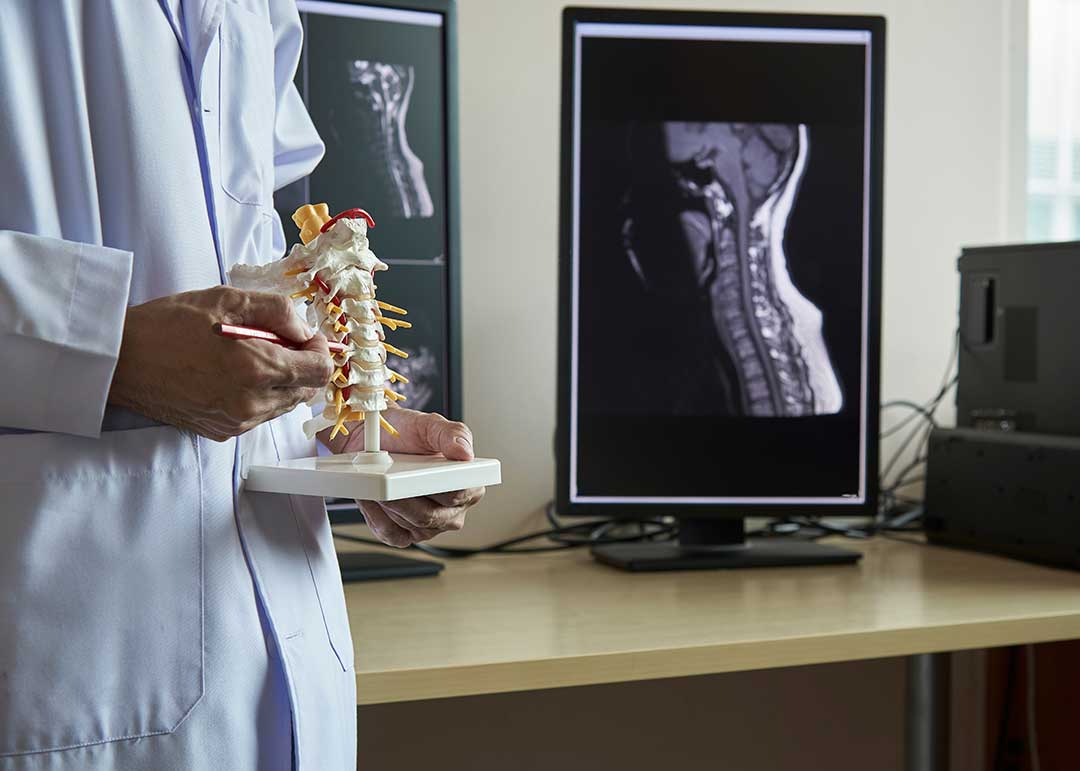
Neck treatment requires particular care because the neck contains important nerves and blood vessels. Gentle techniques, exercise, and mobility work may be reasonable for some neck pain, but forceful or rapid neck manipulation is not appropriate for everyone.
People should explain any history of:
- Recent falls, collisions, or other injuries
- Osteoporosis or known bone weakness
- Blood-clotting problems
- Recent surgery
- Neurological symptoms
- Severe or unusual headaches
- Use of blood-thinning medication
Sudden severe neck pain or headache, facial drooping, trouble speaking, weakness, numbness, loss of balance, or vision changes requires urgent medical attention rather than routine manual treatment.
What are the risks and side effects?
Mild soreness, temporary discomfort, stiffness, or a short-term increase in symptoms can occur after spinal manipulation. These effects often resolve quickly, but they should still be reported if they are severe or persistent.
Serious complications are uncommon, but risk depends on the body region, technique, health history, and underlying condition. Neck manipulation deserves special caution because rare but serious vascular events have been reported after cervical manipulation, although the exact relationship is difficult to determine in individual cases.
A treatment plan should be modified or stopped if symptoms progressively worsen, new neurological problems develop, or everyday function declines.
When should pain be evaluated medically first?
Some symptoms suggest that pain may not be a routine muscle or joint problem. Prompt medical assessment is appropriate for:
- Loss of bladder or bowel control
- Numbness around the inner thighs or groin
- New or worsening weakness in an arm or leg
- Fever, unexplained weight loss, or feeling seriously ill
- Significant pain after a fall or collision
- Severe pain that does not change with position or movement
- A history of cancer, serious infection, or major bone disease
- Chest pain, shortness of breath, or abdominal symptoms
These warning signs do not identify a specific diagnosis, but they can indicate the need for urgent testing or a different type of care.
How can local conditions affect pain?
Seasonal conditions in the area can influence daily movement. Cold weather may encourage people to remain indoors and sit for longer periods, while snow or icy conditions can increase the risk of slips, sudden twisting, and falls. Summer home projects, gardening, recreational activity, and commuting routines can also create temporary strains when activity increases abruptly.
Practical prevention includes warming up before demanding tasks, dividing heavy loads, using both hands when carrying, keeping frequently used items within easy reach, and taking movement breaks during long periods of sitting. Footwear with good traction is especially useful during icy conditions.
What should a reasonable treatment plan look like?
A sound plan should begin with a working explanation for the pain and a way to measure progress. It should also include realistic expectations. Chiropractic care may help reduce symptoms and improve movement, but it cannot correct every cause of pain or guarantee permanent relief.
Useful questions include:
- What is the likely source of the pain?
- What changes should occur, and over what time period?
- Which exercises or activities support recovery?
- What symptoms would require a different evaluation?
- How will progress be measured?
- Is imaging necessary, or would it change treatment?
For many musculoskeletal conditions, the most effective approach is active rather than passive. Hands-on care may provide short-term relief, while strength, mobility, sleep, safe activity, and gradual return to normal routines help support longer-term function.
