
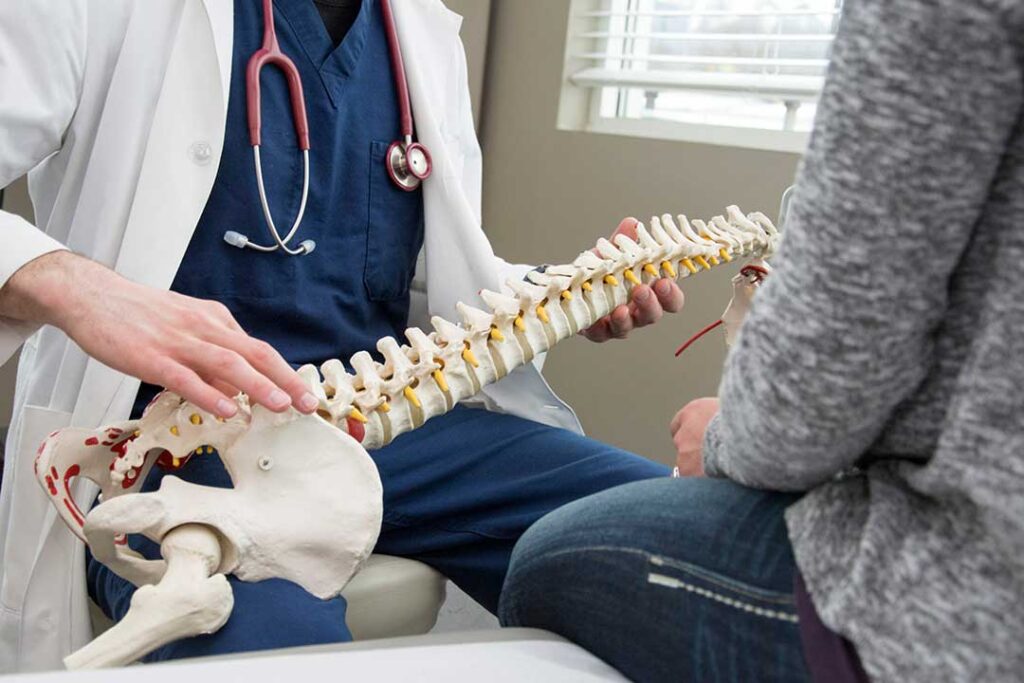
Can chiropractic care prevent sports injuries?
Chiropractic care may support sports injury prevention, but it does not make an athlete injury-proof. Its most useful role is usually as one part of a broader plan that includes strength training, mobility work, proper technique, conditioning, recovery, and timely treatment of pain.
For residents in Lynbrook, NY, this may apply to many types of activity: school sports, recreational leagues, running, cycling, strength training, tennis, swimming, and exercise at home. The goal is not simply to “realign” the body. A responsible preventive approach looks at how joints, muscles, balance, movement habits, workload, and recovery interact.
What does a chiropractor evaluate before an injury occurs?
A sports-focused evaluation commonly examines movement quality and physical limitations that may increase strain during activity. Depending on the sport and the person’s symptoms, this may include:
- Spinal and joint mobility
- Muscle tightness or weakness
- Balance and coordination
- Hip, knee, ankle, shoulder, or foot mechanics
- Posture during sport-specific movements
- Changes in training volume or intensity
- Previous injuries and incomplete rehabilitation
For example, a runner with limited ankle mobility may compensate through the knee or hip. A tennis player with restricted upper-back rotation may place more stress on the shoulder. A basketball player with poor landing control may be more vulnerable to knee or ankle problems.
These findings do not prove that an injury will occur. They can, however, identify areas that may deserve attention before an athlete increases training or competition demands.
How might chiropractic treatment help?
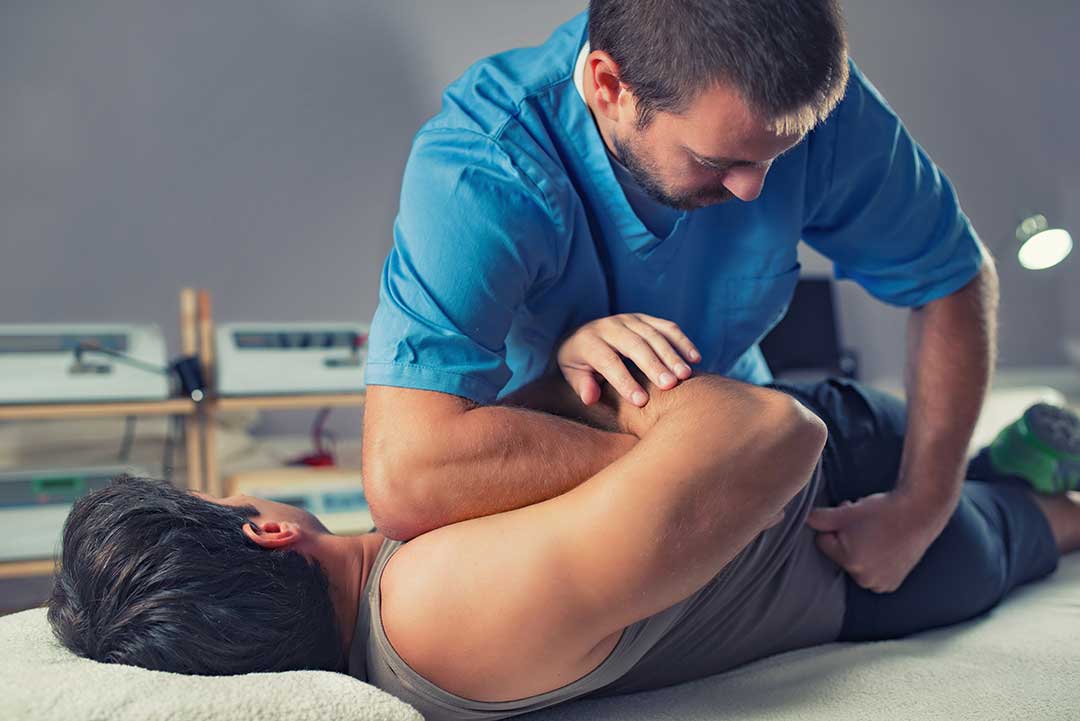
Chiropractic treatment may help some people move more comfortably by addressing joint stiffness, muscle tension, or pain involving the back and other parts of the musculoskeletal system. Techniques can include manual therapy, joint mobilization, spinal manipulation, soft-tissue work, and exercise instruction.
The potential preventive value is indirect. If discomfort or stiffness changes the way a person runs, lifts, lands, or swings, improving comfort and movement may help the athlete use safer mechanics. Chiropractic care may also help someone return gradually to normal activity after a minor musculoskeletal problem.
Evidence is stronger for short-term relief and improved function in some types of back pain than for preventing sports injuries specifically. There is not enough evidence to claim that routine spinal adjustments alone prevent sprains, strains, concussions, ligament injuries, or overuse conditions.
A sound plan should therefore connect treatment to a measurable activity goal, such as improving a squat pattern, restoring shoulder motion, or tolerating a gradual return to running.
What prevents sports injuries more reliably?
Injury prevention works best when several basic factors are addressed together. Regular strength and conditioning are especially important because muscles and connective tissues need to tolerate the forces created by sport.
Useful elements include:
- A gradual increase in training volume and intensity
- Strengthening the hips, legs, trunk, shoulders, or other sport-specific areas
- Balance and coordination drills
- Practice of landing, cutting, lifting, throwing, or changing direction
- A warm-up that raises body temperature and rehearses sport movements
- Adequate sleep, hydration, and nutrition
- Rest days or lower-intensity sessions
- Properly fitted protective equipment when the activity requires it
Flexibility can be helpful when a specific restriction affects movement, but stretching by itself does not replace strength or technique training. In the same way, an adjustment cannot compensate for repeated overtraining, poor sleep, unsafe playing conditions, or ignoring pain.
Does chiropractic care replace physical therapy or sports medicine?
No. Different health professionals may contribute different skills. Physical therapy often emphasizes progressive rehabilitation, strength, balance, endurance, and return-to-sport testing. Sports medicine physicians can evaluate more complex injuries, order imaging when appropriate, and manage conditions that require medical treatment. Athletic trainers may help with injury prevention, sideline assessment, and rehabilitation planning.
Chiropractic care may fit alongside these services when the primary issue involves musculoskeletal pain, stiffness, or movement limitations. Coordination is particularly important when an athlete has a significant injury, recurring symptoms, or a condition that has not improved as expected.
A person should not use spinal manipulation to delay evaluation of a suspected fracture, torn ligament, serious nerve problem, infection, or internal medical condition.
When should an athlete avoid self-treatment?
Certain symptoms require prompt medical assessment rather than continued training or routine manual care. Warning signs include:
- Severe pain after a collision, fall, or awkward landing
- Inability to bear weight or use an arm normally
- Visible deformity or rapidly increasing swelling
- Numbness, significant weakness, or loss of coordination
- Repeated joint locking or giving way
- Chest pain, fainting, or unusual shortness of breath during exercise
- A head injury followed by worsening headache, vomiting, confusion, unusual drowsiness, or behavior changes
- Back or neck pain accompanied by progressive weakness or changes in bladder or bowel control
Neck manipulation deserves particular caution. A thorough history and examination should come first, and treatment should be avoided when a serious vascular, neurological, or structural problem is suspected. Mild soreness or temporary stiffness can occur after manual treatment, but severe or unusual symptoms should not be dismissed.
How can local conditions affect injury prevention?
Seasonal habits can influence sports injury risk. In Lynbrook, outdoor activity may shift substantially between cold-weather months and warmer seasons. Someone who becomes less active during winter and then resumes running, field sports, or recreational games at the same previous intensity may overload muscles and joints.
A better approach is to rebuild gradually. Shorter sessions, longer warm-ups, and basic strength work can help bridge the gap between inactivity and full participation. Wet pavement, uneven sidewalks, poor lighting, and crowded recreational spaces also call for greater attention to footwear, visibility, and route selection.
At home, limited space can encourage sudden changes in exercise routines. Jumping, sprint drills, or heavy lifting should be introduced with enough room, stable footing, and a clear progression.
What should residents ask before receiving preventive care?
Useful questions include:
- What specific movement or functional problem is being addressed?
- How will progress be measured?
- What exercises or activity changes are part of the plan?
- What symptoms would require medical evaluation?
- Is communication with a physician, physical therapist, athletic trainer, or coach needed?
- How often should treatment be reassessed?
The most credible approach is individualized and conservative. It explains uncertainty, uses exercise and movement training rather than relying only on passive treatment, and changes course when symptoms or performance do not improve.
For most athletes, preventing injury is less about finding a single treatment and more about building capacity gradually, responding early to warning signs, and maintaining the strength and movement control required by the sport.
