
Sciatica can cause sharp, burning, or electric-like pain that travels from the lower back or buttock into the thigh, calf, or foot. Natural care may ease symptoms for many people, but persistent or severe pain deserves proper evaluation because sciatica is a symptom of nerve irritation rather than a diagnosis by itself.
What does sciatica feel like?
Sciatica usually affects one side of the body and follows part of the sciatic nerve. Symptoms may include:
- Pain that travels from the low back or buttock down the leg
- Tingling, pins-and-needles, or burning
- Numbness in the thigh, calf, foot, or toes
- Leg weakness or difficulty walking normally
- Increased discomfort after prolonged sitting, coughing, sneezing, or bending
A strained muscle, hip problem, sacroiliac joint irritation, or another condition can sometimes feel similar. Pain that remains limited to the lower back without leg symptoms may not be sciatica.
Can gentle movement help sciatica?
Yes. Short periods of gentle movement are generally more helpful than extended bed rest. Walking for a few minutes at a comfortable pace can reduce stiffness and prevent the back and hips from becoming more guarded.
During a painful flare, alternate between activity and brief rest. For example, a person might walk around the home for several minutes, change positions, and then sit or lie down briefly before moving again. Avoid movements that sharply increase leg pain, numbness, or weakness.
Helpful options may include:
- Easy walking on level ground
- Gentle pelvic tilts while lying on the back
- Slow knee-to-chest movements, only if comfortable
- Mild hamstring or hip stretching without bouncing
- Controlled core exercises after the acute pain settles
There is no single exercise that works for every cause of sciatica. If a movement sends pain farther down the leg or increases tingling, stop it rather than trying to push through.
Should heat or ice be used?
Both cold and warmth may help, depending on the person and stage of symptoms. Cold can be soothing during the first day or two after a sudden flare, particularly when the area feels inflamed. Heat may relax muscle tension and make movement easier after the initial irritation has settled.
Use a cloth barrier between the skin and the cold pack or heating pad. Apply either option for about 15 to 20 minutes, then give the skin time to return to its normal temperature. Do not sleep with a heating pad in place, and avoid heat or cold over areas with reduced sensation.
In colder months, residents may spend more time sitting indoors or may strain the back while clearing snow and ice. Warming up before outdoor work, using smaller loads, and avoiding twisting while lifting can reduce additional irritation.
How can sitting and sleeping positions be adjusted?
Long, uninterrupted sitting can aggravate nerve-related pain. A supportive chair, frequent position changes, and brief standing or walking breaks may be more useful than trying to find one perfect posture.
Consider these adjustments:
- Keep both feet supported rather than crossing the legs for long periods.
- Place a small cushion behind the lower back if the chair feels flat.
- Avoid sinking deeply into soft couches.
- During driving or desk work, change position at least every 30 to 45 minutes.
- Sleep on the side with a pillow between the knees, or on the back with a pillow under the knees.
The goal is comfort and variety, not rigid posture. A position that feels helpful for one person may worsen symptoms for another.

Do over-the-counter medicines count as natural relief?
Over-the-counter medicines are not natural remedies, but they are often considered alongside home care. Anti-inflammatory medicines such as ibuprofen or naproxen may not be safe for people with kidney disease, stomach ulcers, certain heart conditions, blood-thinning medication use, or other medical concerns. Acetaminophen has different risks and does not reduce inflammation.
A pharmacist or medical clinician can help determine whether a medicine is appropriate, especially for older adults, pregnant individuals, and anyone taking several medications. Do not combine products that contain the same active ingredient.
Creams, supplements, and herbal products are not automatically safer because they are labeled “natural.” Evidence varies, and some supplements can interact with prescription medicines or affect bleeding, blood pressure, or liver function.
Can massage, stretching, or chiropractic care help?
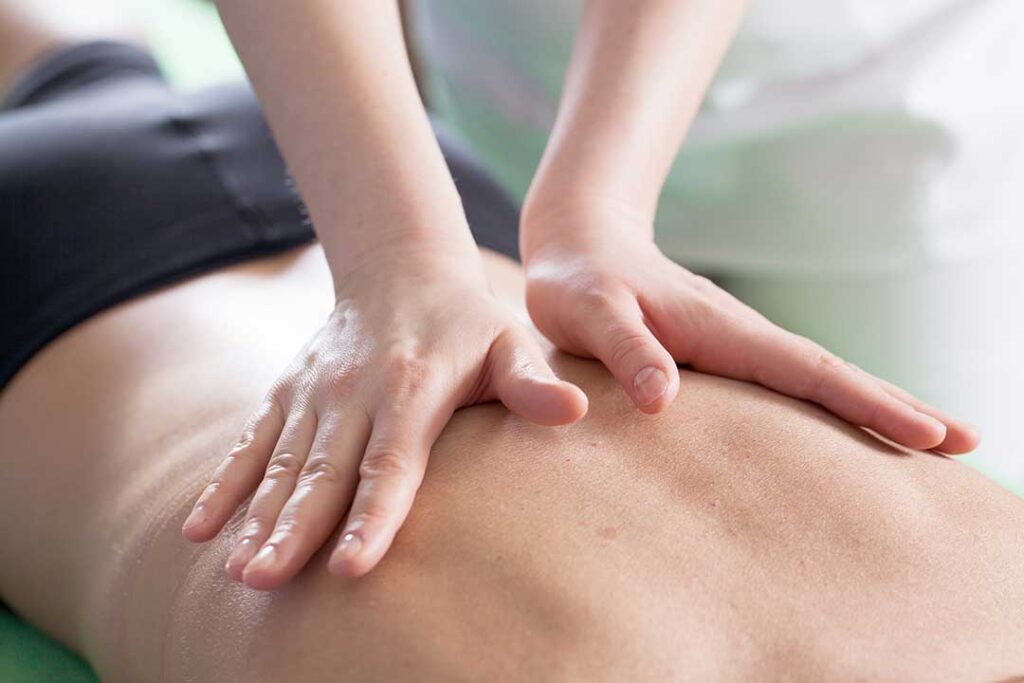
Gentle massage may temporarily reduce muscle tightness around the lower back, buttocks, and hips. It should not involve forceful pressure directly over areas that are numb, swollen, bruised, or sharply painful.
Stretching can be useful when tight muscles contribute to discomfort, but aggressive stretching may worsen nerve irritation. A gradual approach is safer than trying to force the leg into a deep stretch.
Spinal manipulation or other hands-on care may help some people with certain types of low-back-related leg pain, but it is not appropriate for every cause of sciatica. A careful history and physical assessment should come first, particularly when symptoms include weakness, significant numbness, recent trauma, fever, or unexplained weight loss.
When should sciatica be checked promptly?
Seek urgent medical attention for:
- New loss of bladder or bowel control
- Numbness around the inner thighs, groin, or saddle area
- Severe or rapidly worsening weakness in the leg or foot
- Inability to walk safely
- Back pain with fever, serious illness, or a recent major fall
- Severe pain following a significant injury
A medical evaluation is also appropriate when pain lasts more than a few weeks, repeatedly returns, disrupts sleep, or interferes with work and ordinary activities. Persistent nerve compression can sometimes lead to lasting weakness or numbness, so worsening neurological symptoms should not be managed with home remedies alone.
What is a reasonable home-care plan?
For mild symptoms without warning signs, a practical plan may look like this:
1. Reduce heavy lifting, deep bending, and twisting for several days.
2. Continue light movement instead of staying in bed.
3. Use heat or cold for short periods based on which feels better.
4. Break up sitting with regular standing and walking.
5. Resume normal activities gradually as symptoms improve.
6. Track changes in pain, numbness, walking ability, and strength.
Natural remedies can support recovery, but they cannot identify the cause of nerve pain. In Lynbrook, NY, everyday factors such as indoor winter inactivity, household lifting, commuting, and prolonged desk or vehicle sitting may contribute to flare-ups. Small changes in movement and positioning can help, while red-flag symptoms require timely medical care.
