

What is the Graston Technique?
The Graston Technique is a form of instrument-assisted soft-tissue mobilization, often abbreviated as IASTM. It uses smooth, specially shaped tools to examine and treat areas of muscle, tendon, ligament, or connective tissue that may feel tight, sensitive, or restricted.
In chiropractic care, the technique is usually considered one part of a broader plan rather than a complete treatment by itself. It may be combined with movement assessment, therapeutic exercise, joint mobilization, stretching, or advice about activity and posture.
The tools do not “scrape out” scar tissue or physically break up adhesions in the simple mechanical sense. A more accurate description is that controlled pressure and movement may stimulate the tissues and nervous system, temporarily change sensitivity, and make movement more comfortable. The exact biological effects are still being studied.
How is the treatment performed?
A typical session begins with an examination of the painful or restricted area. The practitioner may compare movement on both sides, feel for changes in tissue texture, and ask which activities increase symptoms.
A small amount of lotion or treatment cream is commonly applied so the instrument can glide over the skin. The tool is then moved in several directions with light to moderate pressure. Treatment may be directed along a muscle, across a tendon, or around an area affected by an old injury.
Some people notice a mild pulling, warmth, or pressure. Others experience temporary tenderness. The treatment should not feel sharply painful, burning, or intolerable. Communication matters because excessive pressure can irritate already sensitive tissue.
Afterward, the area may appear pink or mildly bruised. These changes generally fade within a few days, although the response varies with skin sensitivity, the amount of pressure used, medication, health conditions, and the area treated.
What conditions may be treated with it?
IASTM techniques may be considered for selected musculoskeletal problems involving soft tissue. Examples can include:
- Persistent muscle tightness
- Tendon irritation or tendinopathy
- Limited range of motion
- Some repetitive-use injuries
- Recovery from certain strains or sprains
- Scar-related restrictions after healing
- Localized discomfort associated with altered movement patterns
For a resident dealing with stiffness after shoveling, home repairs, recreational activity, or prolonged sitting, soft-tissue treatment may be discussed as part of an evaluation. Seasonal routines can also influence symptoms. Cold weather may lead some people to spend more time indoors, sit longer, or begin outdoor activities abruptly when conditions change.
The technique is not appropriate for every source of pain. Symptoms caused by a fracture, infection, nerve compression, significant joint disease, vascular problems, or internal medical conditions require a different type of assessment.
Does Graston Technique break up scar tissue?
Not literally in the way the phrase often suggests. Connective tissue is complex, and scar tissue cannot simply be scraped away with a metal or polymer instrument.
Treatment may help some people move an area more comfortably by influencing pain sensitivity, muscle tone, circulation near the skin, or tolerance to movement. If a scar or tendon has become less flexible after healing, gradual loading and mobility work may be useful. The instrument may support that process, but it is not a substitute for progressive exercise or time-dependent tissue healing.
Claims that the technique permanently removes adhesions, detoxifies the body, or guarantees faster recovery go beyond what current evidence can support.
What does research say about its effectiveness?
Research on IASTM has found possible short-term improvements in range of motion, pain, and function for some musculoskeletal conditions. However, study quality and treatment methods vary considerably. The evidence does not establish that Graston Technique is superior to other forms of hands-on care or exercise.
Benefits may also come from factors that accompany treatment, such as temporary nervous-system desensitization, increased attention to the painful area, improved confidence with movement, or the exercise program used afterward.
For that reason, the most reasonable view is that instrument-assisted treatment can be a useful adjunct for selected patients, but it should not be presented as a stand-alone cure. A plan that includes appropriate activity, strengthening, mobility work, sleep, and gradual return to normal tasks is usually more meaningful than passive treatment alone.
Is bruising normal?
Mild redness or tenderness can occur, but significant bruising is not required for the technique to work. Dark bruising, severe soreness, increasing swelling, numbness, or symptoms that continue worsening should not be dismissed as evidence of an effective treatment.
People who bruise easily may react more strongly. Those taking blood-thinning medication, including prescribed anticoagulants or antiplatelet drugs, should disclose that information before treatment. Medication changes should never be made solely to receive soft-tissue therapy.
Who should avoid or postpone treatment?
A careful health history is necessary before IASTM. Treatment may need to be avoided, modified, or postponed in situations such as:
- An open wound, active skin infection, or unexplained rash
- A recent fracture or acute traumatic injury
- Significant swelling or uncontrolled inflammation
- Suspected blood clot or serious circulation problem
- Bleeding disorders or unusually easy bruising
- Use of anticoagulant medication
- Known cancer in the area being treated
- Fever or systemic illness
- Severe loss of sensation
- Recent surgery unless the treating surgical team has allowed appropriate care
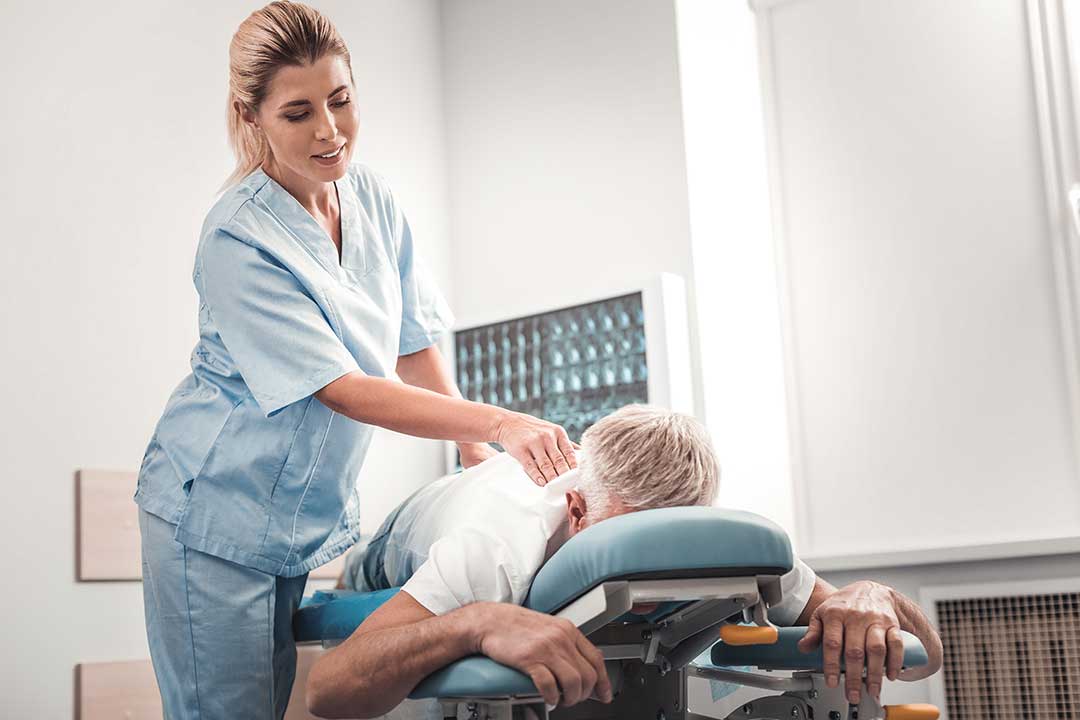
Pregnancy does not automatically rule out every form of soft-tissue treatment, but positioning, pressure, symptoms, and medical history must be considered individually.
A person with calf swelling, warmth, redness, and unexplained pain should not receive instrument-assisted treatment as a first response. Those symptoms can require urgent medical evaluation.
What should someone expect after treatment?
Most people can return to ordinary activity if symptoms remain mild, but the treated area may feel tender for a day or two. Water, normal light movement, and avoiding unusually strenuous activity immediately afterward may be sensible.
The more important question is whether function improves over time. Can the person walk, climb stairs, turn the neck, lift an object, or participate in normal activities more comfortably? If not, the treatment plan should be reassessed rather than repeated automatically.
It is also useful to ask what active steps should follow treatment. Examples may include a home mobility routine, progressive strengthening, work-station adjustments, or temporary changes in exercise volume.
Questions to ask before receiving Graston Technique
Before treatment, a patient can reasonably ask:
- What condition is being treated?
- What are the expected benefits and possible side effects?
- Are there alternatives, such as exercise or manual therapy?
- How will progress be measured?
- What should be done at home afterward?
- Which symptoms would mean treatment should stop?
- Does any medication or medical condition change the safety considerations?
For local residents seeking care for pain or stiffness, the central issue is not whether an instrument is used. The more useful question is whether the overall plan is based on a clear evaluation, realistic goals, appropriate precautions, and gradual improvement in everyday function.
