
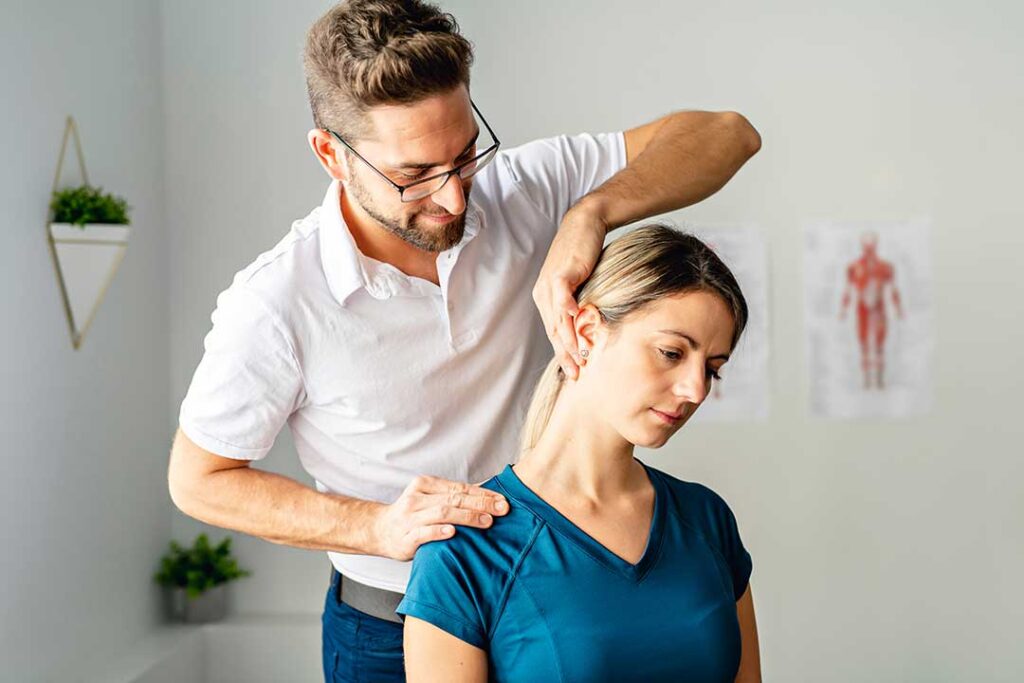
Aging well is less about avoiding every ache and more about preserving mobility, strength, balance, and confidence. Chiropractic care may support some adults as part of a broader plan for healthy aging, particularly when discomfort or stiffness makes everyday movement harder.
Chiropractic care does not reverse aging or treat every health problem. Its most useful role is usually supportive: helping some people manage certain muscle and joint problems so they can remain active and participate in exercise, household tasks, and community life.
What does healthy aging involve?
Healthy aging means maintaining the ability to do meaningful daily activities as the years progress. That includes walking comfortably, getting up from a chair, carrying groceries, climbing steps, sleeping adequately, and participating in social or recreational activities.
Several factors influence these abilities:
- Muscle strength and endurance
- Joint mobility
- Balance and coordination
- Bone health
- Vision, hearing, and reaction time
- Cardiovascular fitness
- Medication effects and chronic health conditions
- Home and outdoor safety
Pain can interfere with many of these areas. Someone with persistent low back discomfort may walk less, lose strength, become more cautious, and gradually avoid activities that once supported independence. Addressing pain early and safely may help prevent that cycle.
How might chiropractic care support older adults?
Chiropractic care commonly focuses on the muscles, joints, and movement patterns involved in back pain, neck pain, hip discomfort, and other musculoskeletal concerns. Depending on the person’s condition, care may include gentle joint mobilization, soft-tissue techniques, movement education, and recommendations for exercises or activity modifications.
Potential benefits may include:
- Improved comfort during walking, standing, or household activities
- Better short-term joint movement
- Greater confidence with ordinary movements
- Guidance on posture, lifting, and body mechanics
- Support for returning gradually to physical activity
The goal should be functional improvement rather than simply pursuing a particular treatment technique. For example, progress might mean being able to stand long enough to prepare a meal, walk around the neighborhood, or get dressed without excessive discomfort.
Results vary. Chiropractic treatment may help some types of mechanical back or joint pain, but it is not a substitute for medical evaluation when symptoms suggest infection, fracture, nerve compression, cancer, or another serious condition.
Can chiropractic care improve balance or prevent falls?
Chiropractic care alone should not be viewed as a fall-prevention program. Balance depends on leg strength, vision, inner-ear function, sensation in the feet, reaction time, medications, and the safety of the surrounding environment.
A movement-focused plan may still contribute indirectly if pain or stiffness is limiting normal walking. Someone who can move more comfortably may be better able to participate in strength and balance exercises. Those exercises are central to fall prevention.
Older adults generally benefit from a combination of:
- Moderate aerobic activity, such as walking
- Muscle-strengthening exercises
- Balance activities, such as supported heel-to-toe walking or standing exercises
- Flexibility and range-of-motion work
Any balance exercise should be performed near a sturdy surface or with another person available when unsteadiness is a concern. A recent fall, repeated near-falls, dizziness, or sudden changes in walking deserves medical assessment rather than self-directed treatment alone.
Is spinal manipulation appropriate for every older adult?
No. Age by itself does not automatically rule out chiropractic care, but older adults may have health factors that require more careful screening.
These may include osteoporosis, recent fractures, inflammatory arthritis, blood-clotting problems, cancer, advanced spinal degeneration, recent surgery, infection, or use of medications that affect bleeding or bone strength. A thorough health history should include current medications, previous injuries, surgeries, diagnoses, and changes in symptoms.
Some people experience temporary soreness, stiffness, headache, or increased discomfort after spinal manipulation or mobilization. Serious complications are uncommon but can occur, and risk may be higher when underlying medical conditions are present. Neck manipulation deserves particular caution, especially when symptoms are unusual or rapidly changing.
Treatment should be modified, postponed, or avoided when the person’s health history indicates that the risks may outweigh the likely benefit. Gentle approaches are not automatically risk-free, so informed decision-making remains important.
What symptoms should not be treated as ordinary aging?
Persistent or worsening pain should not simply be attributed to getting older. Prompt medical evaluation is especially important for:
- New weakness, numbness, or loss of coordination
- Loss of bladder or bowel control
- Severe pain after a fall or other injury
- Fever, unexplained weight loss, or unusual fatigue
- Pain that is constant, severe, or worse at night
- New dizziness, fainting, confusion, or difficulty speaking
- Sudden severe headache or neck pain
- Chest pain, shortness of breath, or pain spreading into the arm or jaw

These symptoms may require urgent medical attention. A musculoskeletal treatment plan should begin only after serious causes have been considered.
How can local conditions affect healthy aging?
Residents in Lynbrook may encounter practical movement challenges throughout the year. Cold temperatures can make muscles feel stiff, while snow, ice, wet leaves, and uneven walking surfaces can increase fall risk. Older homes may also include narrow stairways, area rugs, low lighting, or bathrooms without adequate support.
Helpful habits include:
- Wearing stable, well-fitting footwear outdoors
- Keeping walkways clear and well lit
- Using handrails on stairs
- Removing loose rugs or securing them properly
- Allowing extra time on slippery surfaces
- Keeping frequently used items within easy reach
- Warming up before outdoor activity in colder weather
Indoor movement matters as well. Walking through the home, practicing repeated sit-to-stand movements from a sturdy chair, and performing approved strengthening exercises can help reduce the effects of prolonged sitting.
What should a realistic care plan include?
A useful plan for healthy aging should connect symptom relief with daily function. It may include an evaluation of movement, a gradual activity program, home-safety changes, and coordination with a primary care clinician, physical therapist, pharmacist, or other health professional when appropriate.
Questions worth asking include:
- What is the likely cause of the pain or stiffness?
- What activities are safe right now?
- Which movements should be limited temporarily?
- How will improvement be measured?
- Are medications, vision changes, footwear, or home hazards affecting balance?
- What symptoms would require a different type of evaluation?
The most durable gains usually come from combining appropriate care with regular movement, strength training, adequate sleep, nutritious food, and attention to fall risks. Chiropractic care may be one component of that approach, but healthy aging depends on the whole picture rather than any single technique.
