
What does mobility mean for older adults?
Mobility is more than walking speed. It includes the ability to stand from a chair, turn safely, climb stairs, reach overhead, get in and out of a car, and move through the home without excessive pain or hesitation.
For older residents in Lynbrook, NY, maintaining mobility can support independence in homes with stairs, help with walking on uneven sidewalks, and make seasonal outdoor activity more manageable. Chiropractic care may support these goals when it is used as part of a broader plan that includes movement, strength, balance, and medical oversight when needed.
How can chiropractic care support better movement?
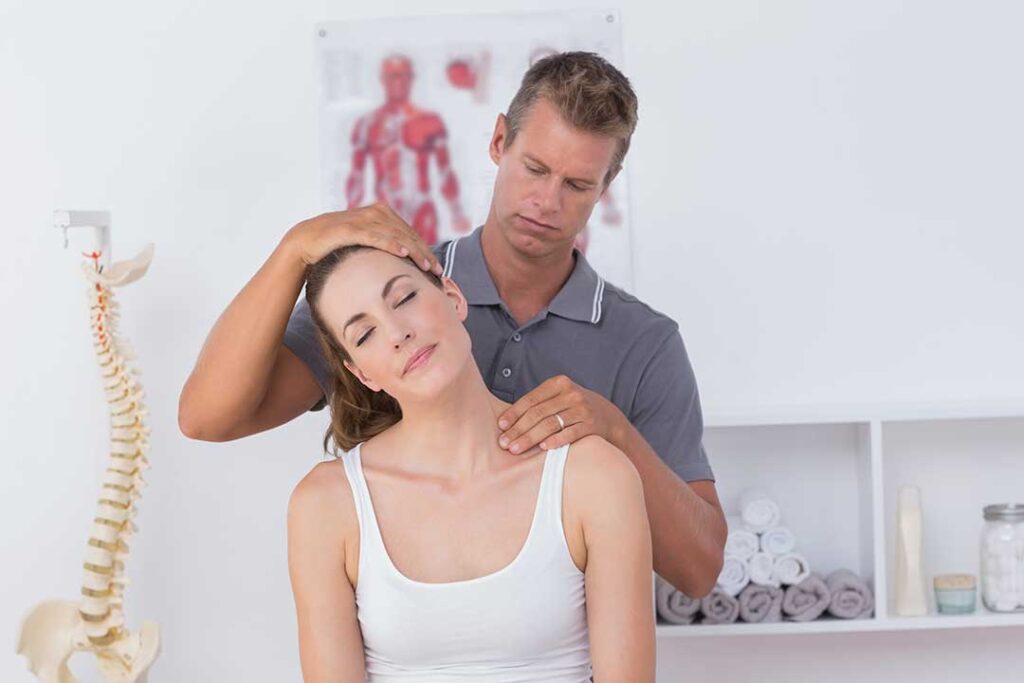
Chiropractic care focuses on the relationship between the spine, joints, muscles, and nervous system. For some older adults, gentle manual techniques may reduce joint stiffness, improve short-term range of motion, or ease discomfort that makes movement more difficult.
A chiropractor may evaluate how the neck, back, hips, knees, ankles, and shoulders work together. Limited motion in one area can affect other parts of the body. For example, reduced ankle movement may change walking mechanics, while hip stiffness may make it harder to rise from a chair or maintain balance while turning.
Care may include:
- Gentle joint mobilization
- Soft-tissue techniques
- Posture and movement education
- Home exercises for flexibility and strength
- Guidance on safer ways to bend, reach, lift, or change position
The purpose is generally not to “put bones back in place.” A more accurate explanation is that treatment may help address restricted movement, muscle tension, or pain-related movement patterns.
Can chiropractic treatment improve walking and balance?
It may help indirectly by making movement less painful or by improving the motion needed for normal walking. However, chiropractic care alone should not be viewed as a complete balance or fall-prevention program.
Balance depends on several systems working together, including vision, inner-ear function, leg strength, reaction time, joint position sense, medication effects, and the ability to process changes in the walking surface. A person may have improved spinal movement and still need focused balance training.
Useful mobility goals can be specific and measurable, such as:
- Walking to a nearby destination without stopping because of back or hip discomfort
- Standing from a dining chair without using both arms
- Turning in the kitchen without feeling unsteady
- Walking up and down household stairs with greater control
- Reaching into a cabinet without losing balance
These goals help keep care focused on daily function rather than on imaging findings or vague promises.
What role do exercises play?
Exercise is usually the most important part of maintaining mobility over time. Manual treatment may make movement easier, but strength, balance, endurance, and flexibility are what help the body use that improved motion in daily life.
Older adults generally benefit from a mix of activities suited to their current abilities:
- Strength work: Sit-to-stand practice, supported leg exercises, and light resistance training can help preserve the muscle needed for stairs and transfers.
- Balance practice: Heel-to-toe walking, controlled weight shifting, and standing near a stable support can improve confidence and body control.
- Flexibility exercises: Gentle movement for the hips, ankles, shoulders, and spine can support daily tasks such as dressing and reaching.
- Walking or other aerobic activity: Regular movement supports endurance and may reduce the tendency to become sedentary after a painful episode.
Exercises should be gradual. Sharp pain, new numbness, chest symptoms, severe shortness of breath, or unusual dizziness are reasons to stop and seek medical guidance.
Is chiropractic care safe for seniors?
Safety depends on the individual, the technique, and the person’s health history. Older adults may have osteoporosis, arthritis, spinal stenosis, recent fractures, joint replacements, blood-clotting concerns, or conditions that affect balance and sensation. Medications can also influence fall risk or bruising.
A complete health history should include:
- Recent falls or injuries
- Bone-density concerns or fracture history
- Blood-thinning medication
- Cancer history
- Numbness, weakness, or changes in bladder or bowel control
- Dizziness, fainting, or vision changes
- Prior surgery involving the spine or major joints
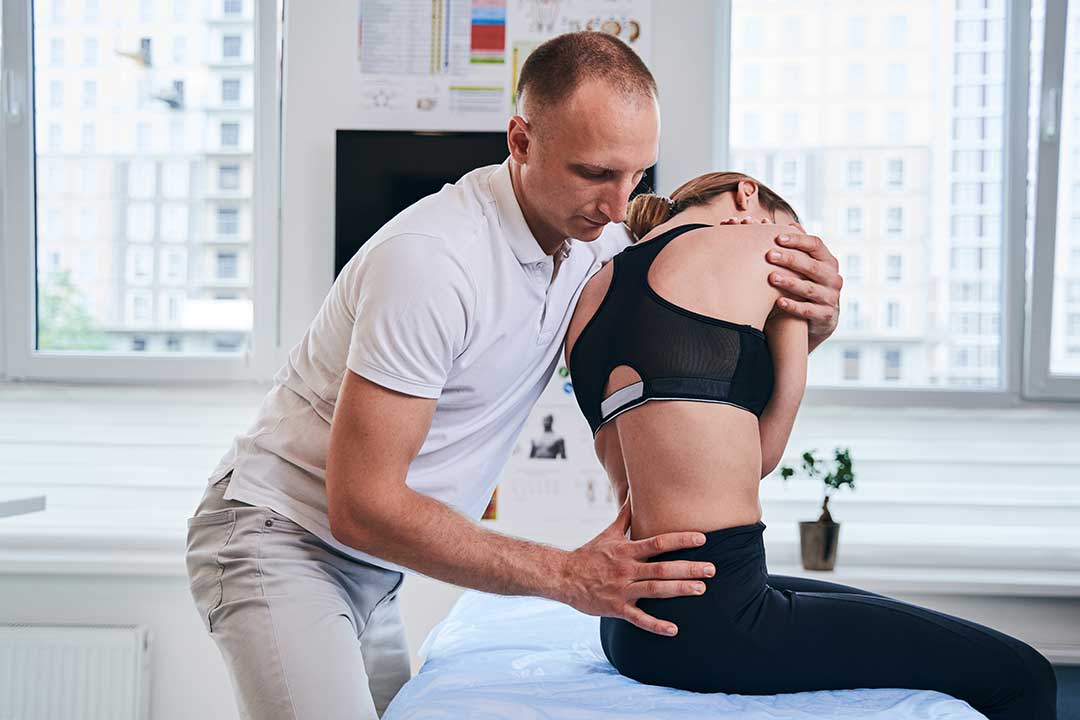
Mild soreness, stiffness, or a temporary increase in discomfort can occur after manual treatment. More serious problems are uncommon, but the risk profile is not identical for every person. Forceful or high-velocity techniques may not be appropriate for someone with certain medical conditions. The treatment approach should be adjusted to the person’s age, strength, bone health, symptoms, and goals.
When should mobility problems be medically evaluated first?
A sudden change in walking, balance, or strength should not automatically be treated as a routine joint problem. Prompt medical evaluation is appropriate for symptoms such as:
- Sudden weakness or numbness on one side
- New difficulty speaking or understanding speech
- Fainting or severe dizziness
- Loss of bladder or bowel control
- A fall involving a head injury
- Inability to bear weight after an injury
- Fever with severe back pain
- Unexplained weight loss or persistent night pain
These symptoms may signal a neurological, cardiovascular, infectious, or structural problem requiring medical assessment.
A gradual decline also deserves attention. Increasing difficulty with stairs, repeated near-falls, or a growing need to hold walls and furniture can reflect medication effects, vision changes, muscle loss, inner-ear problems, or a neurological condition—not simply “normal aging.”
How can local conditions affect senior mobility?
Seasonal weather can change walking conditions. Ice, wet leaves, heavy rain, and uneven pavement may increase the challenge for anyone with limited balance or reduced lower-body strength. Indoor habits matter as well. Loose rugs, dim stairways, cluttered walkways, and low furniture can turn a minor mobility limitation into a fall hazard.
Practical steps include:
- Improve lighting near entrances and stairs
- Keep commonly used items within easy reach
- Use stable footwear indoors and outdoors
- Keep pathways clear of cords and loose mats
- Install secure handholds where support is needed
- Avoid rushing from a seated or lying position
A cane or walker should fit correctly and be used according to individual guidance. Using a device that is too high, too low, or held on the wrong side can make movement less stable.
What should seniors expect from a mobility-focused visit?
An evaluation may include questions about pain, walking tolerance, falls, sleep, medication, and daily activities. Movement may be observed through tasks such as walking, turning, standing from a chair, or reaching.
The most useful plan is usually conservative and functional. It may combine gentle hands-on care with home exercises, activity adjustments, balance work, and coordination with other health professionals when symptoms fall outside the scope of chiropractic treatment.
For older adults, better mobility is rarely the result of one technique. It is more often built through a combination of appropriate care, regular movement, strength training, safer surroundings, and attention to medical conditions that can affect balance and function.
