
What does mobility mean for older adults?
Mobility is more than walking speed. It includes the ability to stand from a chair, turn safely, climb stairs, reach overhead, get in and out of bed, and move through the home without excessive pain or fear of falling.
For older adults in Lynbrook, NY, maintaining mobility can support independence in everyday routines. Seasonal conditions such as cold temperatures, wet sidewalks, and icy surfaces may also make balance and joint control especially important during parts of the year.
Chiropractic care may support mobility by addressing joint stiffness, muscle tension, movement limitations, and pain that interfere with normal activity. It is not a replacement for medical care, physical therapy, exercise, or treatment of conditions such as osteoporosis, arthritis, nerve disorders, or fractures. Its usefulness depends on the person’s health history and the cause of the mobility problem.
How can chiropractic care affect movement?
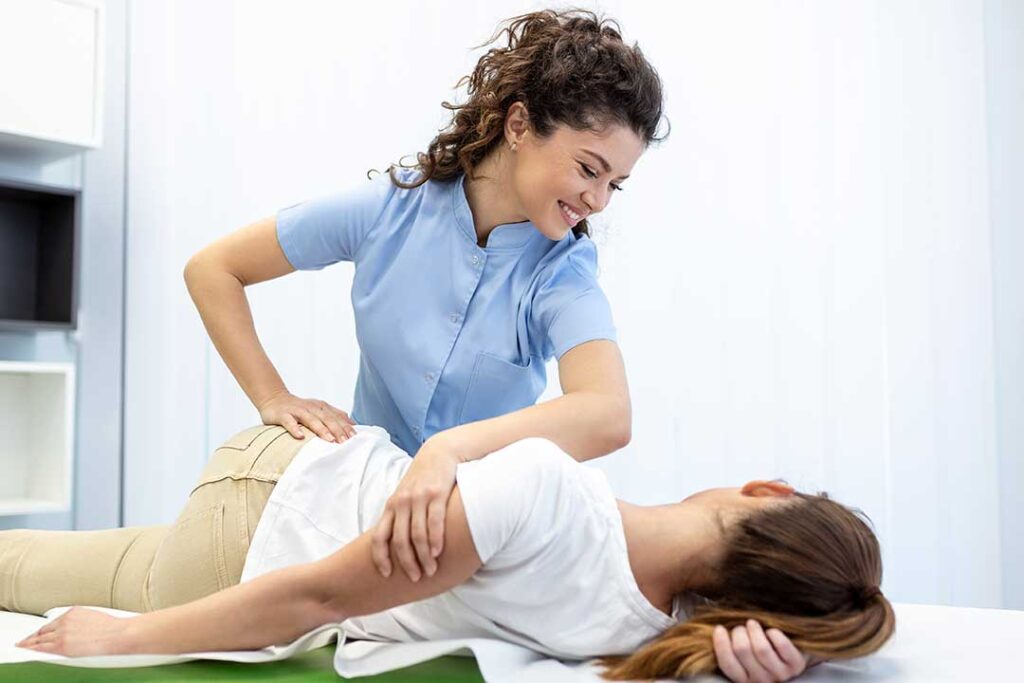
Chiropractic care commonly focuses on the relationship between the spine, joints, muscles, and nervous system. A chiropractor may use hands-on joint mobilization, spinal manipulation, soft-tissue techniques, posture guidance, and movement exercises.
The goal is generally to improve how a person moves rather than simply to treat a painful area. For example, limited movement in the lower back may cause someone to take shorter steps, while reduced hip or ankle motion may affect balance and stair climbing. Addressing several contributing areas can sometimes make daily movements feel more coordinated.
Potential mobility-related benefits may include:
- Reduced stiffness in the back, neck, hips, or other joints
- Improved comfort while walking or standing
- Better ability to rotate, bend, or reach
- Greater awareness of posture and body position
- Support for a gradual return to safe activity after a period of inactivity
These effects are not guaranteed, and improvement may require regular movement practice outside of hands-on treatment.
Can chiropractic care help with age-related stiffness?
It may help some older adults, particularly when stiffness is related to restricted joint movement, muscle guarding, or mechanical back or neck pain. Gentle mobilization can be used to move a joint through a comfortable range. Some people may also receive stretching or strengthening exercises designed around their current abilities.
Age-related stiffness has many possible causes, however. Osteoarthritis, spinal stenosis, inflammatory conditions, previous injuries, reduced muscle strength, and inactivity can all produce similar symptoms. A careful assessment is needed before deciding whether chiropractic techniques are appropriate.
Pain that is severe, rapidly worsening, associated with weakness or numbness, or accompanied by unexplained weight loss, fever, loss of bladder or bowel control, or a recent fall should not be treated as ordinary stiffness. Those symptoms require prompt medical evaluation.
Does chiropractic care improve balance and reduce falls?
Chiropractic care may contribute indirectly to better balance when pain or restricted movement makes a person walk cautiously or unevenly. Improving comfort in the hips, spine, or ankles may make it easier to practice standing, walking, and balance exercises.
Hands-on care alone should not be considered a complete fall-prevention program. Fall risk can also be affected by reduced leg strength, vision changes, dizziness, medication side effects, blood-pressure changes, foot problems, home hazards, and neurological conditions.
A stronger mobility plan often includes:
- Leg and hip strengthening
- Balance practice performed near a stable support
- Flexibility work that does not cause pain
- Walking or other appropriate aerobic activity
- Adequate lighting and clear pathways at home
- Secure footwear, especially during wet or icy weather
- Review of medications and health conditions that may cause dizziness
For an older adult who has fallen, repeated falls, or significant balance problems, evaluation by a physician or physical therapist may be especially important.
What happens during an evaluation?
A responsible evaluation should begin with questions about symptoms, previous injuries, surgeries, osteoporosis, medications, medical diagnoses, activity level, and fall history. The examination may include posture, walking pattern, joint movement, muscle function, reflexes, and signs of nerve involvement.
This information helps determine whether conservative chiropractic care is reasonable or whether another type of evaluation is needed first. Older adults may need a more cautious approach because bones, blood vessels, connective tissues, and balance systems can change with age.
Treatment should be adjusted to the individual. Some people may tolerate gentle mobilization, stretching, and exercise better than forceful techniques. Others may require coordination with a medical provider, physical therapist, or another member of the healthcare team.
Is spinal manipulation safe for seniors?
Spinal manipulation can cause temporary soreness, stiffness, headache, or increased discomfort. These effects are usually short-lived, but older adults should still discuss their health history before treatment.
Extra caution may be needed for people with osteoporosis, a history of spinal surgery, blood-clotting problems, certain neurological disorders, inflammatory arthritis, recent trauma, or conditions affecting bone strength. Neck manipulation also deserves careful consideration, particularly when a person has unusual headache, dizziness, visual symptoms, weakness, or neck pain that began suddenly.
Safety depends on appropriate screening, clear communication, and choosing techniques that match the person’s health and physical tolerance. A senior should mention all medications and supplements, recent falls, cancer history, blood-thinning medication, and any new neurological symptoms.
How does chiropractic care fit with exercise?
Chiropractic care is generally most useful for mobility when it supports active rehabilitation. A person may feel temporary relief after treatment, but strength, balance, endurance, and coordination improve through repeated practice.
Simple activities may include short walks, sit-to-stand movements from a stable chair, supported heel raises, gentle range-of-motion exercises, or balance practice near a countertop. The correct activity depends on the person’s joint condition, strength, fall risk, and medical history.
Exercise should be gradual. Soreness from unfamiliar activity can occur, but sharp pain, new weakness, chest symptoms, severe shortness of breath, or dizziness are reasons to stop and seek medical guidance.
What should local families consider?
Many older adults live in homes where stairs, narrow walkways, loose rugs, bathroom surfaces, and outdoor steps affect daily movement. In colder or rainy conditions, transitions between indoor and outdoor surfaces may become more challenging. Mobility support should therefore address both the body and the environment.
A practical plan may combine conservative hands-on care, strengthening, balance training, home-safety adjustments, vision and medication review, and treatment for underlying medical conditions. The most useful goal is not simply moving more freely during an examination. It is being able to walk, rise, reach, and change direction with greater confidence during ordinary life.
