
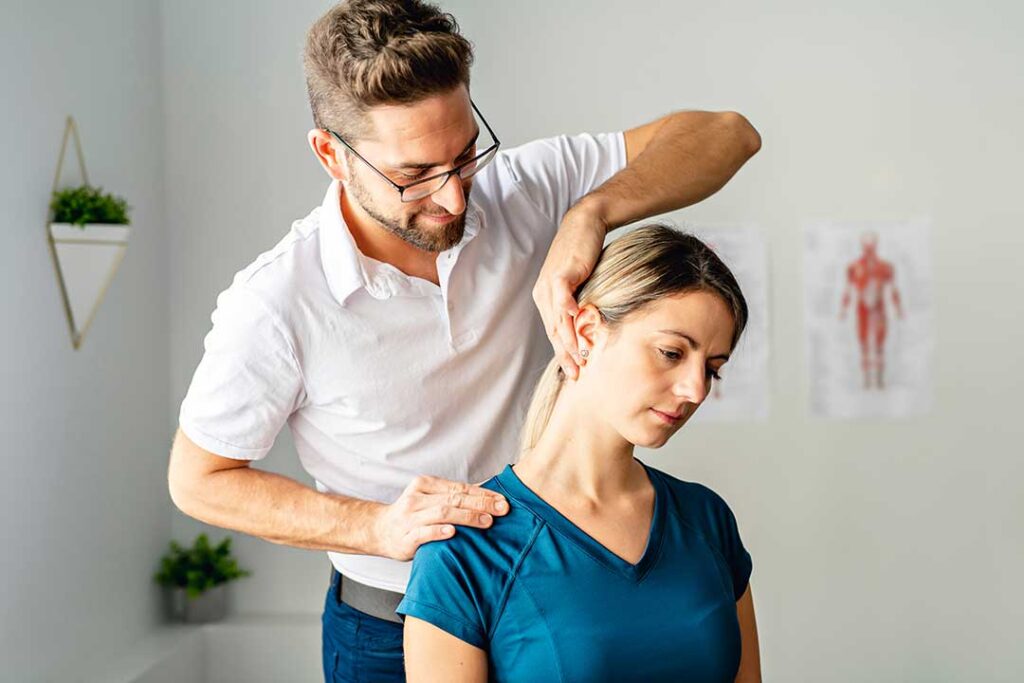
Simple mobility exercises can help local residents move more comfortably during ordinary activities such as getting out of a chair, reaching into a cabinet, climbing stairs, or turning to check traffic. Mobility work focuses on controlled joint movement, while stretching usually focuses on lengthening a muscle.
A short routine does not need special equipment. A clear floor area, a sturdy chair, and comfortable clothing are usually enough.
What does mobility exercise actually do?
Mobility exercises guide a joint through a comfortable range of motion while the surrounding muscles remain active. The goal is not to force a joint farther than it wants to go. Instead, regular gentle movement may help reduce stiffness and make everyday positions feel less restricted.
Mobility is different from flexibility:
- Mobility is the ability to control movement through a joint’s available range.
- Flexibility is the ability of a muscle or group of muscles to lengthen.
- Strength is the ability to produce force and control a position.
A useful home routine includes all three over time. For example, an ankle movement can improve joint motion, while a supported calf raise builds strength and control.
How should a person warm up first?
Begin with three to five minutes of easy movement. This can be walking around the room, marching slowly in place, or shifting weight from one foot to the other.
Warming up helps you notice how the body feels before attempting larger movements. In cooler months, indoor stiffness may be more noticeable after long periods of sitting, especially in homes where residents spend more time inside. A brief warm-up is also helpful after desk work, television, driving, or household tasks.
Keep the first movements small. Increase the range gradually rather than beginning with deep bends or forceful stretches.
Which at-home mobility exercises are easiest to start with?
The following sequence is appropriate for many generally healthy adults. Perform each exercise slowly, breathing normally, and stop before pain becomes sharp, electrical, or intense.
1. Neck turns
Sit or stand tall with the shoulders relaxed. Slowly turn the head to the right, return to center, and then turn to the left.
Perform five controlled repetitions on each side. Keep the chin level rather than tipping the head upward. This movement can be useful after reading, computer work, or looking down at a phone.
Avoid fast circles of the neck. A gentle turn is usually easier to control than a large rolling motion.
2. Shoulder blade movement
Let the arms rest by the sides. Gently draw the shoulder blades slightly back and down, without squeezing hard. Hold for two or three seconds, then relax.
Repeat eight to ten times. The movement should not cause the shoulders to rise toward the ears. This exercise encourages awareness of upper-back posture without forcing the chest forward.
A second option is to make slow shoulder rolls backward for five repetitions, followed by five forward rolls.
3. Seated upper-body rotations
Sit near the front of a sturdy chair with both feet on the floor. Cross the arms over the chest or place the hands on the thighs. Turn the upper body gently to one side, return to center, and repeat on the other side.
Complete five repetitions per side. Keep the hips facing forward and avoid bouncing at the end of the movement.
This can be particularly practical for people who spend much of the day seated or who notice stiffness when turning to reach for something beside them.
4. Cat-cow movement at a wall or on hands and knees
For a standing version, place both hands on a wall at about chest height. Slowly round the upper back while letting the head follow comfortably, then gently lift the chest and lengthen the spine.
Repeat six to eight times. The movement should be smooth rather than exaggerated.
People who are comfortable on the floor may perform a similar motion on hands and knees. A folded towel beneath the knees can make the position more comfortable on a hard floor.
5. Hip hinge practice
Stand with feet about hip-width apart and place the hands on the front of the thighs. Keeping the back relatively long, push the hips backward as the torso leans forward slightly. Return to standing by pressing through the feet.
Repeat eight times. This teaches the hips to bend without relying entirely on the lower back. It can support everyday tasks such as lifting a light laundry basket or reaching toward a low surface.
Use a wall or countertop for balance if needed. Keep the movement shallow at first.
6. Supported sit-to-stand
Use a firm chair that does not slide. Sit with the feet under the knees. Lean the chest forward slightly and stand up without using the hands if that is comfortable. Slowly sit back down.
Try five to eight repetitions. If the knees feel strained, reduce the depth or use the hands lightly on the chair arms. If standing without support is difficult, practice only the forward lean and partial lift.
This exercise combines hip, knee, and ankle movement with useful leg strength.
7. Ankle rocks
Stand facing a wall or counter. Place one foot slightly behind the other. Keeping the back heel down, gently bend the front knee forward, then return to the starting position.
Perform eight repetitions per side. The heel should remain in contact with the floor. This movement may be helpful after prolonged sitting or before walking outdoors.
Because wet leaves, snow, and uneven surfaces can create seasonal balance challenges, ankle control is worth including in a year-round home routine.
8. Supported balance
Stand beside a counter or sturdy chair and lightly hold it with one hand. Shift weight from one foot to the other. If that feels easy, briefly lift one foot from the floor while keeping the support within reach.
Practice for 10 to 20 seconds per side. Do not close the eyes or stand on an unstable surface. Balance exercises should always be performed where a person can regain support safely.
How often should mobility exercises be performed?
A five- to ten-minute routine can be done most days, especially after long periods of sitting. Consistency is generally more useful than doing a demanding session once a week.
Mobility exercises can be combined with regular walking and strength work. Federal activity guidance encourages adults to accumulate moderate physical activity during the week and perform muscle-strengthening activities on at least two days. Mobility exercises complement those activities but do not replace aerobic or strengthening exercise by themselves.
Older adults may benefit from including balance practice as part of a broader routine. The level of challenge should match current ability, not an idealized fitness standard.
What sensations are normal, and what signals a problem?
Mild muscle tension, gentle pulling, or temporary stiffness may occur. The movement should remain controlled and should not produce sharp pain.
Stop the exercise and seek medical guidance if movement causes:
- New numbness, tingling, or weakness
- Pain traveling down an arm or leg
- Loss of balance that is unusual
- Chest pain, faintness, or unusual shortness of breath
- Swelling, significant bruising, or pain after an injury
- Symptoms that continue to worsen after stopping
People with a recent surgery, known joint instability, osteoporosis, inflammatory arthritis, neurological conditions, or a significant chronic illness may need an individualized exercise plan. Anyone who has been inactive and wants to begin vigorous exercise should increase activity gradually and discuss appropriate limits with a qualified healthcare professional.
The safest routine is one that feels repeatable, controlled, and appropriate for the body on that particular day.
