
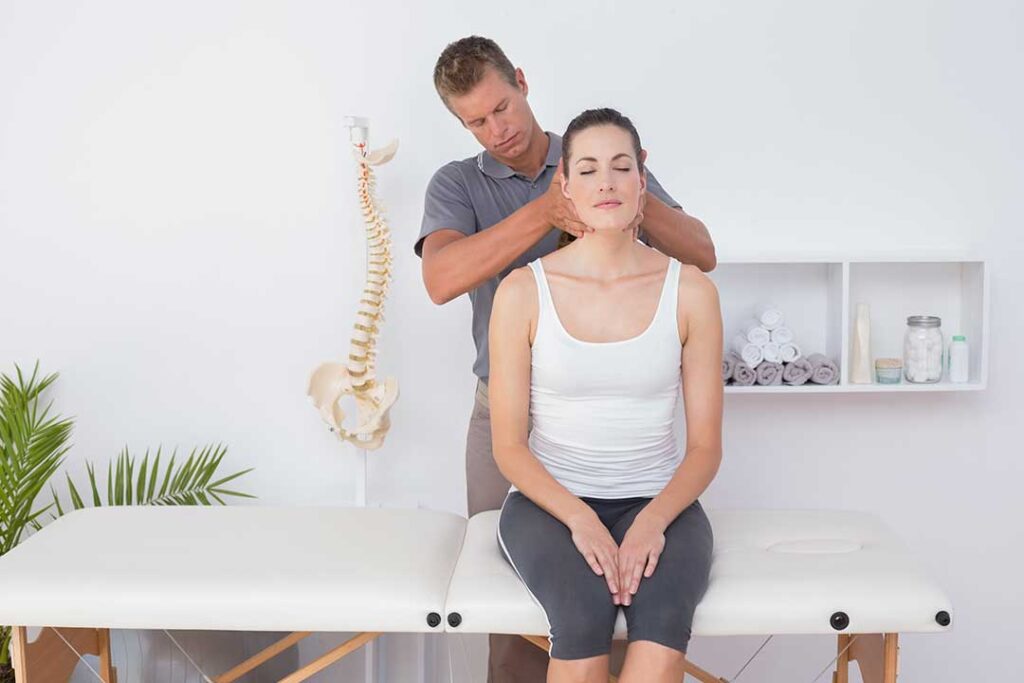
For older adults in Lynbrook, NY, mobility often depends on several connected factors: joint motion, muscle strength, balance, confidence, vision, footwear, and the safety of the home environment. Chiropractic care may support movement by addressing certain musculoskeletal problems, but it works best as one part of a broader mobility plan rather than as a stand-alone solution.
How can chiropractic care support mobility in seniors?
Chiropractic care may help some older adults move more comfortably by assessing and treating problems involving the spine, joints, muscles, and surrounding soft tissues. The goal is generally to reduce movement restrictions, ease discomfort, and support normal function.
Mobility is more than the ability to walk from one room to another. It includes:
- Standing up from a chair
- Turning the head while walking or driving
- Reaching overhead
- Climbing steps
- Getting in and out of bed
- Bending to dress or pick up an object
- Walking on uneven sidewalks or winter surfaces
When pain or stiffness affects these activities, a musculoskeletal evaluation can help identify whether the problem appears related to joint movement, muscle tension, posture, or another factor requiring medical attention.
What techniques may be used with older adults?
Treatment should be adapted to a person’s age, bone health, medical history, medications, and comfort level. Techniques may include gentle spinal or joint mobilization, soft-tissue work, stretching guidance, posture education, and exercise recommendations.
Not every older adult is an appropriate candidate for forceful spinal manipulation. A careful approach may be especially important for people with osteoporosis, a history of fractures, inflammatory arthritis, recent surgery, spinal instability, or conditions affecting blood clotting.
A mobility-focused visit may include questions about:
- The location and duration of pain
- Recent falls or near-falls
- Numbness, tingling, or weakness
- Walking tolerance
- Balance concerns
- Previous fractures or surgeries
- Medications that may affect alertness or coordination
- Activities that have recently become difficult
This information helps determine whether conservative musculoskeletal care is reasonable or whether medical evaluation should come first.
Can chiropractic treatment improve balance?
Chiropractic treatment alone should not be viewed as a complete balance program. Balance depends on the nervous system, leg strength, inner-ear function, vision, reaction time, footwear, and the ability to recognize hazards.
However, discomfort or stiffness in the back, neck, hips, ankles, or knees can change how a person walks. Someone who avoids putting weight on a painful leg may develop a less stable gait. Improving comfort and joint movement may make it easier to participate in strength and balance exercises.
For many seniors, the most useful mobility plan combines appropriate hands-on care with exercises such as:
- Sit-to-stand practice
- Supported heel raises
- Leg-strengthening exercises
- Step practice
- Walking drills
- Gentle range-of-motion movements
- Balance exercises performed near a stable surface
Exercises should match the person’s abilities. A new balance routine should not be attempted alone if there is a significant fall history or marked unsteadiness.
What role does posture play in everyday movement?
Posture can influence how efficiently the body moves, although there is no single “perfect” posture that applies to everyone. A forward head position, rounded upper back, or prolonged sitting may contribute to stiffness and reduced reaching or walking comfort.
In homes with smaller rooms, stairs, narrow hallways, or frequently used low chairs, reduced spinal or hip mobility may become noticeable during ordinary tasks. Practical education may include changing sitting positions, taking movement breaks, adjusting the height of commonly used surfaces, and using supportive handholds where appropriate.
Posture advice should focus on comfort and function rather than appearance. Older adults do not need to hold themselves rigidly. Frequent, comfortable movement is usually more useful than trying to maintain one position for long periods.
Is chiropractic care safe for every senior?
No. Chiropractic care is not automatically appropriate for every older adult, and treatment should not proceed without considering medical risks.
Extra caution may be needed with:
- Diagnosed or suspected osteoporosis
- Recent falls or unexplained fractures
- Severe arthritis or spinal stenosis
- Cancer affecting the bones
- Uncontrolled bleeding disorders
- Recent surgery
- Progressive neurological symptoms
- Severe or rapidly worsening pain
- Use of blood-thinning medication
- Significant dizziness or fainting

Urgent medical evaluation is warranted for new loss of bladder or bowel control, sudden weakness, facial drooping, difficulty speaking, severe unexplained headache, chest pain, major trauma, or sudden inability to walk. These symptoms should not be attributed to ordinary stiffness.
Neck manipulation deserves particular caution because serious neck problems can occasionally resemble common muscle pain. A thorough history and appropriate screening are essential before any treatment involving the cervical spine.
Does chiropractic care replace physical therapy or medical care?
No. Different types of care address different needs. Chiropractic treatment may focus on musculoskeletal mobility and pain. Physical therapy often provides structured rehabilitation for strength, balance, walking mechanics, and recovery after injury or surgery. Medical care may be necessary for arthritis, osteoporosis, neurological disease, medication side effects, circulation problems, or unexplained symptoms.
For a senior with repeated falls, a coordinated approach may be more useful than relying on one type of treatment. A healthcare team may also review vision, footwear, medications, blood pressure, home hazards, and assistive devices.
The most helpful question is not whether one treatment is universally superior. It is whether the plan addresses the actual reason mobility has declined.
How can local seasonal conditions affect senior mobility?
Cold weather, wet pavement, leaves, and icy walking surfaces can make outdoor movement more difficult in the community. Older adults may also spend more time indoors during unpleasant weather, which can increase stiffness and reduce daily activity.
Practical precautions include:
- Wearing shoes with secure fastening and good traction
- Keeping commonly used walkways clear
- Using handrails on steps
- Carrying fewer items while walking
- Allowing extra time on wet or slippery surfaces
- Maintaining gentle indoor movement during periods of limited outdoor activity
- Keeping frequently used items within easy reach
Mobility improvements are easier to maintain when the surrounding environment supports safe movement.
What should seniors expect from a mobility-focused plan?
Progress is usually measured by function rather than by a single treatment response. Useful signs may include walking farther, turning more comfortably, standing from a chair with less difficulty, sleeping better, or feeling more confident during routine activities.
Improvement may be gradual, and symptoms can have more than one cause. A person who feels temporarily better but continues to lose strength or balance needs further evaluation. Likewise, persistent pain, worsening numbness, or repeated falls should not be managed indefinitely through self-care alone.
For older residents, the purpose of chiropractic care should be practical: help support comfortable movement, identify limitations that need additional attention, and encourage safe participation in daily life.
