
Pregnancy-related back pain is common, but severe, sudden, or persistent pain should not be dismissed. In Lynbrook, NY, daily routines such as commuting, standing on public transportation, walking on hard sidewalks, carrying groceries, and spending time in a compact home can place extra strain on the lower back. Safe relief usually combines gentle movement, improved support, careful lifting, and guidance from a prenatal care provider when symptoms do not improve.
Why does pregnancy cause back pain?
Pregnancy changes the body in several ways that affect the spine and pelvis. As the uterus grows, the center of gravity shifts forward. The abdominal muscles stretch, posture may change, and the lower back muscles work harder to maintain balance.
Pregnancy hormones also loosen ligaments around the pelvis. This helps prepare the body for childbirth but can make the joints feel less stable. Added weight and fatigue may increase discomfort, especially later in the day.
Pain may be felt across the lower back, around the pelvic joints, or into the buttocks. Some people notice soreness after sitting, standing, walking, climbing stairs, or turning in bed.
What can provide safe relief at home?
Small changes in posture and daily movement can reduce strain. Relief is often more effective when several strategies are used together rather than relying on one remedy.
Support the back while sitting
Choose a chair with firm back support. A small cushion or rolled towel placed behind the lower back can help maintain a comfortable curve. Keep both feet supported and avoid sitting in one position for long periods.
For desk work, keep the screen near eye level and allow the shoulders to relax. During long car rides or train trips, change position regularly and take brief movement breaks when possible.
Sleep on the side with pillows
Side sleeping is often more comfortable as pregnancy progresses. Keep the knees slightly bent and place a pillow between them. Another pillow under the abdomen may reduce pulling across the lower back. A pillow behind the back can make it easier to stay supported.
There is no need to force one exact sleeping position if discomfort develops. The goal is a stable, supported position that allows comfortable breathing and rest.
Use heat or cold carefully
A warm, not hot, compress may relax tense back muscles. Keep the temperature low, place a towel between the heat source and skin, and use it for a limited period. A cold pack wrapped in cloth may help after activity or when the area feels irritated.
Avoid overheating the body, especially during warm weather or while using a heating device for an extended time. A warm shower or bath may also provide temporary relief, provided the water is not excessively hot and balance is secure.
Is exercise safe for pregnancy-related back pain?
For most people with an uncomplicated pregnancy, gentle activity can support the muscles that help stabilize the spine. Walking, water exercise, and pregnancy-appropriate stretching are commonly used options. In a dense suburban setting, short walks broken into manageable periods may be more comfortable than one long outing.
Before beginning a new exercise routine, ask the obstetric care provider whether it is appropriate. Stop if exercise causes pain, dizziness, vaginal bleeding, fluid leakage, regular contractions, chest pain, or unusual shortness of breath.
A gentle hands-and-knees movement may help some people:
- Begin with hands under the shoulders and knees under the hips.
- Keep the neck relaxed and the back in a neutral position.
- Gently draw in the abdominal muscles and round the back slightly.
- Hold for a few seconds, then return to a comfortable neutral position.
- Move slowly and stop if symptoms increase.
Do not force a stretch, bounce, hold the breath, or continue through pain. Exercises that require lying flat on the back for a prolonged period may become uncomfortable later in pregnancy. Sit-ups and high-impact activities should not be added without individualized medical guidance.
How should lifting and household tasks be modified?
Pregnancy does not make ordinary movement unsafe, but technique and load matter. Bend at the knees and hips rather than folding from the waist. Keep objects close to the body and rise using the legs. Avoid twisting while carrying something; move the feet instead.
For household tasks, divide loads into smaller amounts. Carrying two light grocery bags may be easier than one heavy bag. Use a cart when available, and ask for assistance with bulky laundry baskets, furniture, or containers stored low to the floor.
During icy or wet weather, take extra care with footing. Supportive shoes, clear walking paths, and slower turns can reduce the risk of a fall, which can cause more than ordinary muscle soreness.

Are pregnancy support belts or chiropractic care appropriate?
A maternity support garment or pelvic support belt may reduce the feeling of heaviness for some people, but fit and positioning matter. A belt that is too tight may be uncomfortable or restrict normal movement. Discuss its use with the prenatal care provider, especially if pain is concentrated around the pelvis or worsens while walking.
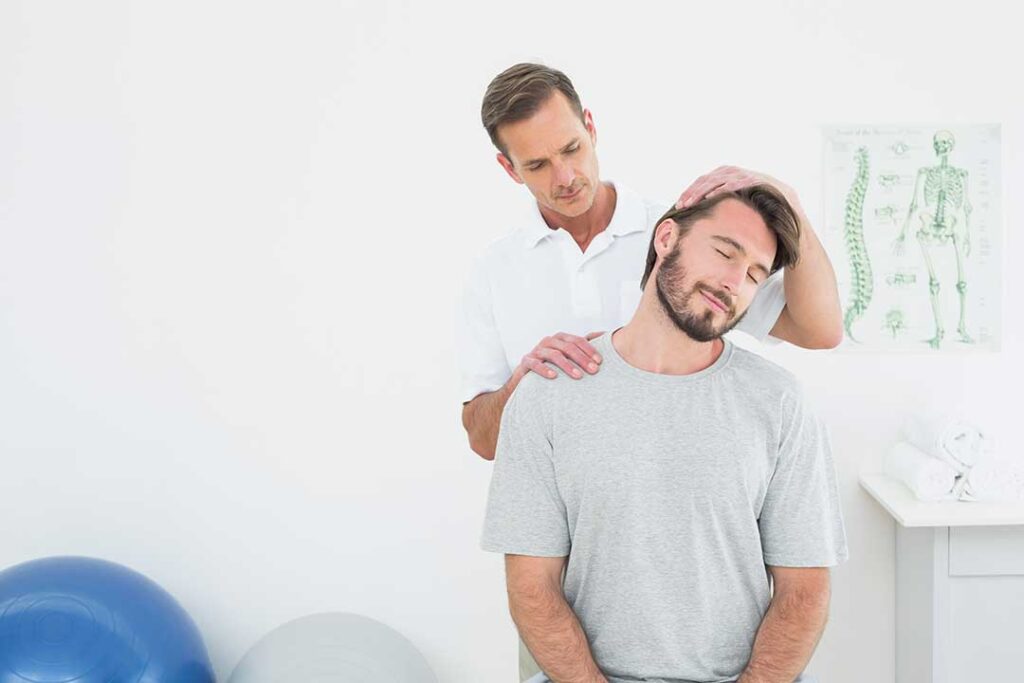
Chiropractic care may be considered by some pregnant patients, but it should not replace obstetric evaluation. Anyone considering manual treatment should choose a properly licensed practitioner who understands pregnancy-related changes, uses pregnancy-appropriate positioning, and communicates with the patient’s prenatal care team when needed. Forceful techniques, treatment through severe pain, or treatment without a pregnancy history and health screening are not appropriate.
A rehabilitation or physical therapy professional with prenatal experience may also teach individualized exercises for posture, pelvic stability, and safe movement.
Which pain medicines are safe during pregnancy?
Do not assume that an over-the-counter pain reliever is safe simply because it does not require a prescription. Acetaminophen may be recommended in some pregnancies, but the appropriate dose and timing should be confirmed with the obstetric care provider.
Ibuprofen, naproxen, aspirin-containing products, muscle relaxants, herbal remedies, and topical medicines should not be used without specific medical advice. Some medicines carry different risks depending on the trimester and a person’s health history.
When does back pain require prompt medical attention?
Contact the prenatal care provider promptly for severe pain, pain that lasts more than about two weeks, or symptoms that steadily worsen. Back pain may occasionally be related to a urinary infection or early labor rather than ordinary muscle strain.
Seek urgent guidance if back pain occurs with:
- Fever or chills
- Burning or pain during urination
- Vaginal bleeding or fluid leakage
- Regular cramping, tightening, or contractions
- New pain in the side or under the ribs
- Severe abdominal or pelvic pain
- Numbness, weakness, or loss of feeling in the legs, buttocks, or genital area
- Difficulty walking or loss of bladder or bowel control
A fall or direct injury during pregnancy should also be reported, even if the back initially feels only mildly sore. The safest approach is to treat ordinary discomfort conservatively while recognizing that new or unusual symptoms deserve medical assessment.
