

Foot pain and spinal alignment can be connected through the way the body absorbs impact, balances weight, and adjusts during walking. A problem in the foot does not automatically mean the spine is misaligned, but persistent foot discomfort can change movement patterns and place extra strain on the ankles, knees, hips, pelvis, and lower back.
For residents of Lynbrook, NY, this connection may become more noticeable during long walks, daily commuting, standing at work, household tasks, or winter and rainy conditions that encourage cautious, uneven walking.
Can foot pain affect the back?
Yes, foot pain can contribute to back discomfort when it changes how a person walks or stands. People often shorten their stride, shift weight to one side, roll the foot differently, or tighten muscles to protect the painful area.
These adjustments may be helpful for a short time, but repeated compensation can increase stress elsewhere. The body works as a connected movement system:
- The foot contacts the ground.
- The ankle helps absorb and transfer force.
- The knee and hip guide the leg.
- The pelvis responds to the position of both legs.
- The spine adjusts to keep the head and trunk balanced.
If one part of this chain moves differently, other areas may need to work harder. This is sometimes called the kinetic chain.
What does “spinal alignment” actually mean?
Spinal alignment does not mean holding the back in one perfectly straight position. A healthy spine naturally has curves, and normal movement includes bending, rotating, and shifting weight.
In practical terms, alignment refers to how the spine, pelvis, hips, and legs work together during movement. A person can have an asymmetrical stance or altered walking pattern without having a dangerous spinal problem. Likewise, a person with back pain may not have a visible alignment abnormality.
This distinction matters because pain is influenced by many factors, including muscle endurance, joint motion, nerve sensitivity, previous injuries, sleep, stress, and activity levels. Foot position may be one contributing factor rather than the sole cause.
How can the feet influence the pelvis and lower back?
A common example involves excessive inward rolling of the foot, often called overpronation. Some inward movement is normal and helps the body adapt to the ground. Problems may arise when the motion is excessive, painful, markedly different between the two feet, or combined with weakness or stiffness elsewhere.
Changes in foot motion can affect the rotation and position of the lower leg. That may influence the knee, thigh, and pelvis during each step. The lower back can then respond by changing muscle activity or movement to maintain balance.
The opposite pattern can also create difficulty. A rigid or high-arched foot may absorb less impact, causing more force to travel upward through the ankle, knee, hip, and spine.
These relationships are biomechanical possibilities, not automatic diagnoses. Many people with flat feet, high arches, or uneven foot posture have no back pain.
Can one painful foot cause pain on the other side?
It can. If the right foot hurts, a person may spend less time loading it and place more weight on the left leg. Over days or weeks, this may create soreness in the opposite hip, pelvis, or lower back.
A similar pattern may occur after an ankle sprain, a painful callus, heel pain, or irritation under the ball of the foot. The body may continue protecting the injured side even after the original pain has begun to improve.
Side-to-side differences are especially relevant when symptoms appear in the back, hip, or knee without an obvious injury in those areas.
What foot problems are most likely to affect walking mechanics?
Any condition that changes weight-bearing or stride length may influence the rest of the body. Examples include:
- Persistent heel pain
- Pain from the arch or ball of the foot
- Bunions or stiff toes
- An ankle sprain that never fully recovered
- Arthritis in the foot or ankle
- A collapsing arch that causes fatigue
- A very rigid high arch
- Recurrent blisters, corns, or calluses
- Leg-length differences that are clinically meaningful
Footwear can also matter. Shoes with poor fit, worn-out soles, limited cushioning, or inadequate room for the toes may encourage people to walk differently. Seasonal rain, ice, and uneven sidewalks can further change gait because people naturally become more cautious and tense.
Does correcting foot posture fix back pain?
Not necessarily. Addressing foot mechanics may help some people, particularly when foot pain clearly changes walking or when symptoms involve both the feet and lower back. However, foot supports, exercises, or shoe changes are not universal solutions.
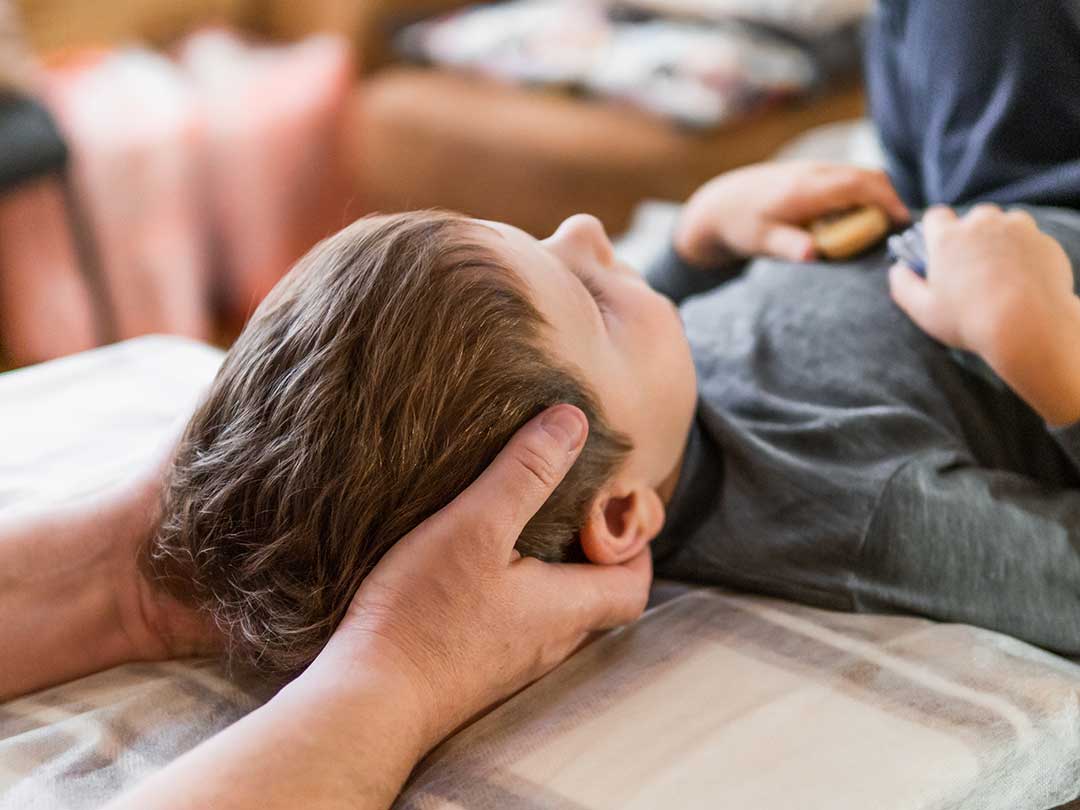
Research on foot posture and low back pain suggests an association in some groups, but it does not prove that a particular foot position causes every case of back pain. Treatment should match the individual pattern of symptoms rather than rely on the idea that all pain comes from one alignment problem.
A balanced approach may include:
- Gradual strengthening of the feet, calves, hips, and trunk
- Restoring comfortable ankle and hip movement
- Adjusting activity temporarily without complete inactivity
- Using properly fitting everyday footwear
- Improving walking tolerance gradually
- Addressing the painful area and the movement habits around it
A sudden switch to rigid inserts, highly corrective footwear, or intense exercises can sometimes increase discomfort. Changes are usually better introduced gradually.
What can residents observe at home?
A few simple observations may help identify whether foot symptoms are affecting movement:
- Does one shoe wear down faster than the other?
- Do the toes point noticeably outward or inward on one side?
- Does standing evenly feel difficult?
- Does pain increase after walking but ease with rest?
- Are steps shorter because of foot discomfort?
- Does the pelvis shift or the trunk lean during walking?
- Did back or hip pain begin after a foot or ankle injury?
These observations cannot diagnose a spinal or foot condition, but they can help describe the pattern clearly during a medical evaluation.
When should foot and back pain be evaluated?
Evaluation is appropriate when pain persists, repeatedly returns, or interferes with walking, sleep, work, or ordinary household activities. A clinician may examine the feet, ankles, hips, pelvis, walking pattern, strength, sensation, and spinal movement rather than focusing on the painful location alone.
Prompt medical attention is warranted for back pain accompanied by new leg weakness, loss of bladder or bowel control, numbness in the groin area, fever, unexplained weight loss, or severe pain after significant trauma. Foot pain also deserves timely attention when there is marked swelling, deformity, inability to bear weight, spreading redness, or a wound that does not heal.
The most useful goal is not to force the body into a perfect posture. It is to restore comfortable, adaptable movement while identifying the factors that are making walking or standing more difficult.
