
Arthritis can cause pain, stiffness, swelling, and reduced mobility, but symptoms do not always require complete rest. For many people, a combination of gentle movement, strength-building, joint protection, and appropriate medical care can make daily activities easier.
In Lynbrook, NY, seasonal temperature changes, icy sidewalks, stairs, commuting, and household maintenance may all affect how joints feel. The most useful plan is one that fits daily routines while respecting pain, fatigue, and any underlying health conditions.
What type of arthritis may be causing the pain?
The word “arthritis” describes more than 100 conditions. Osteoarthritis is commonly associated with gradual wear and changes in joints such as the knees, hips, hands, spine, or feet. Rheumatoid arthritis, psoriatic arthritis, gout, and other inflammatory conditions can involve swelling, warmth, fatigue, or symptoms in several joints.
The pattern of symptoms matters. Osteoarthritis often causes pain that increases with activity and stiffness after sitting. Inflammatory arthritis may cause prolonged morning stiffness, visible swelling, warmth, or symptoms that affect both sides of the body.
A new or worsening joint problem should not automatically be assumed to be ordinary wear and tear. Correctly identifying the condition helps determine whether exercise, manual care, medication, imaging, or referral to a rheumatology or orthopedic provider is appropriate.
Is movement safe when arthritis hurts?
Usually, appropriate movement is safer and more helpful than prolonged inactivity. Regular physical activity can reduce pain, preserve muscle strength, improve balance, and support joint function. It can also make everyday tasks—such as walking, climbing stairs, or standing from a chair—less demanding.
Start with a tolerable amount rather than aiming for a full workout. Five- to ten-minute periods can be spread throughout the day. Joint-friendly choices may include:
- Walking on a level surface
- Stationary cycling
- Water exercise
- Gentle mobility exercises
- Tai chi
- Light resistance-band exercises
- Seated or supported strengthening
A mild increase in stiffness can occur after beginning a new routine. Sharp pain, significant swelling, limping, pain that continues for hours afterward, or symptoms that steadily worsen are reasons to reduce the activity and seek medical guidance.
During colder months, warming up indoors before walking outside may help reduce stiffness. On icy days, fall prevention should take priority. Supportive footwear, shorter outdoor routes, and indoor movement can be safer than pushing through hazardous conditions.
How can a chiropractor help with arthritis-related problems?
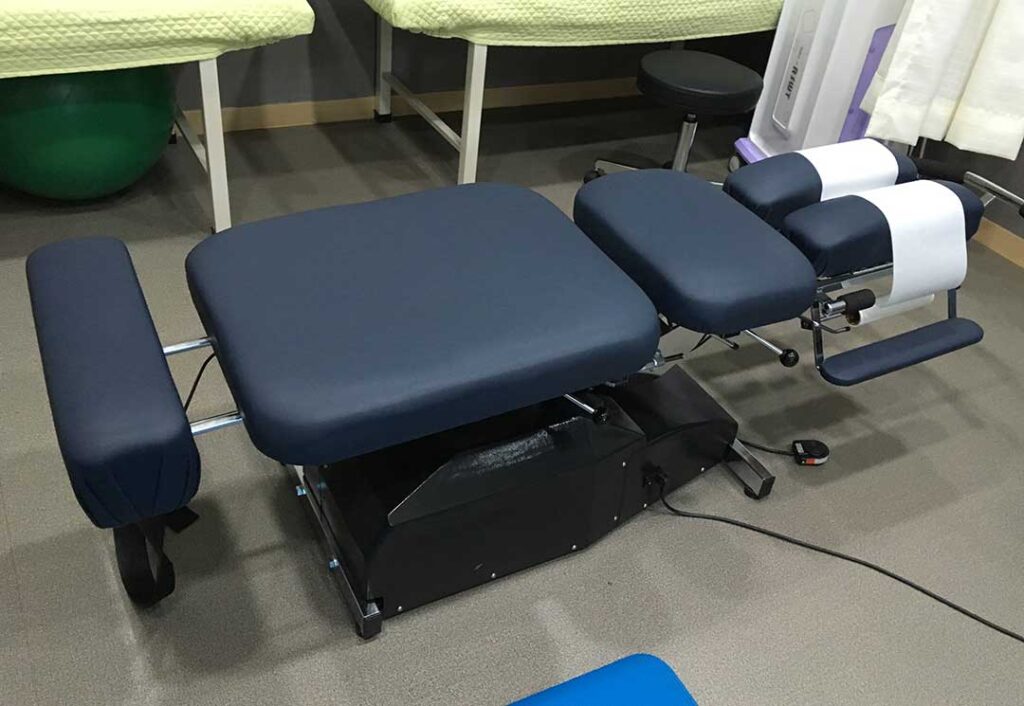
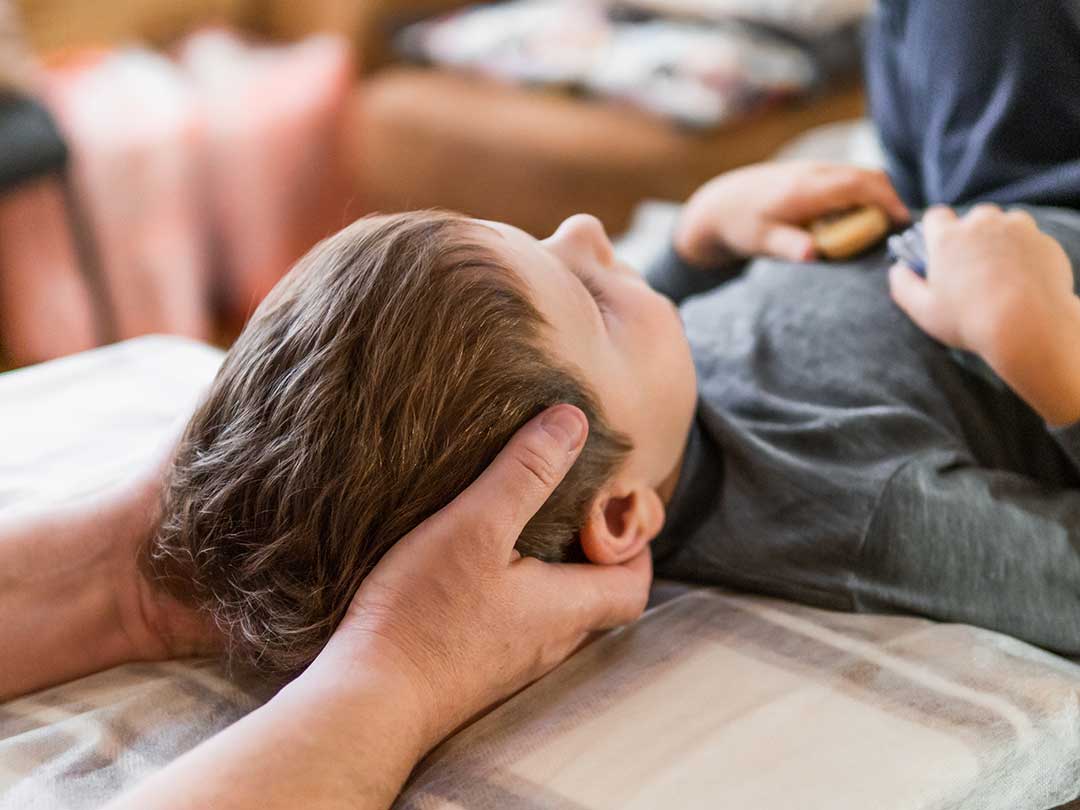
Chiropractic care may focus on improving mobility in areas surrounding an affected joint, reducing muscle tension, and helping a person move with less strain. Techniques can include gentle joint mobilization, soft-tissue work, posture instruction, and exercise guidance.
Manual care should support—not replace—active rehabilitation. For osteoarthritis, movement and strengthening generally play a central role. A treatment plan that relies only on repeated passive adjustments may not address weakness, balance problems, walking mechanics, weight-related joint stress, or the progression of an inflammatory disease.
Forceful manipulation is not appropriate for every person or every joint. Extra caution is needed for people with osteoporosis, recent fractures, joint replacement, severe arthritis-related instability, blood-clotting problems, certain neurological conditions, or medications that increase bleeding risk.
A thorough health history should be taken before treatment. If symptoms suggest infection, fracture, inflammatory disease, nerve compression, or another condition outside the scope of routine musculoskeletal care, medical evaluation is more appropriate than manipulation.
What can be done at home for stiffness and pain?
Heat and cold can be useful, but they serve different purposes. Warmth may help relax tight muscles and ease stiffness before movement. Cold may help reduce discomfort after activity or during a period of swelling.
Use a towel or cloth barrier and limit applications to about 15–20 minutes. Avoid falling asleep with a heating pad or placing ice directly on the skin. People with reduced sensation, circulation problems, or diabetes should use extra caution because burns and cold injuries may be harder to notice.
Pacing is another practical strategy. Instead of cleaning the entire house, shoveling, gardening, or carrying multiple loads at once, divide the task into shorter periods. Alternate heavier activities with easier ones, change positions regularly, and take planned breaks before pain becomes severe.
For hand arthritis, larger-handled utensils, lightweight cookware, and avoiding prolonged gripping can reduce strain. For knee or hip symptoms, using a stable handrail on stairs and keeping frequently used items within easy reach may help limit repeated bending and twisting.
Which exercises are most useful?
A balanced arthritis exercise plan usually includes mobility, aerobic activity, strength, and balance. Each element addresses a different problem.
Mobility exercises help maintain comfortable joint motion. Strengthening supports the joint by improving the muscles that control it. Aerobic activity supports endurance and general health. Balance exercises may reduce fall risk, especially for older adults or people with knee, hip, foot, or lower-back symptoms.
Examples include:
- Slow ankle, wrist, shoulder, and neck movements
- Sit-to-stand practice from a firm chair
- Gentle wall push-ups
- Straight-leg raises when appropriate
- Heel raises while holding a stable surface
- Short walks at a conversational pace
Exercises should be modified if they cause sharp pain or substantial swelling. A physical therapist, physician, or other qualified healthcare provider may be needed to tailor activity for joint replacements, severe limitations, inflammatory arthritis, or multiple medical conditions.
Can weight, sleep, and stress affect arthritis?
Yes. Excess body weight can increase mechanical stress on weight-bearing joints, particularly the knees and hips. Even modest weight reduction may lessen pain and improve physical function for people who carry excess weight.
Sleep also matters. Pain can interfere with rest, while poor sleep may increase sensitivity to pain and reduce energy for exercise. A consistent sleep schedule, comfortable positioning, and a manageable evening routine can support better recovery.
Stress does not cause every form of arthritis, but it can increase muscle tension, fatigue, and the perception of pain. Slow breathing, brief walks, relaxation exercises, and maintaining social connection may help people stay active without overexerting themselves.
When should arthritis symptoms be evaluated promptly?
Medical evaluation is especially important for a joint that becomes suddenly red, hot, very swollen, or severely painful. Prompt attention is also warranted after a fall or injury, when a joint cannot bear weight, or when pain is accompanied by fever, unexplained weight loss, marked weakness, numbness, or loss of bladder or bowel control.
Persistent morning stiffness, swelling in multiple joints, or symptoms that continue despite reasonable activity changes may indicate inflammatory arthritis or another condition requiring targeted treatment. Chiropractic care may be one part of a coordinated plan, but it should not delay diagnosis or disease-specific medical treatment.
The practical goal is not to force a painful joint to do more. It is to maintain safe movement, strengthen supporting tissues, reduce avoidable strain, and recognize when symptoms require a broader evaluation.
