
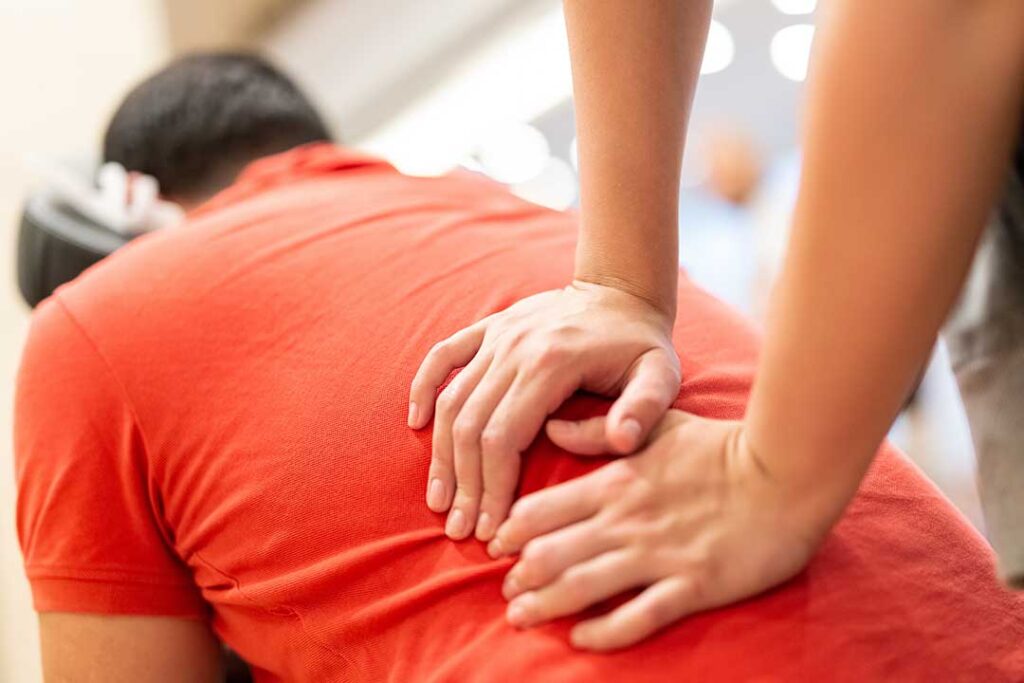
How much should a child’s backpack weigh?
A child’s backpack should generally weigh no more than 10% to 15% of the child’s body weight when fully packed. For a 60-pound child, that means a backpack weighing about 6 to 9 pounds.
The lower end of that range may be more appropriate for younger children, children who walk longer distances, or anyone already experiencing discomfort. Weight guidelines are useful starting points, but they do not account for every child’s strength, body size, walking habits, or medical history.
A backpack that feels manageable for a short walk may become uncomfortable during a longer walk to school, while standing on a bus, climbing stairs, or carrying additional items such as sports equipment, lunch, or musical instruments.
What happens when a backpack is too heavy?
A heavy backpack increases the work required from the muscles of the back, neck, shoulders, and abdomen. Children may lean forward, round their shoulders, shorten their stride, or shift their body to one side to compensate.
These changes can contribute to:
- Aching in the lower or upper back
- Neck and shoulder discomfort
- Muscle fatigue
- Pressure or tingling around the shoulder straps
- Headaches related to muscle tension
- Reduced balance while walking
- Difficulty standing upright after carrying the bag
The backpack itself does not usually cause a permanent spinal deformity in an otherwise healthy child. However, repeated overloading can create avoidable strain and may worsen existing discomfort or movement problems.
Children may also continue carrying a heavy bag even when it hurts because they assume soreness is normal. Persistent pain should not be dismissed as simply part of growing up.
Does carrying a backpack cause poor posture?
A heavy or poorly fitted backpack can temporarily change posture, but it does not automatically create permanent poor posture. Children often adjust their position to keep the load from pulling backward or sideways.
For example, a child may:
- Bend forward at the waist
- Lift the shoulders toward the ears
- Lean to one side
- Swing the backpack while walking
- Carry the bag on one shoulder
- Tighten the neck and upper back muscles
These adjustments may reduce discomfort for a few minutes, but they can place uneven demands on the body. Wearing the backpack correctly and reducing unnecessary contents usually helps the child move more naturally.
A backpack should sit close to the body, with the bottom resting near the waist rather than hanging well below it. The bag should not extend far below the child’s lower back or press against the back of the knees.
Why do two-strap backpacks matter?
Using both shoulder straps spreads the load across both sides of the upper body. Using one strap shifts more of the weight to one shoulder and may encourage the child to lean or rotate while walking.
Both straps should be adjusted so that:
- The backpack rests evenly on the back
- The shoulder straps are snug but not restrictive
- The bag does not pull backward
- The bottom sits near the waist
- The child can move the arms freely
Padded straps may improve comfort, especially when the contents include books, electronic devices, or hard-edged objects. A chest strap can help stabilize the bag, although it should never be tightened enough to interfere with normal breathing.
How can families reduce the load?
The most effective approach is to remove items that do not need to travel back and forth each day. Families can help children establish a simple routine for checking the bag before leaving home.
Useful steps include:
- Emptying old papers and food containers regularly
- Carrying only the books needed for that day
- Using lightweight folders and notebooks when practical
- Keeping heavier items close to the child’s back
- Placing smaller items in outer pockets only when they do not make the bag unstable
- Checking the backpack’s weight once in a while
- Using classroom storage, lockers, or home study materials when available
- Avoiding the habit of carrying extra items “just in case”
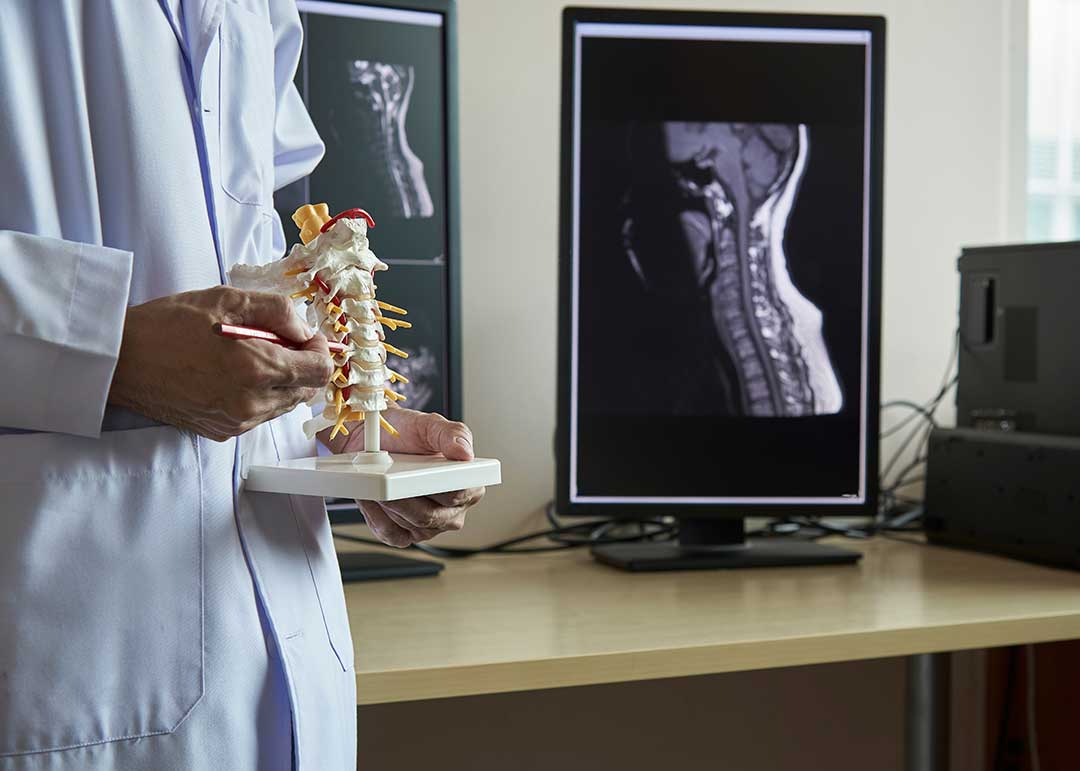
During the school year, children may carry more than expected because of changing schedules, homework, after-school activities, and weather-related items. In a community where families may walk, use public transportation, or combine school travel with errands, the total time spent carrying the bag can matter as much as the distance.
Are rolling backpacks safer?
Rolling backpacks can reduce the load carried directly on the shoulders, but they are not ideal for every situation. They may be difficult to pull over uneven sidewalks, stairs, snow, wet pavement, or crowded walkways. Pulling a bag repeatedly with one arm can also strain the wrist, elbow, shoulder, or side of the body.
A rolling option may be useful for a child who cannot safely carry a backpack, but the bag should still be kept light and easy to maneuver. Children should not be expected to drag a heavy load simply because wheels are attached.
How should a child lift a loaded backpack?
A full backpack should be lifted carefully rather than quickly pulled from the floor with one hand. Children can place the bag upright, bend at the knees, use both hands, and bring it close to the body before putting it on.
It is safer to avoid twisting while lifting. If the bag is too heavy for the child to put on without straining, that is a practical sign that the load needs to be reduced.
Which symptoms should parents take seriously?
Occasional mild fatigue after carrying school materials may improve after the backpack is removed and the child rests. Pain that continues, returns frequently, or interferes with normal activities deserves closer attention.
Families should seek medical guidance if a child has:
- Numbness, tingling, or weakness in an arm or hand
- Pain that persists after the backpack is removed
- Pain that wakes the child at night
- Difficulty walking, running, or participating in usual activities
- Repeated headaches associated with neck or shoulder tension
- Noticeable limping or one-sided weakness
- Back pain after a fall or other injury
- A backpack-related problem combined with fever or unexplained illness
Backpack discomfort can sometimes be related to factors beyond weight, including an injury, poor sleep, limited physical conditioning, vision problems, or another health issue. The goal is not simply to adjust the straps but to understand why symptoms are occurring.
What is the practical takeaway for local families?
A well-fitted backpack that stays below roughly 10% to 15% of body weight is a reasonable safety target. The bag should be worn on both shoulders, kept close to the body, packed with heavier items near the back, and emptied of unnecessary contents.
Checking the backpack at the beginning of each school term—and again after schedules change—can prevent small problems from becoming recurring sources of pain. Children should also know that persistent discomfort, tingling, weakness, or difficulty moving is worth telling a parent, teacher, school nurse, pediatric clinician, or another appropriate health professional.
