
If you live in Lynbrook, NY, chances are you lead a busy lifestyle—balancing commutes on the Long Island Rail Road, keeping up with nearby parks like Greis Park, and managing an active household. Minor back strains are a common complaint in this dynamic community, whether from gardening, weekend sports, or even lifting heavy grocery bags from local markets. Fortunately, there are several safe and effective home remedies that can help manage these aches and pains before you need to seek professional help.
Understanding Minor Back Strains
A minor back strain typically involves tiny tears in the muscles or ligaments in your back. These injuries can occur suddenly—from a quick twist, awkward lift, or even prolonged poor posture—or may develop over time due to repetitive movements. Typical symptoms include mild to moderate pain, stiffness, and sometimes mild swelling, but not severe pain, numbness, or weakness (which require prompt medical evaluation).
When Should You See a Chiropractor or Doctor?
Before jumping into home remedies, keep in mind that some symptoms indicate a need for professional help:
- Severe or worsening pain
- Numbness, tingling, or weakness in your legs
- Loss of bladder or bowel control
- Pain after a major fall or accident
Otherwise, for routine minor strains, local residents can safely try the following home remedies.
Home Remedies for Minor Back Strains
1. Rest—But Not Too Much
A little rest is important for recovery, especially in the first 24-48 hours. Avoid activities that aggravate your pain, but don’t stay in bed all day—excessive rest can actually delay healing and cause more stiffness. Instead, try gentle movement around your Lynbrook home or a short walk in the neighborhood once the sharp pain subsides.
2. Apply Cold Therapy
For the first 24-48 hours after a strain, apply a cold pack (or a bag of frozen peas wrapped in a towel) to your back for 15-20 minutes every 2-3 hours. Cold helps reduce inflammation and numb the area. Many Lynbrook homes keep these basics handy, so you don’t need anything fancy.
3. Gentle Heat Application
After the first couple of days, switch to heat—like a warm towel, heating pad, or even a gentle warm shower. Heat increases circulation and relaxes tight muscles. Just remember: avoid extreme heat and keep sessions to 15-20 minutes.
4. Over-the-Counter Pain Relief
Anti-inflammatory medications like ibuprofen or naproxen (used as directed) can help manage pain and swelling. Check with your pharmacist if you have questions about interactions, especially if you regularly visit local pharmacies in Lynbrook.
5. Simple Stretches and Movement
Once the initial pain begins to lessen, gentle stretching helps restore flexibility and strength. Here are a few safe options:
- Knee-to-chest stretch: Lying on your back, gently draw one knee to your chest, hold for 10-15 seconds, and repeat on the other side.
- Pelvic tilts: Lie on your back with knees bent, tighten your abdominal muscles, and gently flatten your back against the floor.
- Standing hamstring stretch: While standing, extend one foot in front with heel on the floor and gently lean forward, keeping your back straight.
Try these on a soft surface at home or at your favorite Lynbrook park, but avoid any movements that cause pain.
6. Maintain Good Posture
Whether you’re working from home, commuting to New York City, or relaxing on the couch, pay attention to your posture.
- Keep your back straight and shoulders relaxed.
- Use a chair with support if you’re sitting for long periods.
- Take regular breaks to stand, stretch, and move.
7. Epsom Salt Baths
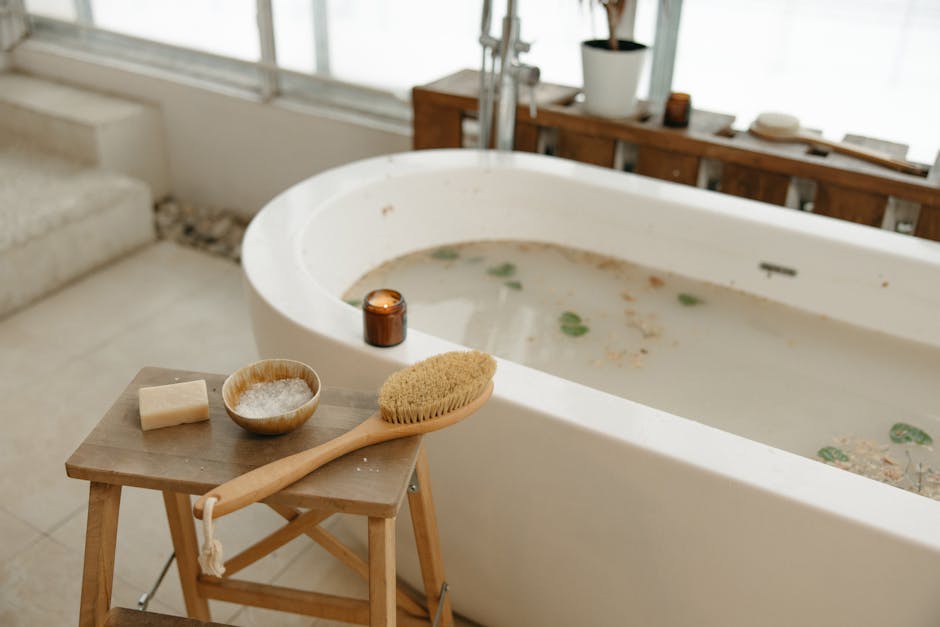
A classic remedy in many Lynbrook households, warm Epsom salt baths can help relax aching muscles. Just add a couple of cups to a warm bath and soak for 15-20 minutes. The magnesium in Epsom salts is absorbed through the skin and can reduce muscle soreness and stiffness.
8. Stay Hydrated and Eat Well
Good nutrition and hydration support your body’s healing. Load up on lean proteins, fruits, and leafy greens from local Lynbrook markets, and drink plenty of water to keep your tissues hydrated.
9. Avoid Heavy Lifting and Twisting
Prevent further injury by steering clear of heavy household chores, shoveling, or lifting for a few days. If you must carry something, use your legs—not your back—and keep the load close to your body.
Prevention Tips for the Lynbrook Lifestyle
- Warm up before recreational activities at Greis Park or other local spots.
- Strengthen your core muscles with simple exercises at home or in local fitness classes.
- Pay attention to ergonomics if you’re working remotely or have a home office setup.
Final Thoughts: Listen to Your Body
While minor back strains usually improve within a few days to a week, it’s important to listen to your body. If pain persists or worsens, or if you have any doubt about your symptoms, consult a chiropractor or healthcare professional familiar with the Lynbrook area. Early intervention ensures your back stays strong—so you’re ready to enjoy all the best that our vibrant community has to offer!
