
Are stretches helpful for tension headaches?
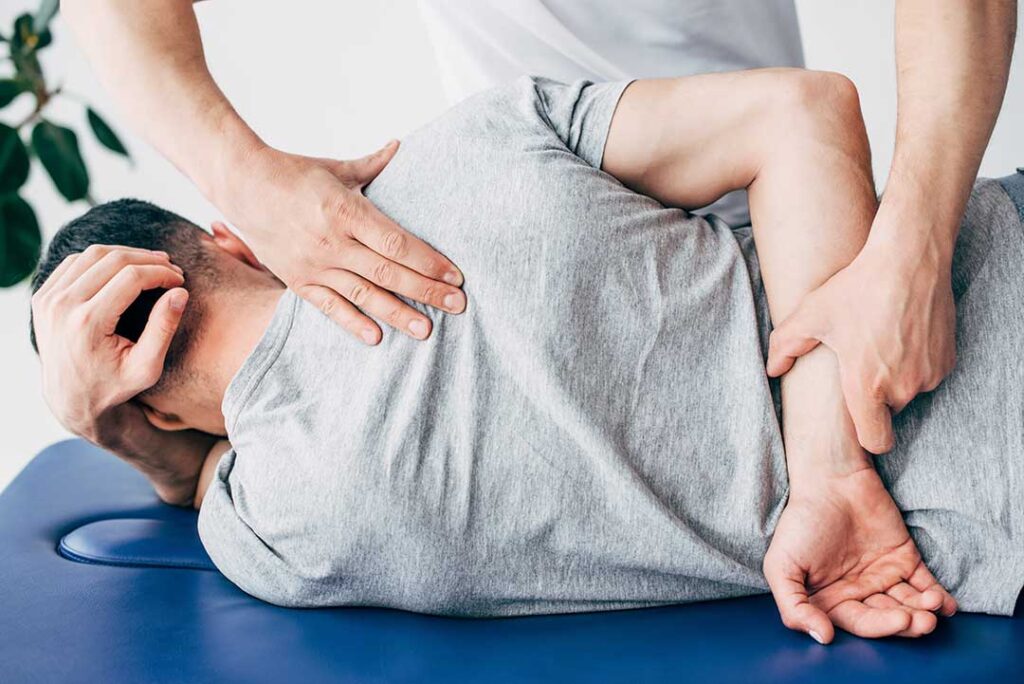
Gentle stretching may ease a tension-type headache when tight muscles in the neck, shoulders, upper back, scalp, or jaw are contributing to discomfort. These headaches often feel like pressure, tightness, or a steady ache rather than intense throbbing.
Stretching is not a cure for every headache, and it should not cause sharp pain, dizziness, numbness, or worsening symptoms. The goal is relaxed, controlled movement that reduces muscle guarding rather than forcing the neck into a deep position.
For residents balancing commuting, desk work, household tasks, school schedules, or long periods of phone use, short movement breaks may be more useful than a single long stretching session.
What should be done before stretching?
Begin with two or three minutes of easy movement. Sit or stand comfortably, let the shoulders drop, and take several slow breaths. A warm shower, warm towel, or low-heat compress across the neck and shoulders may also help muscles relax before movement.
Keep the following principles in mind:
- Move slowly and stay within a comfortable range.
- Hold a stretch for about 15 to 30 seconds without bouncing.
- Breathe normally instead of holding the breath.
- Repeat each movement once or twice.
- Stop if symptoms spread into the arm, cause tingling, or make the headache noticeably worse.
A person experiencing a severe headache may prefer quiet rest, hydration, and gentle breathing before attempting any neck movement.
Which neck stretches may relieve tightness?
Chin tuck
A chin tuck can counter the forward-head position that often develops during computer, tablet, or phone use.
Sit upright with the back of the head balanced over the shoulders. Without looking down, gently draw the chin straight backward, as if making a small double chin. Hold for five seconds, then relax. Repeat five to eight times.
This is a small movement. Do not push the head backward or tip the face toward the ceiling.
Upper trapezius stretch
The upper trapezius muscles run from the base of the skull toward the shoulders and often become tense during stress or prolonged sitting.
Sit with the right hand resting under the thigh or behind the back. Slowly tilt the left ear toward the left shoulder until a mild stretch is felt along the right side of the neck. Keep the face pointing forward. Hold, then switch sides.
Avoid pulling firmly on the head. The opposite shoulder should remain relaxed rather than rising toward the ear.
Levator scapulae stretch
This stretch targets a muscle that connects the upper shoulder blade to the neck and can become tight from carrying bags, working at a counter, or looking downward.
Turn the head about 45 degrees to the left, then gently angle the chin toward the left armpit. A stretch may be felt along the back and side of the right neck. Hold briefly, return to center, and repeat on the other side.
The movement should remain comfortable. Do not combine it with forceful pressure from the hand.
Gentle neck rotation
Neck rotation helps reduce stiffness without requiring a deep stretch.
Keep the shoulders still and slowly turn the head to the right until a mild stretch is felt. Return to center and turn left. Perform three to five repetitions on each side.
If the neck feels stiff, use a smaller range. The head does not need to turn equally far in both directions.
Chest-opening stretch
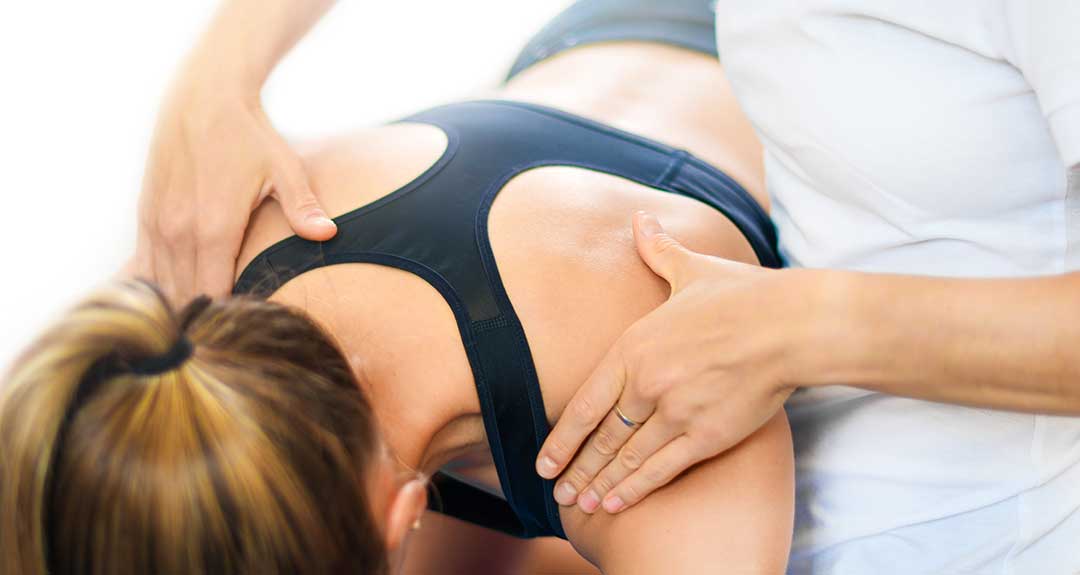
Tight chest muscles can encourage rounded shoulders, which may increase the workload on the neck and upper back.
Stand in a doorway with the forearms resting lightly on the frame, elbows below shoulder height. Step forward a small amount until a gentle stretch is felt across the chest. Hold for 15 to 20 seconds while keeping the ribs relaxed and the lower back neutral.
This stretch should not cause shoulder pinching or numbness in the hands.
Can shoulder and upper-back movement help?
Yes. Head and neck tension is not always limited to the neck itself. The shoulder blades and upper back influence how the neck muscles work.
Try slow shoulder rolls, moving the shoulders up, back, down, and forward in a smooth circle. Perform five repetitions in each direction. Next, gently squeeze the shoulder blades together without shrugging. Hold for three to five seconds and repeat five times.
A seated upper-back stretch can also be useful. Place both hands behind the head, keep the elbows comfortably wide, and gently lift the breastbone while looking straight ahead. Do not arch forcefully or push the head backward.
These movements are especially practical during a workday or after driving. In colder months, people may also spend more time indoors, seated near screens or in fixed positions, making brief movement breaks helpful.
What about the jaw and breathing?
Jaw clenching can add to tension around the temples, face, and upper neck. Let the tongue rest gently on the roof of the mouth, keep the lips together, and allow the teeth to remain slightly apart. Slowly open and close the jaw a few times without forcing it.
Pair this with slow breathing. Inhale through the nose for about four seconds and exhale for four to six seconds. Repeat for one or two minutes. Longer exhalations may help reduce the muscle bracing that often accompanies stress.
Avoid aggressive jaw stretching if there is clicking, locking, significant pain, or difficulty opening the mouth.
How often should these stretches be performed?
A brief routine once or twice daily may be reasonable, with additional movement breaks during long periods of sitting. Many people benefit from changing position every 30 to 60 minutes rather than waiting until the neck feels rigid.
Stretching should complement, not replace, basic headache habits such as regular meals, adequate fluids, consistent sleep, screen breaks, and attention to eyeglass or workstation needs. A headache diary can help identify patterns involving stress, jaw clenching, sleep, posture, weather changes, or extended screen use.
When should a headache not be treated with stretching?
Seek urgent medical care for a sudden, extremely severe headache or head pain accompanied by weakness, numbness, confusion, fainting, trouble speaking, vision changes, fever, a stiff neck, repeated vomiting, or a recent head injury.
A medical evaluation is also appropriate when headaches are new, becoming more frequent, changing in character, repeatedly waking someone from sleep, or occurring with unexplained weight loss or other concerning symptoms. Stretching is not appropriate for every cause of head pain, and recurring headaches should not automatically be assumed to result from posture or muscle tension.
When symptoms are mild and familiar, gentle movement may provide relief. When symptoms are unusual, severe, or progressively worsening, identifying the cause matters more than trying to stretch through the discomfort.
