

Migraine is more than an ordinary headache. It can involve throbbing or pulsing pain, nausea, vomiting, sensitivity to light or sound, visual changes, and difficulty functioning. For residents of Lynbrook, NY, chiropractic care may offer limited support for some migraine-related symptoms, particularly when neck pain, muscle tension, or posture appears to contribute. It should generally be considered complementary care rather than a replacement for medical diagnosis or migraine treatment.
Can chiropractic care help reduce migraines?
It may help some people, but the evidence remains limited and mixed. Research suggests that spinal manipulation and other manual therapies may reduce migraine frequency or intensity for certain patients, especially when migraines occur alongside neck discomfort or restricted movement. However, studies have often been small or varied in quality, so chiropractic care cannot be described as a proven cure.
A reasonable goal is symptom management. Care may focus on reducing musculoskeletal tension, improving neck movement, and identifying habits that appear to trigger or worsen attacks. Results differ substantially from person to person.
Why might the neck matter?
The nerves, muscles, and joints of the upper neck communicate with pain-processing areas involved in headache disorders. Irritation or tension in this region may not cause every migraine, but it can add to a person’s overall sensitivity to pain.
Common contributors include:
- Prolonged looking down at a phone or laptop
- Sleeping with the neck in an awkward position
- Jaw clenching or teeth grinding
- Repetitive lifting or carrying
- Sustained driving or desk work
- Shoulder tension related to stress
- Limited movement during long periods indoors
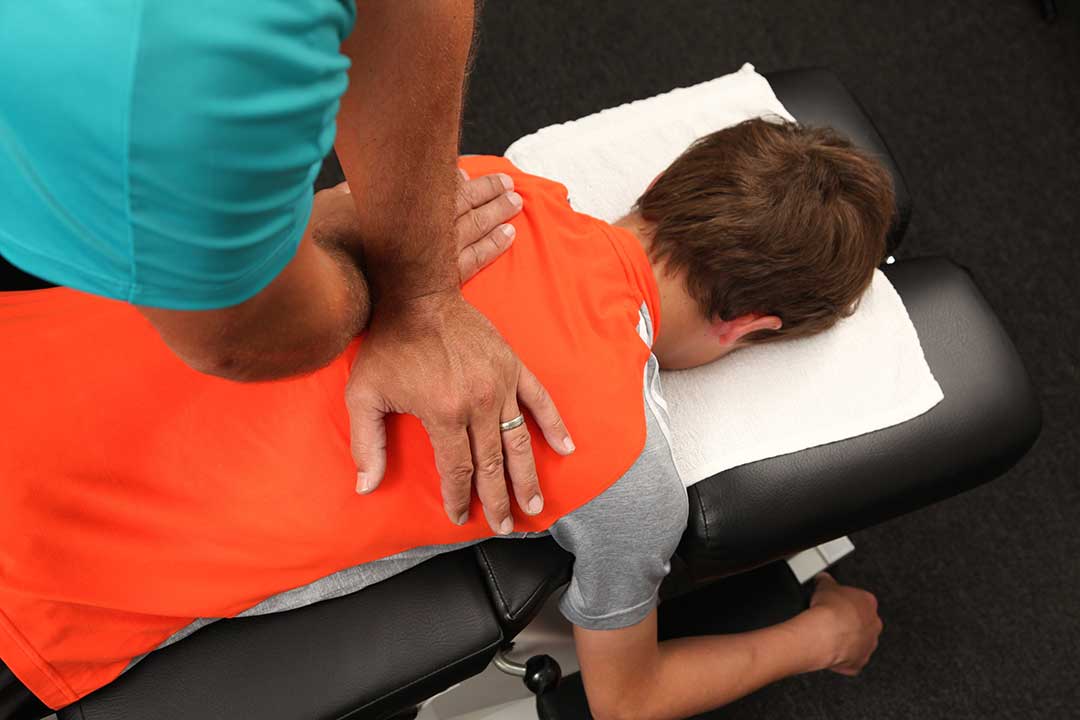
Manual treatment may include gentle joint mobilization, soft-tissue work, stretching, or exercises. High-velocity neck manipulation is not automatically appropriate for someone with migraine and should not be assumed to be necessary.
What does the research actually show?
Studies have found possible improvements in migraine days, pain intensity, and disability after spinal manipulation, but the findings are preliminary. It is also difficult to separate the effect of manipulation from other parts of care, such as exercise, education, relaxation, improved sleep habits, or natural changes in migraine frequency.
This matters because migraines are neurological disorders, not simply problems caused by a “misaligned” spine. A neck adjustment does not correct the underlying biology of migraine, and claims that chiropractic care can eliminate migraines for everyone are not supported by reliable evidence.
For some people, the most useful part of care may be identifying a physical aggravator, such as neck stiffness or muscle guarding, and addressing it with conservative methods.
When might this approach be more reasonable?
Chiropractic care may be worth discussing as part of a broader plan when a person has:
- Migraine episodes accompanied by neck pain or stiffness
- Headaches that worsen after prolonged computer or phone use
- Recurrent muscle tension in the shoulders or upper back
- A pattern of symptoms linked to posture, sleep position, or physical strain
- A preference for adding non-drug strategies to an existing treatment plan
A headache diary can help clarify whether treatment is helping. Record the date, duration, symptoms, possible triggers, menstrual timing when relevant, sleep, meals, hydration, medications, and any manual treatment received. Improvement should be measured over several weeks rather than judged after one session.
Is chiropractic care safe for migraine?
Many people experience only temporary soreness, fatigue, or mild discomfort after manual treatment. Neck manipulation deserves particular caution because rare serious complications, including blood-vessel injury and stroke, have been reported after upper-neck procedures. Research has not established that manipulation directly causes every reported event, but the potential severity means informed decision-making is necessary.
A person should disclose relevant medical history before treatment, including:
- Previous stroke or transient ischemic attack
- Blood-clotting disorders
- Use of blood-thinning medication
- Recent neck injury
- Severe osteoporosis
- Rheumatoid arthritis or other inflammatory joint disease
- Known artery problems
- Neurological symptoms that have not been evaluated
Gentler approaches, such as mobility exercises, posture changes, and soft-tissue techniques, may be more appropriate for some individuals than forceful neck manipulation.
When should a headache be evaluated urgently?
A new or unusually severe headache should not automatically be treated as a migraine. Seek urgent medical evaluation for a headache that:
- Reaches maximum intensity suddenly
- Follows a head or neck injury
- Occurs with weakness, numbness, fainting, confusion, or trouble speaking
- Causes a new loss of vision or double vision
- Comes with fever, stiff neck, or a widespread rash
- Is accompanied by repeated vomiting or severe dehydration
- Begins during pregnancy or shortly after delivery
- Is substantially different from previous headaches
- Progressively worsens or changes in pattern
These symptoms can indicate conditions that require prompt medical assessment rather than manual treatment.
How does chiropractic care fit with standard migraine treatment?
Migraine management may include acute medications, preventive medication, sleep regularity, hydration, physical activity, stress management, and treatment of related conditions such as anxiety, jaw tension, or sleep disorders. Chiropractic care, if used, should fit around an established diagnostic and treatment plan.
Stopping prescribed medication because of improvement after manual therapy can be risky. Frequent use of acute headache medication can also contribute to medication-overuse headache, so medication patterns should be reviewed with a qualified medical clinician.
Residents may also notice seasonal factors that affect headaches. Changes in temperature, storm systems, indoor heating, dehydration during hot weather, irregular holiday schedules, and disrupted sleep can all coincide with migraine episodes. These factors do not prove that weather causes a migraine, but tracking them may reveal useful personal patterns.
What should someone ask before trying it?
Useful questions include:
- What type of headache is being considered?
- Could the symptoms indicate a neck-related headache, migraine, or another condition?
- What techniques are being proposed?
- Is forceful neck manipulation necessary?
- What side effects should be reported?
- How will progress be measured?
- What other treatments or evaluations may be appropriate?
The clearest answer is that chiropractic care may help some people with migraine-related pain, particularly when neck and muscle factors are involved, but it is not a universal treatment or a substitute for medical evaluation. A cautious, individualized approach is more appropriate than relying on broad promises about spinal alignment or permanent migraine relief.
