
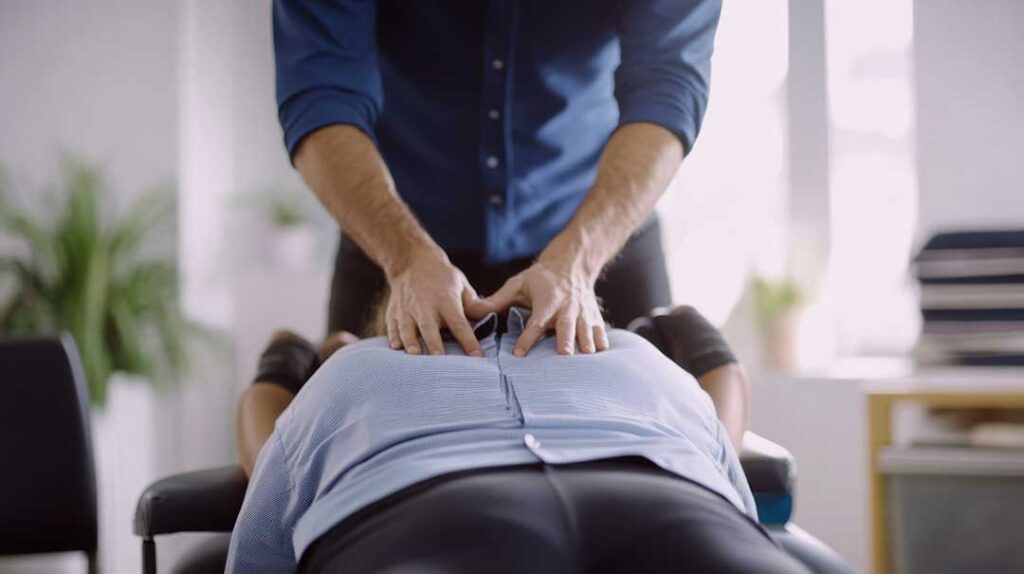
Regular spinal maintenance is best understood as an ongoing approach to movement, strength, posture, and symptom awareness—not as a promise that every health problem can be prevented. For many people, consistent attention to the spine may help support comfortable movement and reduce the effects of recurring strain.
The term “spinal maintenance” can include clinical assessment, manual therapy, exercise, mobility work, ergonomic changes, and habits that support the back and neck. The right combination depends on a person’s symptoms, health history, physical demands, and goals.
What does regular spinal maintenance mean?
Regular spinal maintenance means paying attention to spinal health before discomfort becomes disruptive. It may involve periodic check-ins with a qualified healthcare practitioner, but it also includes the daily behaviors that influence how the back and neck function.
A maintenance approach commonly focuses on:
- Maintaining mobility in the spine, hips, and shoulders
- Building strength in the abdominal, back, hip, and leg muscles
- Improving tolerance for sitting, standing, lifting, and walking
- Recognizing early signs of overuse or recurring strain
- Adjusting activities before minor discomfort becomes more limiting
Spinal maintenance should not mean receiving the same treatment on a fixed schedule regardless of symptoms. A reasonable plan changes over time and should be based on progress, function, and individual risk factors.
Can regular care help prevent back pain?
It may help some people manage recurring discomfort, but prevention is not guaranteed. Research on spinal manipulation and related therapies shows that some people with low-back pain experience short-term improvements in pain or function. Evidence is stronger for combining hands-on care with active strategies such as exercise and self-management than for relying on passive treatment alone.
Back pain can result from many factors, including:
- Sudden increases in activity
- Repetitive lifting or bending
- Weakness or reduced conditioning
- Poor sleep and prolonged stress
- Joint or disc changes
- Injuries, falls, or vehicle collisions
- Medical conditions unrelated to ordinary mechanical strain
Regular movement and gradual conditioning are generally more useful for long-term spinal health than trying to keep the spine in a permanently “perfect” position. Bodies are designed to move, and normal variation in posture is not automatically harmful.
What are the potential benefits?
The possible benefits depend on the person and the methods used. Regular attention to spinal health may support:
Improved movement
Gentle mobility work and strengthening can make it easier to turn, reach, walk, climb stairs, or get up from a chair. This can be particularly useful for people whose routines involve long periods of sitting, commuting, desk work, or household tasks.
Better awareness of strain
People often notice discomfort only after it begins interfering with sleep, work, or recreation. Routine attention to movement patterns may help identify habits such as carrying loads on one side, working from a poorly arranged home office, or repeatedly lifting with a rounded back.
Support during recurring episodes
Some individuals experience repeated bouts of low-back or neck pain. A maintenance plan may help them recognize early warning signs and respond with appropriate activity changes, mobility exercises, heat, rest from aggravating tasks, or medical evaluation when needed.
Greater confidence with activity
Fear of movement can lead to unnecessary inactivity, which may reduce strength and make ordinary tasks feel harder. A gradual plan can help people return to walking, recreational exercise, gardening, home projects, or other activities without treating every sensation as a sign of damage.
Reduced reliance on passive care
The most useful long-term plan usually gives a person practical skills to use independently. Exercises, lifting strategies, pacing, and workstation adjustments can continue helping between visits or after formal care ends.
Is spinal manipulation necessary for maintenance?
No. Spinal manipulation is one possible component of care, not a requirement for maintaining a healthy back or neck. Other approaches may include exercise instruction, joint mobilization, stretching, education, soft-tissue techniques, or referral for additional evaluation.
For chronic low-back pain, clinical guidance commonly supports active treatments such as structured exercise and self-management. Spinal manipulation may be considered for some people, but its benefits are usually modest and vary between individuals.
A maintenance plan should be reviewed if it does not improve function, if symptoms return more often, or if treatment is being continued without a clear purpose. More care is not automatically better care.
How often should someone receive spinal care?
There is no universal schedule. Frequency should depend on symptoms, response to care, physical demands, age, previous injuries, and medical conditions.
Someone recovering from a recent strain may need short-term guidance, followed by less frequent monitoring as function improves. Another person may benefit more from an exercise-based routine and occasional reassessment. A person without pain may not need routine spinal manipulation at all.
Useful questions include:
- What specific problem is this plan addressing?
- How will improvement be measured?
- What can be done independently at home?
- When should care be reduced, changed, or stopped?
- Are there medical reasons to use a different approach?

These questions help distinguish purposeful maintenance from an indefinite routine that lacks measurable goals.
What daily habits support spinal health in Lynbrook?
Local residents may spend much of the year balancing desk work, commuting, household responsibilities, walking, and seasonal outdoor tasks. Cold weather can also make people less active, while spring and summer projects may involve sudden increases in lifting, gardening, cleaning, or recreational activity.
Practical habits include:
- Take brief movement breaks during long periods of sitting.
- Change positions instead of trying to hold one posture all day.
- Increase exercise gradually after a less active winter.
- Warm up before strenuous yardwork, sports, or home projects.
- Keep frequently used items at a comfortable height.
- Lift by keeping the load close and turning with the feet rather than twisting.
- Use supportive footwear for extended standing or walking.
- Prioritize sleep, since fatigue can affect coordination and pain sensitivity.
A short daily walk, regular strengthening, and simple mobility exercises may provide more lasting value than occasional intensive treatment followed by long periods of inactivity.
When should back or neck pain be evaluated promptly?
Most ordinary strains improve with time and appropriate movement, but certain symptoms require timely medical attention. Seek prompt evaluation for pain associated with:
- New weakness in an arm or leg
- Progressive numbness or loss of coordination
- Loss of bladder or bowel control
- Numbness in the groin or inner-thigh region
- Fever, unexplained weight loss, or feeling seriously unwell
- Significant trauma, such as a fall or collision
- Severe pain that is worsening or not improving
- A history of cancer, serious infection, or conditions affecting bone strength
Neck manipulation deserves particular caution for people with relevant vascular or neurological risk factors. Sudden severe headache, dizziness, vision changes, difficulty speaking, facial drooping, or unusual weakness after neck movement should be treated as an emergency.
The practical meaning of spinal maintenance
Healthy spinal care is less about keeping the spine perfectly aligned and more about preserving useful movement, strength, confidence, and participation in daily life. Hands-on care may help selected people, especially when paired with exercise and clear self-management guidance, but it should not replace evaluation of concerning symptoms or treatment for an underlying medical condition.
For households in Lynbrook, a sensible approach is usually gradual activity, varied movement, attention to early warning signs, and a plan that becomes more independent over time.
