
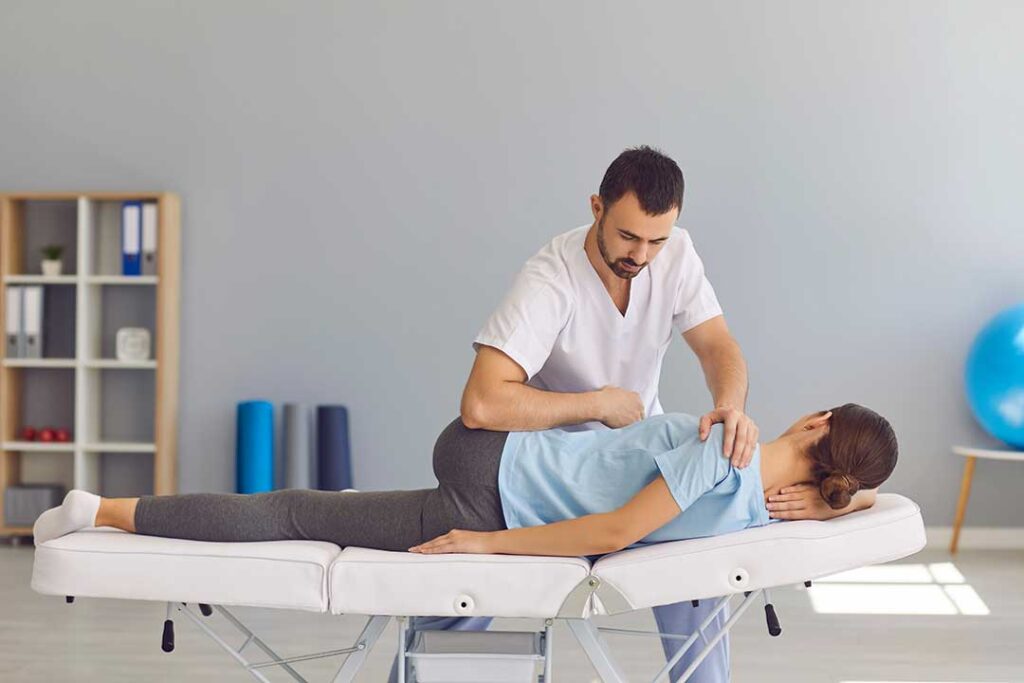
Living with stiffness, reduced flexibility, or recurring aches can make ordinary activities—walking to the train, climbing stairs, gardening, or standing from a chair—feel more difficult than they should. Natural approaches to improving mobility generally focus on consistent movement, strength, balance, sleep, and habits that reduce unnecessary strain.
Mobility work is not limited to stretching, and it does not require intense exercise. The most useful plan is usually gradual, practical, and suited to a person’s current abilities.
What does mobility mean?
Mobility is the ability to move a joint and the surrounding body comfortably through the range needed for daily activities. It depends on several factors:
- Joint movement
- Muscle flexibility
- Strength and coordination
- Balance and confidence
- Nervous-system control
- Pain levels and recovery
Flexibility refers mainly to how far a muscle or joint can move. Mobility also includes whether a person can control that movement. For example, someone may be able to raise a leg while lying down but still have difficulty stepping onto a curb because of weakness, balance concerns, or discomfort.
Improving mobility does not mean forcing joints into extreme positions. It means making normal movements easier, steadier, and more comfortable.
Which natural habits help most?
Regular, moderate movement is usually more helpful than occasional intense exercise. Short periods of activity spread throughout the day can reduce stiffness and help the body tolerate daily demands.
Useful options include:
- Walking at a comfortable pace
- Gentle cycling
- Water-based exercise
- Controlled bodyweight movements
- Light resistance training
- Range-of-motion exercises
- Balance practice near a stable surface
For many residents, indoor movement becomes especially useful during cold, wet, or icy weather. A hallway walk, repeated chair stands, gentle marching in place, or a short mobility routine can help maintain activity when outdoor conditions are unpleasant.
The goal is not to eliminate every sensation of effort. Mild muscle fatigue is expected, but sharp pain, increasing numbness, or a feeling that a joint is giving way should not be ignored.
How can stretching improve movement?
Stretching may help when muscles feel tight, but it works best when performed gently and consistently. A stretch should create mild tension rather than pain, burning, or a pulling sensation in a joint.
A basic routine can include:
1. A few minutes of easy walking or marching to warm up.
2. Gentle calf, hip, chest, and upper-back stretches.
3. Holding each position for approximately 15 to 30 seconds.
4. Repeating each stretch once or twice without bouncing.
5. Breathing normally throughout the movement.
Dynamic movements—such as slow arm circles, controlled leg swings, or repeated heel raises—may be more appropriate before activity. Longer, relaxed stretches are often more comfortable after the body is warm.
Stretching alone may not correct mobility limitations caused by weakness, poor coordination, joint irritation, or an underlying medical condition. Pairing flexibility work with strengthening is often more effective.
Why does strength matter for mobility?
Strength gives the body the control needed to use available movement safely. Weak hips, legs, abdominal muscles, or upper-back muscles can make walking, lifting, and stair use more demanding even when flexibility is adequate.
Simple exercises may include:
- Sitting down and standing up from a firm chair
- Wall push-ups
- Heel raises while holding a counter
- Step-ups on a low, stable step
- Glute bridges on a firm surface
- Light resistance-band rows
Begin with a small number of repetitions and focus on smooth control. The movement should be slow enough that posture does not collapse or momentum take over.
People with osteoporosis, recent surgery, significant arthritis, balance problems, or a history of falls may need a more carefully adjusted routine. The safest exercise level depends on health history and current symptoms.
Can daily posture and household habits affect mobility?
Yes. Mobility is influenced by what happens between exercise sessions. Long periods of sitting can make the hips, knees, and back feel stiff, particularly when a person remains in one position for hours.
Helpful adjustments include:
- Changing position every 30 to 60 minutes
- Taking brief walking breaks during desk or television time
- Keeping frequently used items within easy reach
- Avoiding repeated twisting while lifting
- Using both hands for heavier household objects
- Turning the whole body instead of rotating only the spine
- Wearing stable footwear during chores and outdoor walking

Older homes, narrow stairways, uneven walkways, and cluttered floors can create additional mobility challenges. Clear pathways, secure railings, adequate lighting, and dry entry areas may reduce unnecessary slips and awkward movements.
After snow, freezing rain, or heavy precipitation, outdoor surfaces can change quickly. Choosing a safer route or postponing a walk may be wiser than trying to push through hazardous conditions.
What role do sleep, hydration, and body weight play?
Recovery affects how well the body moves. Poor sleep can increase sensitivity to discomfort, reduce coordination, and make exercise feel harder. A consistent sleep schedule, a comfortable sleeping position, and regular wind-down habits may support better recovery.
Hydration is also relevant, especially during warm weather or physical activity. Water needs vary based on health conditions, medications, temperature, and exercise level. Excessive fluid intake is not necessary, but regularly going long periods without fluids may contribute to fatigue or cramping for some people.
Body weight can influence the load placed on the knees, hips, feet, and lower back. However, mobility should not be reduced to weight alone. Muscle strength, joint health, footwear, sleep, activity patterns, and previous injuries also matter. Movement plans should emphasize function and comfort rather than punishment or unrealistic goals.
Should soreness be expected?
Some mild muscle soreness can occur after beginning a new activity, particularly when unused muscles are challenged. This soreness typically improves with gentle movement and rest.
Pain that is sharp, severe, worsening, or associated with swelling requires more caution. Medical evaluation is appropriate for symptoms such as:
- New weakness or loss of coordination
- Numbness or tingling that persists or spreads
- Loss of bladder or bowel control
- A major injury or fall
- A hot, red, or visibly swollen joint
- Chest pain or unusual shortness of breath
- Pain that repeatedly wakes a person or does not improve
These symptoms may not be related to ordinary stiffness and should not be managed solely with home exercises.
How long does it take to notice improvement?
Some people feel less stiff after several days of regular movement, while meaningful gains in strength, balance, or walking tolerance often require several weeks. Progress is easier to maintain when the routine is realistic.
A practical starting point might be:
- Five minutes of gentle movement in the morning
- Brief activity breaks during the day
- Two or three light strengthening sessions each week
- A short stretch after walking or exercise
- Gradual increases in time, repetitions, or resistance
Tracking comfort, walking distance, stair confidence, or ease of getting out of a chair can show progress more clearly than focusing only on pain levels.
Mobility improves most reliably when activity is consistent, movements are controlled, and warning signs are respected. For local households managing changing weather, stairs, commuting, and routine chores, a modest daily plan can be more useful than an occasional demanding workout.
