
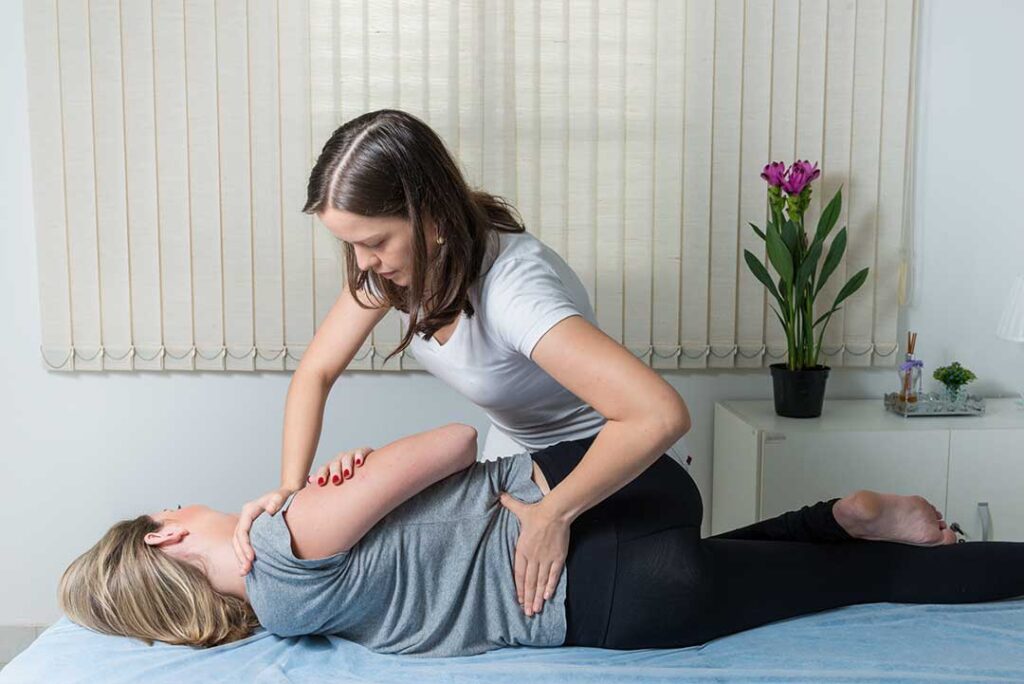
A healthy spine depends less on perfect posture or occasional treatments and more on consistent daily habits. Regular movement, sensible lifting, supportive sleep, and attention to warning signs can help local residents protect their backs during work, commuting, household tasks, and recreation.
What does it take to maintain a healthy spine?
Spine health is supported by strong muscles, flexible joints, healthy bones, and regular movement. The goal is not to keep the back rigid or avoid all bending. Instead, it is to build the strength and coordination needed to move comfortably and recover from normal physical demands.
Helpful habits include:
- Changing positions regularly instead of sitting or standing for long periods
- Building strength in the legs, hips, abdomen, and back
- Using controlled movements when lifting, reaching, or twisting
- Getting adequate sleep and maintaining a balanced diet
- Increasing activity gradually after periods of inactivity
Back discomfort can occur even when a person is generally healthy. A single awkward movement is not always a sign of serious damage, and soreness after unfamiliar activity does not necessarily mean the spine has been injured.
How much movement is helpful?
Adults generally benefit from at least 150 minutes of moderate-intensity aerobic activity each week, along with muscle-strengthening activity on two or more days. That activity can be divided into shorter periods, such as several walks throughout the day.
For residents managing desk work, commuting, household responsibilities, or limited free time, practical choices may include:
- Walking at a comfortable pace
- Taking the stairs when appropriate
- Performing body-weight exercises
- Practicing balance exercises
- Using gentle mobility movements during breaks
- Participating in activities such as swimming, cycling, yoga, or tai chi
The best routine is one that can be performed consistently and adjusted to a person’s fitness level. Someone who has been inactive should avoid starting with intense workouts or heavy lifting. A gradual increase in duration and resistance is usually easier for the body to tolerate.
During colder months, muscles may feel stiff before activity. A few minutes of easy walking and gentle movement can prepare the body better than immediately attempting strenuous exercise.
Does good posture mean sitting perfectly straight?
No. There is no single posture that prevents all back pain. Holding any position for too long can create discomfort, even if the position looks “correct.”
A more useful approach is to vary posture throughout the day. While sitting:
- Keep both feet supported when possible.
- Position the screen near eye level.
- Let the shoulders remain relaxed rather than elevated.
- Keep frequently used items within easy reach.
- Stand, walk, or stretch briefly every 30 to 60 minutes.
Home work areas often develop gradually, especially when people use dining tables, couches, or temporary setups. Small adjustments—such as raising a laptop, adding lower-back support, or moving a frequently used object closer—can reduce repeated bending and reaching.
Standing also requires variation. Avoid locking the knees or leaning to one side for long periods. When performing kitchen, laundry, or cleaning tasks, bring the work closer to the body instead of repeatedly reaching forward.
What is the safest way to lift?
Lifting is safer when the load is close to the body and the movement is planned. Before picking something up, estimate its weight, clear the path, and decide where it will be placed.
A practical lifting sequence is:
1. Stand close to the object with the feet positioned for balance.
2. Bend through the hips and knees rather than rounding only through the lower back.
3. Tighten the abdominal muscles gently.
4. Lift smoothly without jerking.
5. Turn with the feet instead of twisting the torso while carrying.
6. Set the object down with the same controlled approach.
Large boxes, wet laundry, bags of soil, and household items can become surprisingly heavy. Splitting a load into smaller portions or making another trip may place less strain on the back than trying to carry everything at once. If an object is too awkward to control, assistance may be necessary for safety.
How do sleep and daily routines affect the spine?
Sleep does not need to follow one universal rule, but comfort and support matter. Side sleepers may find that a pillow between the knees reduces strain. People who sleep on their backs may be more comfortable with support beneath the knees. Stomach sleeping can be uncomfortable for some people because it may increase neck rotation and lower-back extension.
A mattress or pillow does not need to be expensive to be useful. The most appropriate setup is one that allows restful sleep without persistent morning stiffness. Replacing a sleep position or pillow should be based on comfort and symptoms, not on advertising claims.
Daily routines also matter. Long car rides, extended screen time, and weekend projects can combine prolonged sitting with sudden physical effort. Breaking up travel, walking during pauses, and warming up before yardwork or recreational activity can help the body handle these transitions.

Can nutrition and body weight influence spine health?
Yes. Bones require adequate nutrients, including calcium and vitamin D, while muscles benefit from sufficient protein and overall balanced nutrition. A varied diet containing vegetables, fruits, whole grains, legumes, dairy or fortified alternatives, and other nutrient-dense foods supports general musculoskeletal health.
Body weight is only one part of spine health and should not be treated as a judgment about a person. However, carrying additional weight can increase mechanical demands on the back and may make movement more difficult. Sustainable changes in eating, sleep, and activity are generally more useful than extreme short-term programs.
Smoking can also interfere with tissue health and healing. Reducing or stopping tobacco use supports the spine as well as cardiovascular and respiratory health.
When should back or neck symptoms be evaluated?
Many episodes of mild back discomfort improve with continued gentle movement and a temporary reduction in activities that clearly worsen symptoms. Prolonged bed rest is generally not helpful for routine back pain.
Prompt medical evaluation is appropriate for pain accompanied by:
- New weakness in an arm or leg
- Numbness that is spreading or severe
- Loss of bladder or bowel control
- Numbness around the inner thighs or groin
- Fever, unexplained weight loss, or feeling seriously unwell
- Significant pain after a fall, collision, or other injury
- Pain that is severe, worsening, or not improving as expected
People with osteoporosis, a history of cancer, recent infection, or other significant medical conditions may need earlier evaluation after new symptoms. A chiropractor, physician, physical therapist, or other qualified clinician can help determine whether symptoms are mechanical or require additional testing. Chiropractic care may be one part of conservative management for some people, but persistent, unusual, or neurologic symptoms should not be self-managed indefinitely.
A practical spine-care routine
A reasonable daily plan is simple:
- Move for a few minutes after prolonged sitting.
- Walk or perform another enjoyable aerobic activity most days.
- Strengthen major muscle groups at least twice weekly.
- Lift with the load close and avoid twisting under pressure.
- Adjust home work areas to reduce repeated reaching and slouching.
- Sleep in a position that feels supported.
- Increase exercise gradually rather than making sudden changes.
These habits support the spine without requiring constant monitoring. The most useful focus is steady movement, sensible mechanics, and early attention to symptoms that are unusual, persistent, or worsening.
