
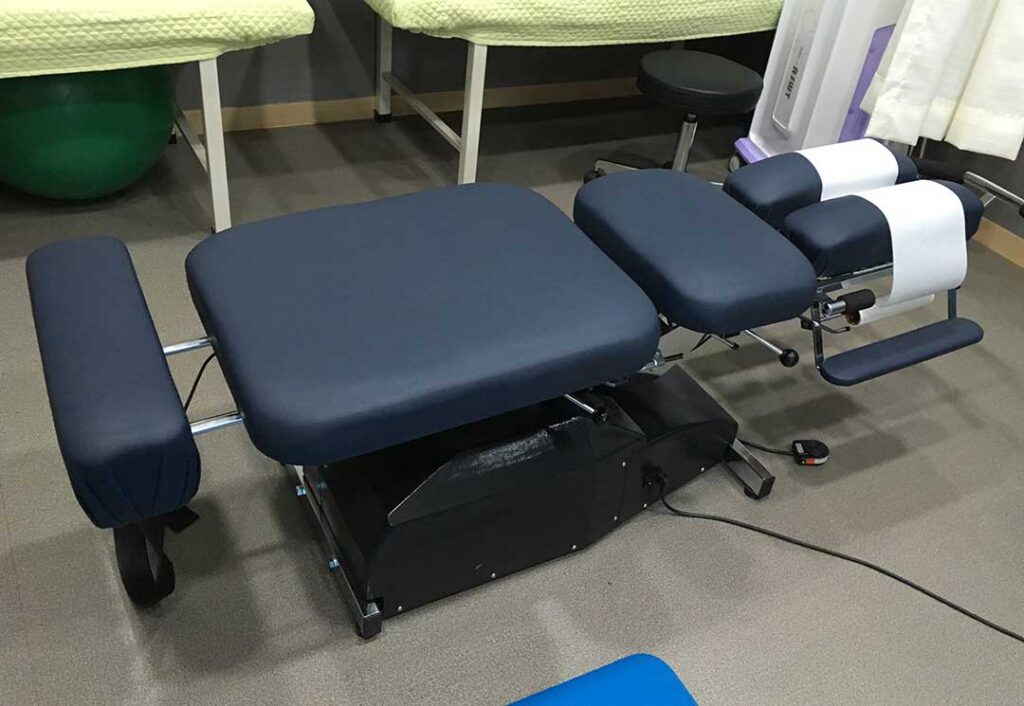
Sports injuries can affect more than the area that hurts. A strained muscle may change how someone walks, a sprained ankle may alter knee and hip movement, and a stiff back can limit training long after the original incident. Chiropractic care may help some people manage pain, restore movement, and return gradually to normal activity, but it works best as one part of a broader injury-recovery plan.
What types of sports injuries may benefit from chiropractic care?
Chiropractic care is most often considered for musculoskeletal problems involving the joints, muscles, tendons, ligaments, and spine. These injuries may occur during organized sports, recreational exercise, running, cycling, strength training, or physically demanding work.
Examples include:
- Low back pain after lifting, twisting, or repeated bending
- Neck and upper-back stiffness after contact or a sudden change in direction
- Joint restrictions involving the spine, shoulder, hip, or ankle
- Muscle strains and movement-related soreness
- Some overuse problems connected to poor mobility or altered mechanics
- Pain that continues after an injury has begun to heal
The approach depends on the injury. A chiropractor may use hands-on joint mobilization, spinal manipulation, soft-tissue techniques, movement exercises, and advice about activity modification. These methods are generally aimed at improving mobility and reducing symptoms rather than “putting” an injured body part back into place.
How can chiropractic treatment help after a sports injury?
The most useful role is often restoring comfortable movement so the injured area can gradually tolerate normal activity again. Limited motion in one joint may cause another area to work harder, creating additional soreness or making a person compensate during walking, running, or lifting.
A careful examination may identify:
- Whether pain is coming from a joint, muscle, tendon, nerve, or combination of structures
- Which movements increase or reduce symptoms
- Whether strength, balance, or flexibility has changed
- Whether the injury appears mild enough for conservative care
- Whether further medical evaluation or imaging is needed
For some people with uncomplicated low back pain, spinal manipulation or mobilization can provide modest short-term improvement in pain and function. Similar techniques may help selected cases of mechanical neck or joint pain. Results vary, and treatment should be adjusted if symptoms do not improve.
Chiropractic care should not be viewed as a way to speed healing regardless of the injury. A torn ligament, broken bone, significant tendon injury, or serious nerve problem requires a different level of assessment and care.
What happens during an evaluation?
An appropriate evaluation begins with the injury history. The timing, mechanism, pain pattern, swelling, bruising, weakness, and changes in activity all matter. A sports injury caused by a collision is assessed differently from pain that developed gradually during weeks of training.
The physical examination may include:
- Observation of posture, walking, or running
- Range-of-motion testing
- Strength and reflex checks
- Balance and coordination assessment
- Palpation of painful or swollen areas
- Functional movements such as squatting, reaching, or stepping
The goal is not simply to find a tender spot. It is to determine whether the symptoms fit a common mechanical injury or whether warning signs suggest something more serious.
If pain follows a hard fall, direct blow, or high-force collision, imaging or evaluation by another medical provider may be necessary. Manipulation should not be performed over a suspected fracture, unstable joint, severe swelling, or an area with unexplained neurological symptoms.
Is chiropractic care the same as physical therapy?
No. The two approaches may overlap, but they are not identical.
Chiropractic care may place greater emphasis on joint movement, spinal mobility, manual treatment, and coordination of the musculoskeletal system. Physical therapy commonly emphasizes progressive strengthening, endurance, balance, flexibility, and sport-specific function. Many athletes benefit from exercise-based rehabilitation regardless of whether hands-on treatment is also used.
Recovery is usually more durable when a person develops the strength and control needed for the demands of the sport. Manual care may reduce discomfort or improve motion temporarily, but exercises help the body tolerate repeated loading.
For example, someone with an ankle sprain may need more than treatment to reduce stiffness. Recovery may also require calf strengthening, balance drills, gradual jumping, and a staged return to cutting or running.
Can chiropractic care prevent sports injuries?

It may help address some contributing factors, but no treatment can prevent every injury. Injury risk is influenced by training volume, fatigue, previous injuries, technique, footwear, playing surface, sleep, age, conditioning, and the rules or contact level of a sport.
Movement assessments may reveal issues such as limited hip mobility, poor ankle control, or weakness on one side. Corrective exercises and changes to training habits may reduce strain in some situations. Prevention also involves practical habits:
- Increase training intensity gradually
- Warm up with dynamic movements before demanding activity
- Strengthen areas that are repeatedly stressed
- Replace rest with lighter activity when appropriate, rather than ignoring pain
- Use properly fitted protective equipment
- Pay attention to heat, cold, slippery surfaces, and uneven outdoor conditions
Seasonal changes can affect local routines. Colder months may lead to stiffer muscles before outdoor activity, while humid summer conditions can increase fatigue and dehydration risk. Indoor exercise can also create repetitive strain when training volume rises quickly.
When should an athlete seek urgent medical evaluation?
Some symptoms should not be managed with routine chiropractic treatment alone. Prompt medical evaluation is appropriate for:
- Inability to bear weight or use an arm normally
- Visible deformity or a joint that appears out of position
- Severe swelling, rapidly increasing bruising, or uncontrolled pain
- Numbness, progressive weakness, loss of coordination, or loss of bladder or bowel control
- Chest pain, shortness of breath, or fainting
- A suspected fracture or dislocation
- Severe neck pain after a collision or fall
- Head injury, confusion, repeated vomiting, worsening headache, or unusual drowsiness
A concussion requires particular caution. Chiropractic treatment should not replace concussion assessment, monitoring, or a medically supervised return-to-play progression. An athlete with possible concussion symptoms should be removed from play and should not return the same day without appropriate clearance.
How long does recovery usually take?
There is no single timeline. A mild muscle strain may improve within days, while a ligament injury, tendon problem, or recurring back condition may take weeks or longer. Pain level alone does not determine readiness to return to sport.
A safer return generally progresses from daily activities to light exercise, then to sport-specific drills, practice, and competition. Each stage should be tolerated without a meaningful increase in pain, swelling, weakness, instability, or neurological symptoms.
If symptoms keep returning after treatment, the problem may involve training load, incomplete rehabilitation, technique, sleep, or an injury that was not fully identified. Persistent or worsening symptoms deserve reassessment rather than repeated attempts to push through them.
For residents in Lynbrook, the same principles apply whether the injury occurred during school athletics, recreational leagues, home workouts, running, or weekend activities. Chiropractic care can be a useful component for selected musculoskeletal injuries, especially when paired with appropriate exercise, gradual activity progression, and timely medical evaluation when warning signs are present.
