
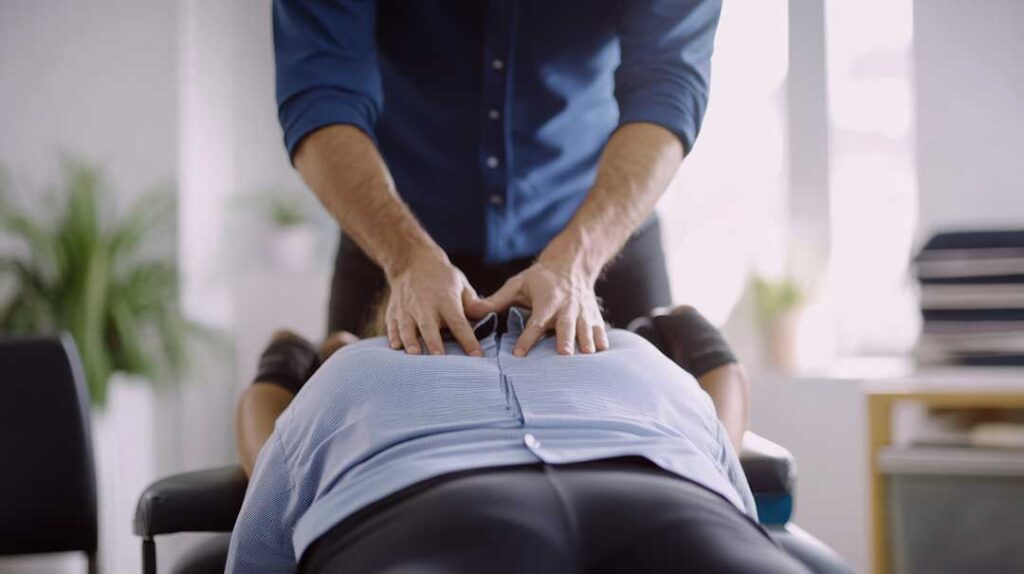
Anxiety can affect thoughts, sleep, breathing, muscle tension, digestion, concentration, and daily routines. Some residents in Lynbrook, NY may wonder whether chiropractic care can reduce these symptoms, especially when anxiety is accompanied by neck pain, headaches, back discomfort, or difficulty relaxing.
The short answer is that chiropractic care may help some physical symptoms that occur alongside stress, but it is not a primary treatment for an anxiety disorder. Anxiety is best addressed through evidence-based mental health care, medical evaluation when needed, healthy routines, and treatment tailored to the individual.
Can chiropractic care directly treat anxiety?
Chiropractic care has not been established as a standalone treatment for generalized anxiety disorder, panic disorder, social anxiety disorder, or other diagnosed anxiety conditions. Spinal adjustments and related therapies do not replace psychotherapy or medication when those treatments are appropriate.
A person may feel temporarily calmer after hands-on care because of several factors, including reduced muscle tension, gentle movement, focused breathing, a quiet setting, or the general stress-relieving effects of taking time for self-care. Those effects can be meaningful, but they should not be confused with treating the underlying causes of persistent anxiety.
Anxiety disorders often involve recurring worry, fear, avoidance, panic symptoms, or physical sensations that interfere with work, family life, sleep, or ordinary activities. These concerns generally require assessment by a qualified healthcare or mental health professional.
How might chiropractic care help with physical stress symptoms?
Chiropractic care may be useful for musculoskeletal problems that can intensify during stressful periods. Common examples include:
- Tight neck and shoulder muscles
- Tension-related headaches
- Back discomfort after prolonged sitting
- Jaw, upper-back, or chest-wall muscle tension
- Reduced comfort during movement
- Poor sleep related to physical discomfort
Stress can lead people to brace their muscles, hunch over screens, clench their jaw, or remain in one position for long periods. In a dense suburban community such as Lynbrook, household routines may include commuting, desk-based work, caregiving, and extended time indoors during cold or rainy weather. These patterns can contribute to stiffness and discomfort, which may then make anxious feelings more noticeable.
Addressing pain or restricted movement may improve comfort and make it easier to sleep, walk, exercise, or participate in normal activities. Those improvements can support overall well-being without meaning that chiropractic treatment has eliminated anxiety itself.
What does the research actually show?
Research on chiropractic care specifically for anxiety is limited. Some studies of manual therapy, massage, exercise, and other physical approaches suggest possible short-term effects on stress or anxiety symptoms, but the evidence does not show that spinal manipulation is a reliable treatment for anxiety disorders.
The strongest established treatments for ongoing anxiety include cognitive behavioral therapy and other forms of psychotherapy. Depending on the type and severity of symptoms, medication may also be appropriate. Regular physical activity, adequate sleep, reduced caffeine intake, relaxation skills, and social support can complement formal treatment.
This distinction matters because a person may experience physical relief while the underlying anxiety remains. For example, reducing neck tension may lessen discomfort during a stressful workday, but it may not address recurring fears, panic attacks, compulsive behaviors, trauma symptoms, or avoidance of important activities.
Could anxiety symptoms actually signal another health problem?
Yes. Anxiety-like symptoms can sometimes be related to medical conditions, medication effects, substance use, sleep problems, thyroid disorders, breathing conditions, heart rhythm problems, or other health concerns.
Symptoms that deserve medical evaluation may include:
- New or unexplained chest pressure
- Fainting or near-fainting
- Severe shortness of breath
- A racing or irregular heartbeat
- Sudden confusion or weakness
- Unintentional weight change
- Persistent insomnia
- New symptoms after starting or stopping medication
- Panic-like episodes that occur without an obvious trigger

A physical examination and health history can help distinguish anxiety from other causes. This is especially relevant when symptoms are new, unusually intense, or changing over time.
Is chiropractic care safe for someone who has anxiety?
Many people tolerate appropriately provided chiropractic care without serious problems, but treatment is not risk-free. Temporary soreness, stiffness, or headache can occur after manipulation or other hands-on techniques. A careful health history is important before treatment, particularly for people with osteoporosis, inflammatory arthritis, recent trauma, bleeding disorders, certain neurological conditions, or other factors that may increase risk.
Anxiety can also affect how a person experiences physical sensations. A normal post-treatment ache or brief change in muscle tension may feel alarming to someone who is already monitoring the body closely. Clear communication about expected effects and warning signs can help prevent unnecessary worry.
No treatment should be used to discourage mental health care or to suggest that anxiety is caused solely by poor posture, spinal misalignment, or a physical imbalance.
What can a person in Lynbrook do if anxiety and muscle tension occur together?
A practical approach is to address both the physical and emotional sides of the problem.
Start by observing patterns. Note whether symptoms appear after poor sleep, excess caffeine, long periods at a computer, stressful conversations, skipped meals, or lack of movement. A brief walking routine, gentle mobility exercises, regular meals, and a consistent sleep schedule may help reduce the physical load of stress.
For desk or household activities, small changes can be useful:
- Change position regularly instead of sitting for hours.
- Keep frequently used items within easy reach.
- Take slow, comfortable breaths without forcing deep inhalation.
- Use gentle stretching rather than aggressive movements.
- Limit caffeine if it worsens shakiness, racing thoughts, or palpitations.
- Avoid checking bodily sensations repeatedly, which can reinforce fear.
If worry, panic, or avoidance persists, treatment from a mental health professional is more directly suited to the problem. Primary care can also help with screening, medication questions, and evaluation of physical symptoms.
When should anxiety be treated as urgent?
Immediate help is warranted for thoughts of suicide, feeling unable to stay safe, severe confusion, a medical emergency, or symptoms such as chest pain and significant difficulty breathing. A person experiencing a mental health crisis should use emergency services or a crisis resource rather than relying on chiropractic care or self-care measures.
For less urgent but persistent symptoms, the key issue is functional impact. Anxiety that repeatedly interferes with sleep, employment, school, relationships, driving, errands, or leaving the home deserves professional attention.
Chiropractic care may have a limited supportive role when stress is accompanied by muscle tension or pain. It should be viewed as one possible component of general physical care—not as a proven treatment for anxiety disorders and not as a substitute for psychotherapy, medical evaluation, or prescribed medication.
