
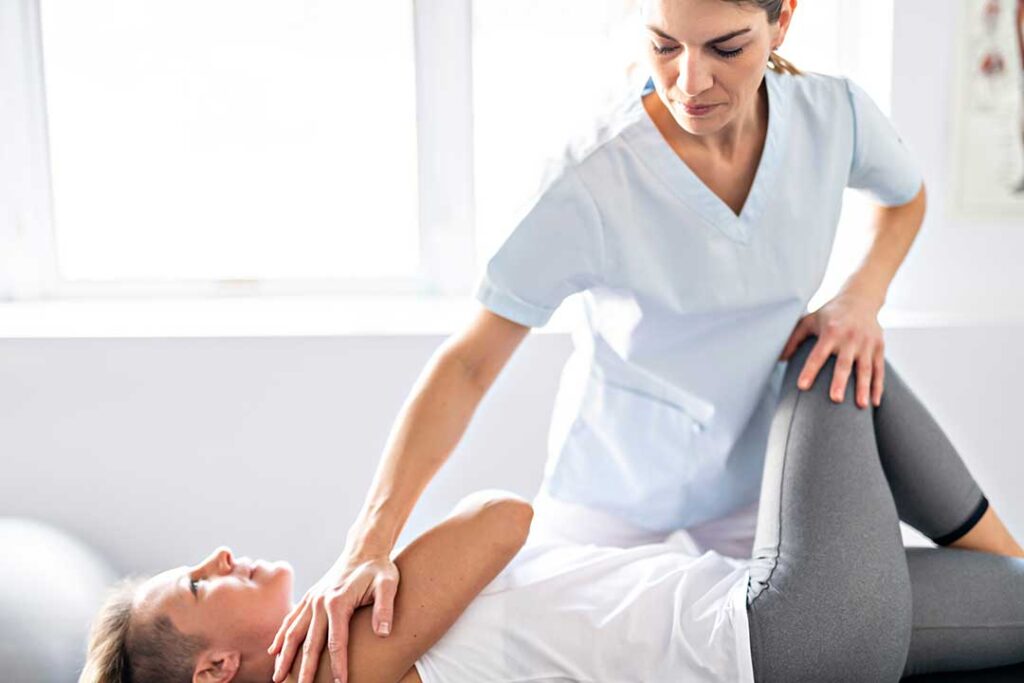
What exercises help strengthen the back?
Simple exercises that build the muscles of the abdomen, hips, buttocks, and back can improve spinal support and make everyday movements easier. A balanced routine usually works better than focusing on the lower back alone.
For many residents in Lynbrook, NY, back strain can develop from long periods of sitting, commuting, household chores, lifting, or reduced activity during cold or rainy weather. The exercises below require little space and no special equipment. They are intended for general fitness and mild, uncomplicated back discomfort—not for sudden or severe injuries.
Move slowly, breathe normally, and stop if an exercise causes sharp, spreading, or increasing pain.
How should a beginner start?
Begin with five to ten minutes of easy movement, such as walking around the home or marching gently in place. A warm body generally moves more comfortably than a cold, stiff one.
Start with one set of each exercise and a small number of repetitions. For example, five repetitions may be enough during the first few sessions. If the movements feel comfortable during and after exercise, gradually work toward 10 to 15 repetitions.
A useful guideline is that mild muscle effort is acceptable, but symptoms should not steadily worsen. If discomfort remains noticeably worse for several hours or affects normal movement afterward, reduce the repetitions or leave that exercise out.
Which exercises are useful for back support?
Pelvic tilts
Pelvic tilts help a person learn to gently engage the abdominal muscles while moving the lower back.
1. Lie on the back with knees bent and feet flat on the floor.
2. Relax the shoulders and keep the arms at the sides.
3. Gently tighten the abdominal muscles and flatten the lower back toward the floor.
4. Hold for about five seconds, then relax without arching forcefully.
5. Repeat five to ten times.
The movement should be small. It is not necessary to press hard or hold the breath.
Glute bridges
The buttocks and hip muscles help share the workload placed on the lower back. Bridges strengthen those muscles while also training control through the hips and trunk.
1. Lie on the back with knees bent and feet about hip-width apart.
2. Tighten the abdomen gently and squeeze the buttocks.
3. Lift the hips until the body forms a comfortable line from the shoulders toward the knees.
4. Pause for one or two breaths.
5. Lower slowly and repeat five to ten times.
Avoid pushing the hips so high that the lower back arches sharply. The effort should be felt mainly in the buttocks and the back of the hips.
Bird-dog
Bird-dog exercises develop balance and coordination in the back, abdominal, shoulder, and hip muscles.
1. Begin on the hands and knees, with hands below the shoulders and knees below the hips.
2. Brace the abdomen lightly while keeping the spine in a neutral position.
3. Slowly extend one leg behind the body.
4. If balance is steady, extend the opposite arm forward.
5. Hold for three to five seconds, then return to the starting position.
6. Alternate sides for five repetitions per side.
The goal is control, not height. Keep the hips level and avoid twisting the torso.
Wall sit
A wall sit strengthens the thighs and hips, which can make lifting, stair climbing, and standing tasks easier for the back.
1. Stand with the back against a wall and feet slightly forward.
2. Slide down only as far as comfortable.
3. Keep the knees aligned with the feet rather than allowing them to collapse inward.
4. Hold for 10 to 20 seconds.
5. Slide back up and rest.
A shallow bend is appropriate for beginners. There is no need to reach a deep squat.
Hip hinge practice
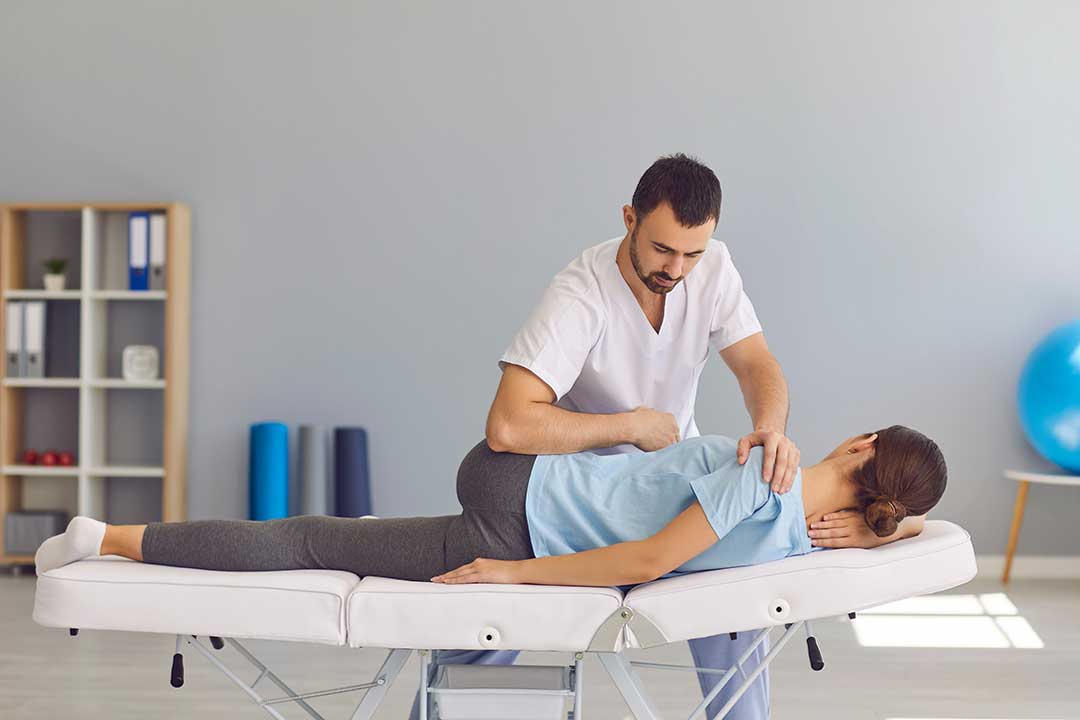
Many back strains occur during lifting or bending. Hip hinge practice teaches the body to bend through the hips while keeping the spine more stable.
1. Stand with feet about hip-width apart.
2. Place one hand on the chest and the other on the lower abdomen.
3. Soften the knees and move the hips backward, as though reaching toward a chair.
4. Keep the spine long and return to standing by pressing through the feet.
5. Practice five to ten slow repetitions.
This movement can later be used when picking up laundry, gardening supplies, or a light box. Keep objects close to the body and avoid twisting while lifting.
Do stretching exercises strengthen the back?
Stretching can improve comfort and mobility, but stretching alone does not provide the same strengthening effect as bridges, bird-dogs, or controlled leg and hip exercises. A practical routine can include both.
A gentle knee-to-chest stretch may relieve tightness for some people:
1. Lie on the back with both knees bent.
2. Bring one knee toward the chest while keeping the other foot on the floor.
3. Hold for five to ten seconds, then switch sides.
4. Repeat two or three times per side.
Another option is a gentle lower-back rotation. With knees bent and shoulders relaxed on the floor, slowly allow both knees to move a short distance to one side, then return to center and switch sides. Avoid forcing the range of motion.
How often should these exercises be done?
Consistency matters more than long workouts. A beginner may perform a short routine three days per week, adding comfortable walking on other days. As strength improves, the routine can be done more often if the body tolerates it.
Walking is particularly practical in a dense residential community because it requires no equipment and can be divided into short periods. During icy or snowy conditions, indoor walking, gentle marching, or carefully chosen home exercises may be safer than walking on slippery surfaces.
Long periods of sitting can also contribute to stiffness. Standing up, changing position, and taking brief movement breaks throughout the day may be as useful as completing a formal exercise session.
When should back exercises be avoided?
Exercise should be postponed or modified after a serious fall, collision, or other injury, especially if pain is severe. Seek urgent medical evaluation for back pain accompanied by new loss of bladder or bowel control, numbness around the groin, significant leg weakness, fever, unexplained weight loss, or pain that is intense and rapidly worsening.
Pain that travels down a leg, persistent numbness, or symptoms that do not improve with reasonable activity may require an individualized assessment before starting a strengthening program. People with osteoporosis, recent surgery, pregnancy-related concerns, or significant medical conditions should also receive specific exercise guidance.
The safest routine is one that begins gently, progresses gradually, and respects the difference between normal muscle effort and warning symptoms.
