

Is mild soreness normal after a chiropractic adjustment?
Yes. Mild soreness, stiffness, tiredness, or a temporary increase in discomfort can occur after a chiropractic adjustment. For many people, these effects feel similar to the muscle soreness that follows unfamiliar exercise and improve within several hours or about a day.
Soreness is more likely when the adjustment involves an area that has been stiff, irritated, or underused. Muscles and connective tissues may also respond to pressure or movement that is different from a person’s usual activity.
The expected pattern is mild and temporary. Pain should not steadily intensify, become severe, or continue without improvement.
What does normal post-adjustment soreness feel like?
Typical short-term reactions may include:
- Achiness around the treated area
- Mild stiffness when changing position
- Tender muscles in the neck, back, shoulders, or hips
- Temporary fatigue
- A mild headache, particularly after treatment involving the upper back or neck
The sensation may be noticeable when bending, turning, walking, or getting out of a chair. It should generally remain manageable and gradually ease rather than spread or worsen.
A person who has not had an adjustment recently may notice soreness more clearly than someone accustomed to manual treatment. However, the body’s response can vary from one session to another depending on sleep, stress, physical activity, the condition being treated, and the techniques used.
How long should soreness last?
Most mild post-adjustment soreness improves within 24 hours. Some people may feel stiff for a little longer, especially if the treated area was already inflamed or if additional soft-tissue work and stretching were part of the visit.
If discomfort lasts more than a few days, repeatedly occurs after treatment, or interferes with normal activities, the treatment plan should be reassessed. Persistent soreness may reflect an untreated injury, an unrelated condition, excessive activity after the adjustment, or a technique that is not appropriate for that individual.
A useful way to judge recovery is to look for gradual improvement. Feeling slightly sore the same evening but better the next morning is different from feeling increasingly painful two days later.
What can help at home?
Gentle movement is usually more helpful than staying completely still. Easy walking and normal, comfortable activity may reduce stiffness. Avoid forcing stretches or exercising through sharp pain.
Other practical measures may include:
- Drinking fluids normally and eating regular meals
- Using a warm shower or a wrapped heat pack for muscle tightness
- Applying a cold pack briefly if the area feels acutely irritated
- Taking a break from heavy lifting, intense workouts, or repeated bending for the rest of the day
- Following only the exercises or movement instructions that were specifically provided
Heat and cold affect people differently. A heating pad should not be used while sleeping, and cold packs should be wrapped in cloth to protect the skin. Over-the-counter pain medicine may not be appropriate for everyone, particularly people with kidney disease, ulcers, blood-thinning medication, allergies, or other medical conditions. A pharmacist or medical clinician can help determine what is safe.
In a densely settled community such as Lynbrook, ordinary routines can also contribute to lingering soreness. Long periods seated in a car or at a desk, carrying bags, lifting children, working in a basement or garage, and spending time outdoors in cold weather can all make muscles feel tighter after treatment. These factors do not necessarily mean the adjustment caused an injury.
When is soreness a warning sign?
Severe, unusual, or worsening symptoms are not considered routine post-adjustment soreness. Prompt medical evaluation is appropriate for symptoms such as:
- New or increasing weakness in an arm or leg
- Numbness that is spreading or persistent
- Loss of balance, difficulty walking, or poor coordination
- Loss of bladder or bowel control
- Severe or sudden headache
- Trouble speaking, swallowing, or seeing
- Facial drooping, fainting, confusion, or unusual dizziness
- Chest pain, shortness of breath, or severe abdominal pain
- New pain after a fall, collision, or other significant injury
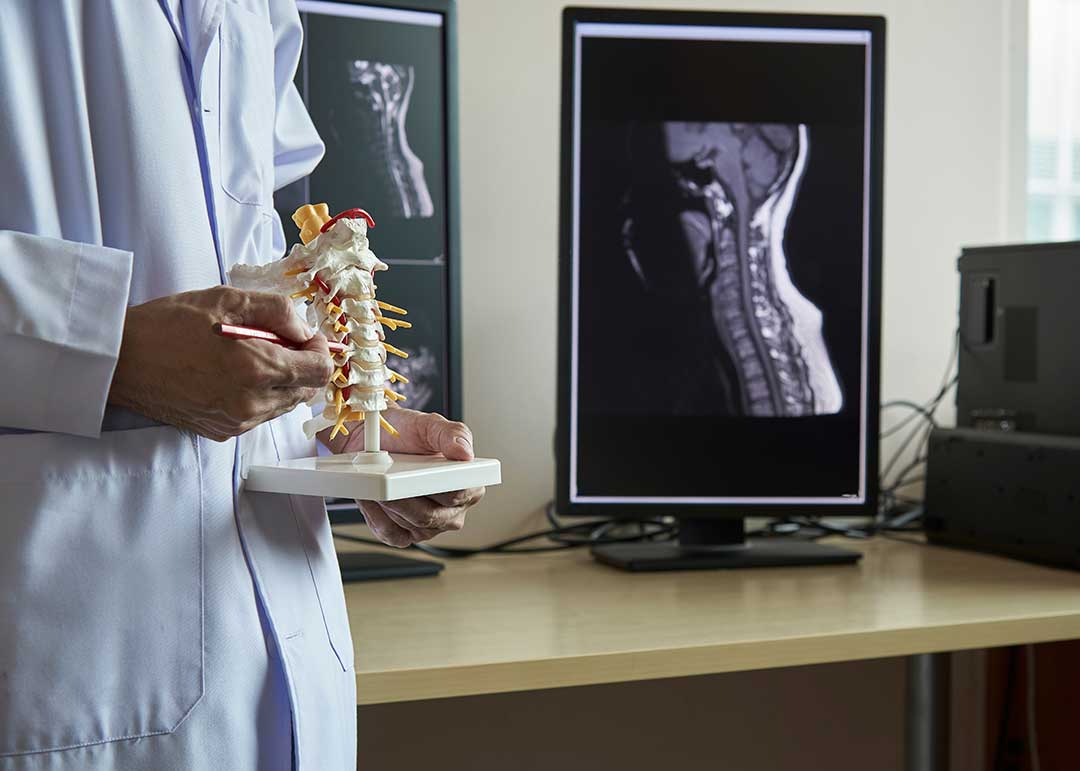
Neck manipulation deserves particular caution because rare but serious problems involving blood vessels or the nervous system have been reported. These events are uncommon, but sudden neurological symptoms after treatment should be treated as an emergency rather than watched at home.
Should the next adjustment be delayed?
That depends on the symptoms and their trend. Mild soreness that is clearly improving may not require a change in care, but it should still be reported before the next session. A clinician may modify the force, technique, treatment area, timing, or accompanying exercises.
Treatment should be reconsidered before another adjustment if soreness is moderate to severe, lasts longer than expected, keeps returning, or is accompanied by numbness, weakness, radiating pain, fever, or other new symptoms.
A complete health history matters. Conditions affecting bones, joints, blood vessels, nerves, or connective tissue can change the safety of spinal manipulation. Recent surgery, fractures, osteoporosis, cancer, infection, significant trauma, and medications that affect bleeding or bone strength should be disclosed before treatment.
Is soreness proof that an adjustment worked?
No. Soreness does not prove that an adjustment was effective, and the absence of soreness does not mean treatment failed. The more useful questions are whether movement, function, and the original symptoms improve over time and whether any side effects remain minor and short-lived.
The popping sound sometimes heard during an adjustment also does not measure treatment success. It commonly results from gas shifting within a joint and is not the same as a bone being put back into place.
For residents seeking care in Lynbrook, keeping a simple record can make follow-up discussions more useful. Note the area treated, the time soreness began, its intensity, what movements increased it, and when it started improving. This information can help distinguish a normal temporary reaction from a problem requiring a different evaluation.
What is the practical rule?
Mild, localized soreness that begins soon after an adjustment and improves within roughly 24 hours is commonly considered a temporary side effect. Severe pain, worsening symptoms, neurological changes, or soreness that does not improve should not be dismissed as normal.
A chiropractic adjustment should be one part of a broader health assessment, not a substitute for medical evaluation when symptoms suggest a serious injury or illness.
