

Sleeping position can affect how much strain reaches the neck, shoulders, hips, and lower back during the night. The most supportive position is the one that keeps the head, shoulders, hips, and knees reasonably aligned while allowing the spine to maintain its natural curves.
There is no single position that works for every person. A comfortable position for someone with occasional low-back stiffness may not suit someone with shoulder pain, acid reflux, pregnancy-related discomfort, or symptoms traveling down a leg. The goal is not to hold the body rigidly still, but to reduce twisting, unsupported joints, and prolonged pressure.
Is sleeping on your back best for the spine?
For many people, back sleeping provides a neutral starting position because body weight is distributed more evenly. It may reduce the tendency to twist the pelvis or curl the upper body, especially when the pillow supports the neck without pushing the head too far forward.
A small pillow beneath the knees can make this position more comfortable. Raising the knees slightly may reduce excessive arching in the lower back. The support should feel gentle rather than forcing the legs into a steep bend.
A pillow under the head should fill the space between the neck and the mattress without lifting the chin toward the chest. If the pillow is too high, the neck may remain flexed for hours. If it is too low, the head may fall backward or to one side.
Back sleeping may not be comfortable for everyone. Some people notice more snoring, breathing difficulty, or discomfort in this position. Anyone who wakes frequently gasping, choking, or with severe daytime sleepiness should discuss those symptoms with a medical provider.
Is side sleeping healthy for the spine?
Side sleeping can be very spine-friendly when the hips and shoulders remain stacked. It is often a practical choice for people who find back sleeping uncomfortable or who breathe more easily on their side.
The most useful adjustment is placing a pillow between the knees. This helps keep the upper leg from dropping forward, which can rotate the pelvis and lower trunk. A pillow that extends from the knees toward the ankles may provide more consistent support than a small cushion placed only between the thighs.
The head pillow also matters. It should be thick enough to keep the neck roughly level with the rest of the spine. A pillow that allows the head to tilt downward can contribute to morning neck or shoulder stiffness.
Try to keep the torso elongated rather than tightly curled. A modest bend in the hips and knees is usually more neutral than pulling the knees sharply toward the chest. The lower arm should be positioned comfortably without being trapped beneath the head or forced overhead for long periods.
Switching sides is not mandatory, but changing positions naturally can reduce prolonged pressure on one shoulder or hip. If one side consistently causes numbness, increased pain, or weakness, another position may be more suitable.
What about the fetal position?
A gently curled position can feel comforting, particularly during a painful flare-up. However, a tightly curled posture may keep the neck bent forward and the lower back rounded for much of the night.
If the fetal position feels best, try opening it slightly. Keep the neck in line with the trunk, avoid pulling the knees tightly toward the chest, and place a pillow between the knees. The aim is to preserve comfort without creating a strong, sustained curve through the spine.
Is stomach sleeping bad for the back?
Stomach sleeping is often the most difficult position for maintaining comfortable spinal alignment. The head usually has to turn to one side to allow breathing, which can place prolonged rotation through the neck. The lower back may also arch more, depending on the mattress and body shape.
Some people can sleep on their stomach without symptoms, so this position is not automatically harmful. If it is the only position that allows restful sleep, reducing strain may help:
- Use a thin pillow, or no head pillow if comfortable.
- Place a thin cushion beneath the lower abdomen or pelvis if the low back feels overly arched.
- Avoid turning the head sharply upward or holding one arm above the head for hours.
- Consider gradually transitioning toward side sleeping by placing a pillow along the front of the body.
A position that causes recurring morning pain, tingling, or stiffness deserves adjustment rather than being ignored.
How should a pillow support the neck?
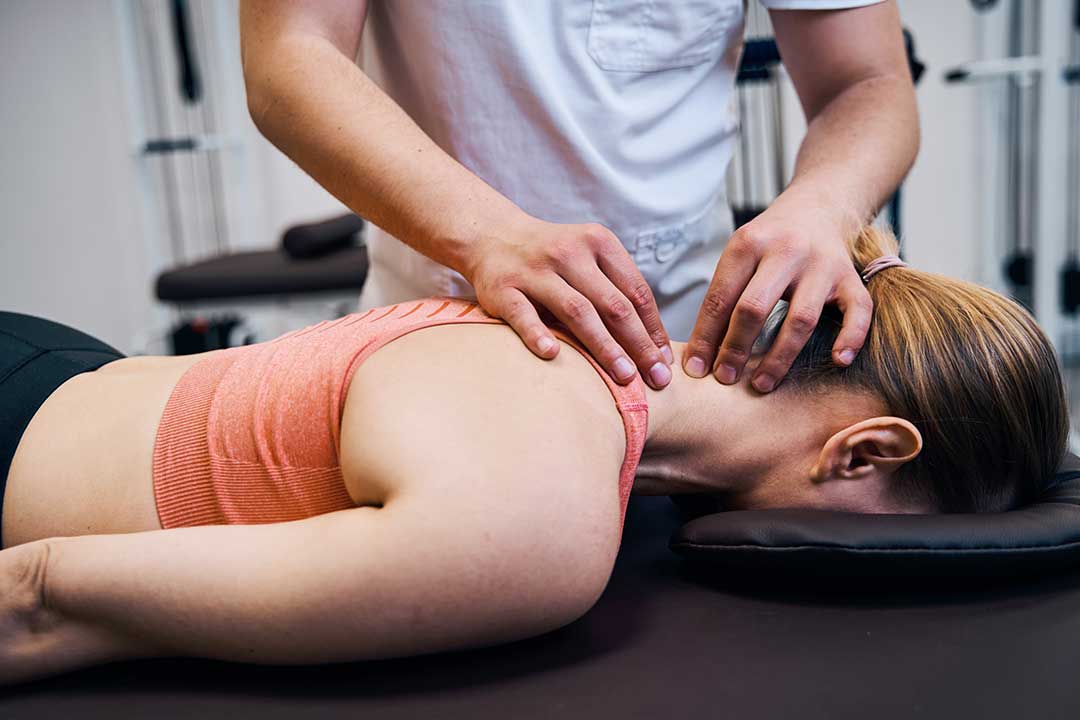
A pillow should support the head and neck without bending the neck sharply up, down, or sideways. The right height depends on sleeping position, shoulder width, body shape, and mattress firmness.
Side sleepers generally need more height because the shoulder creates space between the head and mattress. Back sleepers usually need less height. Stomach sleepers typically need the least.
A useful test is to take a side-view photograph or ask someone to observe whether the nose stays roughly in line with the center of the chest. This is not a medical measurement, but it can reveal whether the pillow is tilting the head.
Pillows that have flattened, uneven, or permanently compressed areas may provide inconsistent support. Comfort and alignment matter more than a particular filling, shape, or price.
Can the mattress affect spinal comfort?
Yes. A mattress that sags can allow the pelvis and trunk to sink unevenly, while an excessively firm surface may create pressure at the shoulders, ribs, or hips. There is no universally correct mattress firmness.
For a practical check, notice whether pain improves after getting out of bed or whether it increases after several hours lying down. Also observe whether a different sleeping surface temporarily changes symptoms. These clues do not identify a medical cause, but they can show that the sleep setup deserves attention.
In area households, seasonal temperature changes can also affect sleep quality. A bedroom that becomes warm or humid during summer may lead to restless movement, while winter dryness or heavy bedding may encourage awkward positions. A stable, comfortable sleep environment can make it easier to maintain a supportive posture.
What position is best for sciatica or lower-back pain?
For lower-back pain, many people are more comfortable either on the back with support beneath the knees or on the side with a pillow between the knees. For symptoms that travel into the buttock or leg, the most tolerable position can vary depending on the underlying cause.
Pain should not be used as the only guide if a position produces increasing numbness, weakness, or electric-shock sensations. Avoid forcing a posture simply because it is commonly described as “best.” A neutral position that reduces symptoms is generally more useful than a theoretically ideal position that prevents sleep.
Changing positions carefully can also help. Roll onto the side first, move the legs together, and use the arms to push up rather than twisting suddenly from the waist.
When should nighttime spine symptoms be evaluated?
Occasional stiffness after an unusual day or an awkward night is common. Seek prompt medical attention for back or neck pain accompanied by new loss of bladder or bowel control, numbness around the groin, significant leg weakness, fever, unexplained weight loss, major trauma, or severe pain that is rapidly worsening.
Persistent pain, repeated night waking, or symptoms that continue despite changing sleep position also deserve evaluation. Sleep posture can influence comfort, but it cannot correct every cause of spinal pain. The most useful approach is to combine a neutral setup with attention to symptoms, daily activity, and overall sleep quality.
