
Can chiropractic adjustments help with PMS symptoms?
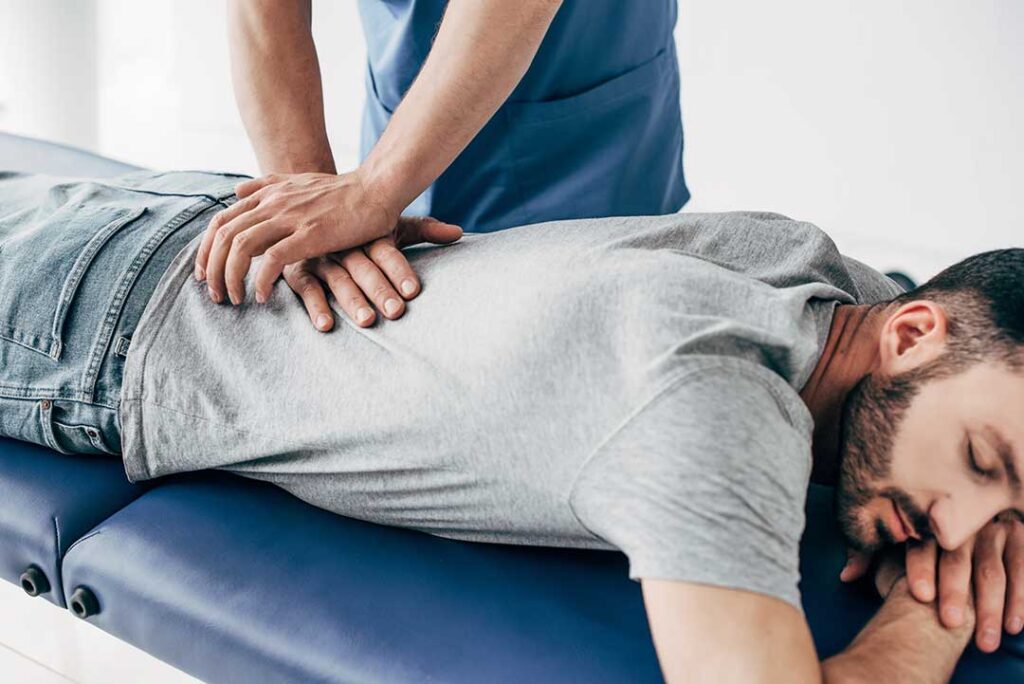
Chiropractic adjustments may help some people manage musculoskeletal discomfort that occurs before or during a menstrual period, such as low-back tension, pelvic-area muscle tightness, or stiffness. However, current evidence does not show that spinal adjustments reliably treat PMS itself or the hormonal changes that cause it.
PMS, or premenstrual syndrome, includes recurring physical, emotional, and behavioral symptoms during the days or weeks before menstruation. Common symptoms include bloating, breast tenderness, headaches, fatigue, irritability, anxiety, low mood, food cravings, sleep changes, and abdominal or back discomfort.
An adjustment may address a joint or muscle problem that happens to worsen during the premenstrual phase. That is different from correcting the underlying PMS process.
Why might someone feel better after an adjustment?
Hormonal changes before menstruation can affect pain sensitivity, sleep, fluid retention, digestion, mood, and muscle tension. Some people also change their posture or activity level when they feel bloated, tired, or uncomfortable. Those changes may contribute to aches in the low back, hips, buttocks, or upper back.
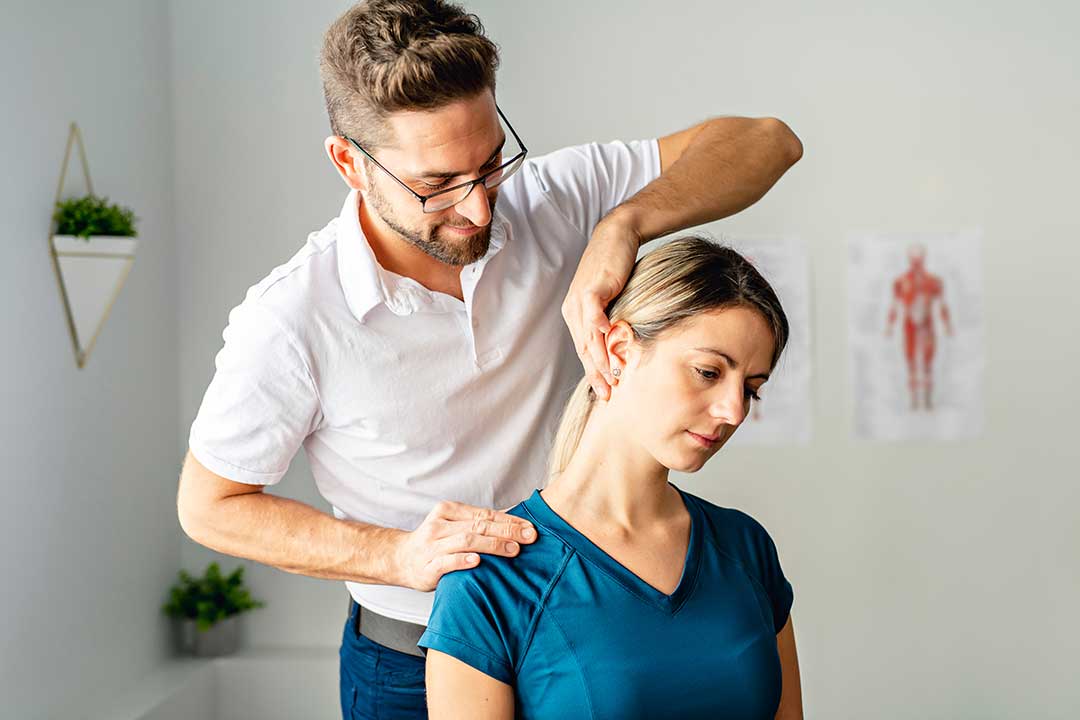
A chiropractic visit may include an assessment of movement, muscle tension, posture, and joint mobility. Manual treatment, mobilization, stretching, or exercise advice may temporarily reduce pain related to the spine or surrounding muscles.
Possible short-term effects may include:
- Reduced muscle tightness
- Improved comfort with walking, sitting, or sleeping
- Easier movement in the low back or hips
- Less pain from a separate musculoskeletal problem that flares around menstruation
These effects should not be interpreted as proof that an adjustment has balanced hormones, improved reproductive organ function, or treated PMS at its source. Those claims are not supported by strong clinical evidence.
What does the research say?
Research on spinal manipulation for menstrual symptoms is limited and inconsistent. Reviews have not established clear benefits for painful periods, and evidence specifically addressing PMS symptoms such as mood changes, breast tenderness, bloating, or food cravings is especially limited.
This means an adjustment may be reasonable for an individual’s back or joint pain when it is otherwise appropriate, but it should be considered a complementary approach rather than a primary treatment for PMS.
It is also useful to distinguish PMS from dysmenorrhea. PMS occurs before menstruation and may involve both physical and emotional symptoms. Dysmenorrhea refers mainly to painful menstrual cramps. A person can have one without the other, and the evaluation and treatment may differ.
Which PMS symptoms are most likely to respond to musculoskeletal care?
Symptoms involving muscles and joints are the most plausible targets. For example, someone with recurring low-back tightness before a period may benefit from an individualized movement plan, gentle manual care, or strengthening exercises.
Symptoms less likely to respond directly to an adjustment include:
- Bloating and swelling
- Breast tenderness
- Food cravings
- Significant mood changes
- Anxiety or depression
- Menstrual bleeding changes
- Severe fatigue caused by another medical condition
If pain is felt deep in the pelvis, is severe, or is associated with heavy bleeding, pain during sex, infertility, fever, fainting, or bowel or bladder symptoms, the cause may be gynecologic rather than musculoskeletal. Conditions such as endometriosis, fibroids, ovarian cysts, or pelvic inflammatory disease may require medical evaluation.
What treatments have better evidence for PMS?
For mild to moderate symptoms, regular habits may help reduce the intensity of PMS over time. Regular aerobic activity, such as brisk walking, cycling, swimming, or another enjoyable form of exercise, can support mood and reduce fatigue for some people.
Other practical measures include:
- Keeping a symptom and menstrual-cycle record for at least two or three months
- Maintaining consistent sleep and meal schedules
- Using heat for abdominal or low-back discomfort
- Practicing relaxation methods, breathing exercises, yoga, or meditation
- Limiting habits that clearly worsen symptoms, such as excess alcohol or irregular sleep
- Discussing calcium, magnesium, or other supplements with a qualified medical clinician before taking them
Anti-inflammatory medicines such as ibuprofen or naproxen may help pain for some people, but they are not appropriate for everyone. A history of ulcers, kidney disease, certain bleeding disorders, medication interactions, or pregnancy can affect whether these medicines are safe.
For moderate or severe PMS, treatment may include hormonal birth control, antidepressant medication, or other prescription options. The appropriate choice depends on symptom pattern, health history, pregnancy plans, and whether mood symptoms are prominent.
Could it be PMDD instead of PMS?
Premenstrual dysphoric disorder, or PMDD, is a more severe condition involving substantial mood and behavioral symptoms. Severe irritability, depression, anxiety, hopelessness, inability to concentrate, or relationship and work disruption may occur during the premenstrual phase and improve after menstruation begins.
PMDD is not simply a stronger form of back pain or bloating. Chiropractic care cannot diagnose or treat the hormonal and psychological components of PMDD. Anyone experiencing severe mood symptoms, thoughts of self-harm, or major disruption in daily life should seek prompt medical or mental-health support. Immediate help is warranted if there is a risk of harm.
How can residents track whether care is helping?
A symptom diary can make patterns easier to identify. Each day, record the menstrual-cycle date and rate symptoms such as pain, bloating, mood, sleep, headache, and fatigue on a simple scale from zero to ten. Also record exercise, medication use, major stress, and any manual treatment.
This approach can help answer practical questions:
- Do symptoms occur before every period or only occasionally?
- Is the main problem muscle or joint pain, or are there broader PMS symptoms?
- Does treatment help for hours, days, or an entire cycle?
- Are symptoms gradually worsening?
- Does pain remain after menstruation ends?
For people living in a dense suburban community such as Lynbrook, seasonal changes may also affect routines. Cold weather can reduce outdoor activity, while commuting, prolonged sitting, and indoor work may increase back stiffness. Tracking activity and posture alongside menstrual symptoms can help separate a recurring musculoskeletal problem from PMS itself.
When should medical evaluation come first?
Medical evaluation is advisable when symptoms are new, severe, worsening, or interfering with work, school, sleep, relationships, or ordinary activities. Prompt attention is particularly appropriate for sudden severe pelvic pain, very heavy bleeding, fainting, fever, pregnancy-related concerns, or significant depression.
The most balanced answer is that chiropractic adjustments may provide short-term relief for some PMS-associated back or muscle discomfort, but they should not be presented as a proven treatment for PMS. A symptom diary, regular movement, appropriate self-care, and medical evaluation when symptoms are significant provide a more reliable foundation for deciding what help is needed.
