
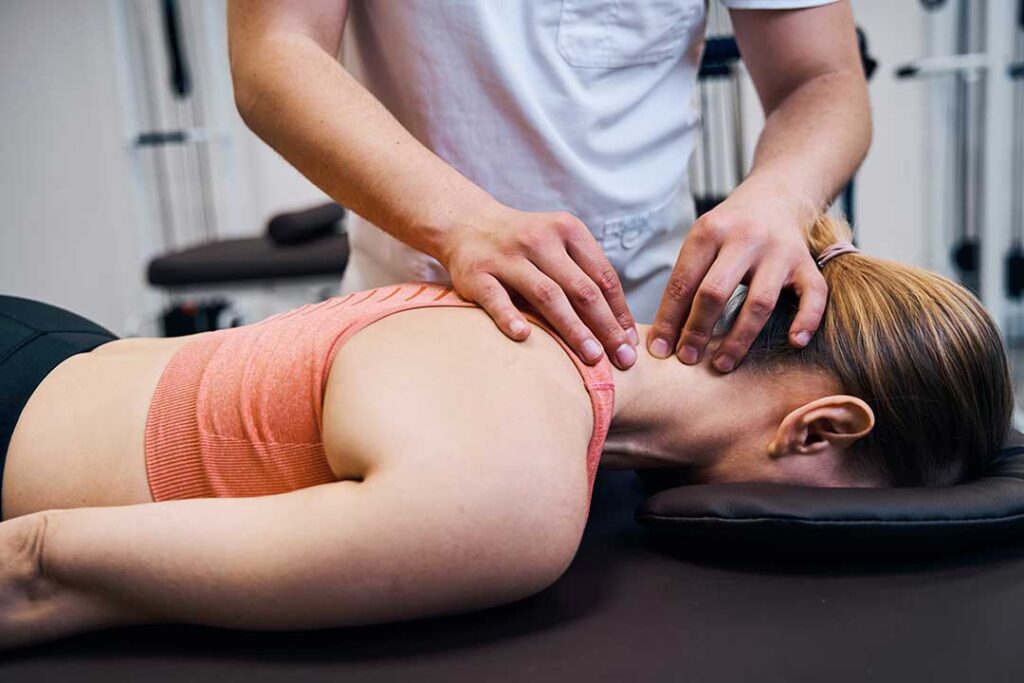
Shoulder popping is common, and the sound alone does not always indicate an injury. A painless click that occurs occasionally may come from normal movement of tendons, ligaments, or joint surfaces. Popping becomes more concerning when it is paired with pain, weakness, swelling, stiffness, catching, or a recent injury.
For residents of Lynbrook, NY, shoulder symptoms may show up after overhead home maintenance, recreational activities, carrying children, lifting groceries, snow removal, or repetitive work at a desk. Understanding the pattern of the popping can help clarify what may be happening and what steps are reasonable.
Is painless shoulder popping usually serious?
Usually, occasional popping without pain or loss of movement is not an emergency. The shoulder is a highly mobile joint, so several structures move across one another as the arm is raised, rotated, or lowered.
Common harmless explanations include:
- A tendon moving over a nearby bone
- Small pressure changes within the joint
- Normal movement of the shoulder blade against the rib cage
- Tight muscles or temporary changes in movement after inactivity
A sound that has been present for years and does not affect strength or daily activities is generally less concerning than a new, painful noise. Still, repeated popping that gradually becomes more frequent deserves attention, especially if movement feels less smooth.
What causes painful popping in the shoulder?
Painful popping can result from irritation, inflammation, instability, or damage to the shoulder’s soft tissues. The most common possibilities include the following.
Rotator cuff irritation or injury
The rotator cuff is a group of tendons that helps stabilize and move the shoulder. Repetitive overhead activity, lifting, falls, or sudden force can irritate these tendons. Popping may occur with pain when reaching overhead, putting on a coat, brushing hair, or lifting an object away from the body.
Weakness, night pain, or difficulty raising the arm can suggest a more significant tendon problem.
Labral injury
The labrum is a ring of cartilage that deepens the shoulder socket. A fall, forceful pull, dislocation, or repeated overhead motion can injure it. Labral problems may cause a deep clicking or popping sensation, catching, a feeling that the shoulder may slip, or discomfort during throwing and reaching.
A labral injury cannot be confirmed by sound alone. The history of injury and a physical examination are important.
Shoulder instability
The shoulder can partially or fully move out of its normal position after an injury or because the supporting tissues are unusually loose. Instability may feel like slipping, shifting, clunking, or a shoulder that does not feel secure.
Anyone who has had a dislocation or repeated episodes of the shoulder “coming out” should avoid forcing the joint through painful ranges of motion.
Bursitis or impingement
Small fluid-filled sacs called bursae help reduce friction around the shoulder. Repeated lifting, overhead work, or poor load management can irritate them. Inflammation may make nearby tissues rub more during movement, producing pain, clicking, or a popping sensation.
This pattern often worsens when the arm is lifted above shoulder height.
Arthritis or joint wear
Arthritis can make the joint surfaces less smooth. The resulting sound is often described as grinding, crunching, or repeated popping rather than a single click. Pain, stiffness, reduced range of motion, and discomfort while sleeping may occur as well.
Previous fractures, dislocations, or long-term overuse can increase the likelihood of post-injury joint changes.
Could the sound come from the shoulder blade?
Yes. Not every popping sensation comes from the main ball-and-socket joint. The shoulder blade glides over the back of the rib cage, and irritation or altered muscle control can create a snapping or grinding feeling near the shoulder blade.
This may be more noticeable during rowing motions, push-ups, reaching behind the back, or lifting the arm repeatedly. Prolonged sitting, a sudden increase in exercise, or carrying a heavy bag on one side can affect how the shoulder blade moves.
What can be done at home?
The appropriate response depends on whether the popping is painless, activity-related, or associated with injury. For mild symptoms, practical first steps include:
- Temporarily reduce movements that reliably cause pain or repeated catching.
- Keep the shoulder gently moving rather than immobilizing it for long periods.
- Use a cold pack for short periods after a recent flare-up or overuse episode.
- Use gentle warmth before movement if stiffness is the main issue.
- Pay attention to posture during computer work and avoid holding the shoulder elevated for long periods.
- Return to lifting gradually instead of resuming a full workload immediately.
- Avoid repeatedly forcing the shoulder to “crack” or pop.

Gentle range-of-motion exercises may help, but strengthening exercises should not cause sharp pain, increasing weakness, or a sense of instability. A musculoskeletal evaluation can help distinguish a tendon problem from a joint or shoulder-blade issue and determine whether exercises, activity changes, or further testing are appropriate.
When should shoulder popping be evaluated?
Arrange a timely medical evaluation when popping is persistent, painful, or accompanied by:
- Weakness or loss of grip
- Reduced ability to raise or rotate the arm
- Recurrent catching or locking
- Numbness or tingling
- Swelling, bruising, or visible changes
- Pain that interrupts sleep
- Symptoms that continue despite reducing aggravating activity
- A history of dislocation, fracture, or significant fall
Seek urgent care after an injury if the shoulder looks deformed, the arm cannot be moved, severe swelling develops, or pain is sudden and intense. Chest discomfort, shortness of breath, sweating, nausea, or pain spreading into the arm or jaw requires emergency attention rather than treatment as an ordinary shoulder problem.
How is the cause identified?
Evaluation usually begins with questions about when the popping started, what movement triggers it, whether there was an injury, and whether weakness or instability is present. The examiner may compare both shoulders, assess neck and upper-back movement, test strength, and observe how the shoulder blade moves.
Imaging is not always needed for painless clicking. X-rays may help evaluate bones and arthritis, while other imaging may be considered when a tendon, labrum, or significant injury is suspected.
For local residents managing seasonal tasks, exercise, or household lifting, the most useful information to record is the exact movement that causes the sound, whether pain occurs before or after the pop, and whether strength or motion has changed. These details often provide more practical guidance than the sound by itself.
