
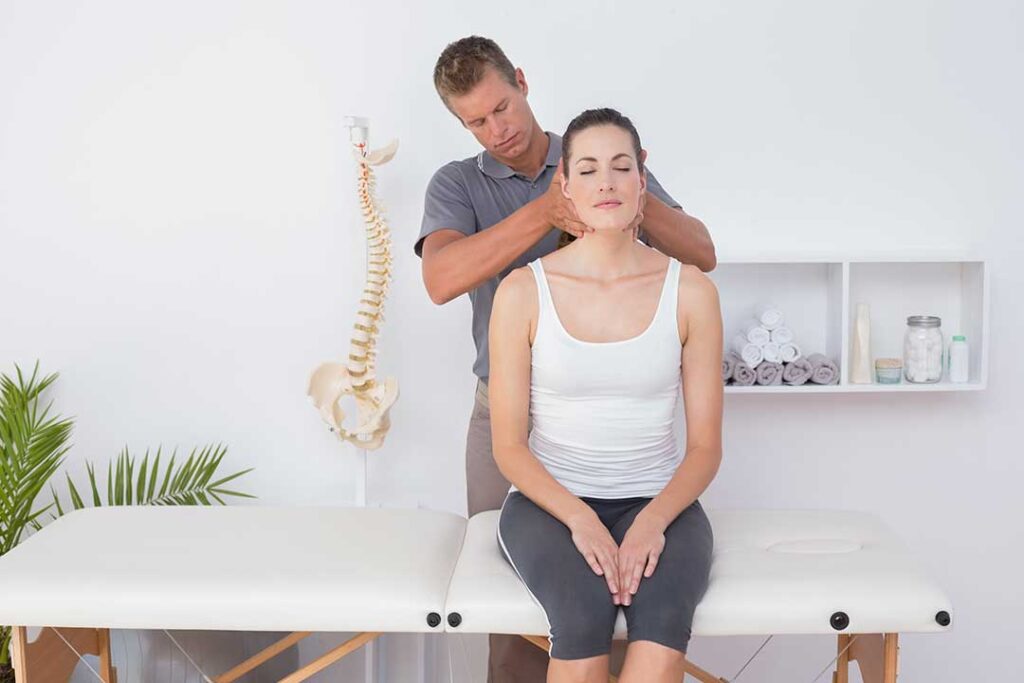
Why Do Balance Problems Sometimes Start with the Spine?
Many local residents wonder if back or neck issues might be linked to feeling unsteady. Yes, spinal alignment can influence how well a person maintains balance. The spine is not just a stack of bones—it also houses nerves that relay signals between the brain and the rest of the body. When the natural alignment of the spine is altered, these signals can be disrupted, sometimes making it harder to keep steady, especially during everyday movement.
Interruptions in this system might be as simple as a joint not moving correctly, or as complex as a change in the shape of the spine due to posture habits or injuries. In both cases, the body’s sense of position and movement—known as proprioception—can be affected, leading to moments of unsteadiness or frequent stumbles.
How Does the Spine Connect to Balance?
The spine acts as a central support for the body and plays a huge role in coordination. Nerves exit the spinal cord at each level and send information to muscles and joints about body position. If any part of this chain is compromised, signals about where your body is in space might be less accurate, increasing the risk of falls or balance difficulties.
Common ways spinal alignment affects balance:
- Misaligned vertebrae or stiff spinal joints can disrupt nerve flow.
- Muscle imbalances around the spine may cause uneven posture, creating more work for the balance system.
- Degeneration or injuries, especially in the neck (cervical spine), can directly impact balance because of their proximity to nerves involved in this function.
Residents who navigate stairs in older homes, garden in backyards, or walk uneven sidewalks in community parks might notice balance problems in these settings, especially if spinal health is not optimal.
What Are Signs That Balance Problems Might Be Related to the Spine?
Feeling wobbly does not always mean a spinal cause, but certain clues make the link more likely. Balance problems that:
- Appear alongside neck or back discomfort
- Get worse after sitting for long periods and improve with gentle movement
- Are accompanied by tingling, numbness, or weakness in the limbs
These patterns may suggest disrupted signals from the spine. For example, someone who notices more instability after a day working at a desk or lifting heavy objects may have a spine-balance connection.
Are Balance Problems Always Caused by Back Issues?
No, many balance issues have nothing to do with spinal alignment. Inner ear problems, medications, vision changes, or circulation issues are other leading causes. The spine is only one part of the body’s balance system. However, local patterns—such as time spent indoors during winter or shoveling after a snowstorm—can affect posture and spine movement, potentially increasing the likelihood of spinal contributions to balance problems.
It's helpful for area households to be aware of other signs that point away from the spine, including spinning sensations (vertigo), fainting, or sudden hearing loss, which call for different types of medical evaluation.
Can Everyday Habits in Lynbrook Affect Spine and Balance?
Yes, lifestyle factors common to the area can impact both spinal health and balance:
- Many homes in Lynbrook feature stairs or multi-level designs, which put extra demand on both balance and the supporting muscles of the back.
- Seasonal activities, like raking leaves in the fall or navigating icy walkways, challenge balance—especially if back muscles are tense or posture habits are poor.
- Residents spending long hours commuting, working in home offices, or carrying young children may develop postural habits that strain the spine over time.

Adjusting workstation heights, using supportive shoes, taking brief movement breaks, and paying attention to how weight is carried during daily routines can make a difference.
What Can Residents Do to Support Both Spinal Health and Balance?
A few practical steps may help local residents reduce risks tied to spinal misalignment and balance concerns:
- Gentle stretching and movement routines, such as walking or balance exercises
- Checking posture during phone use, reading, or computer work
- Using chairs with back support and keeping feet flat on the floor
- Being mindful when lifting or carrying groceries, especially up and down stairs
- Creating safe, clutter-free walkways at home—especially in winter, when tripping hazards increase
These proactive measures are often overlooked but can be especially valuable for older adults or anyone recovering from injuries that affect the spine.
When Should Balance Issues Prompt Professional Attention?
Sometimes, balance problems are more than minor annoyances. Sudden, severe, or worsening symptoms—like difficulty walking, loss of bladder or bowel control, or persistent numbness—need timely assessment by a medical professional. For many community members, however, the connection between the spine and balance is gradual and mild.
For most people, taking small steps to support spinal health can improve confidence in everyday movement, making daily life a bit safer and more comfortable—whether on the sidewalks, in local parks, or at home.
