
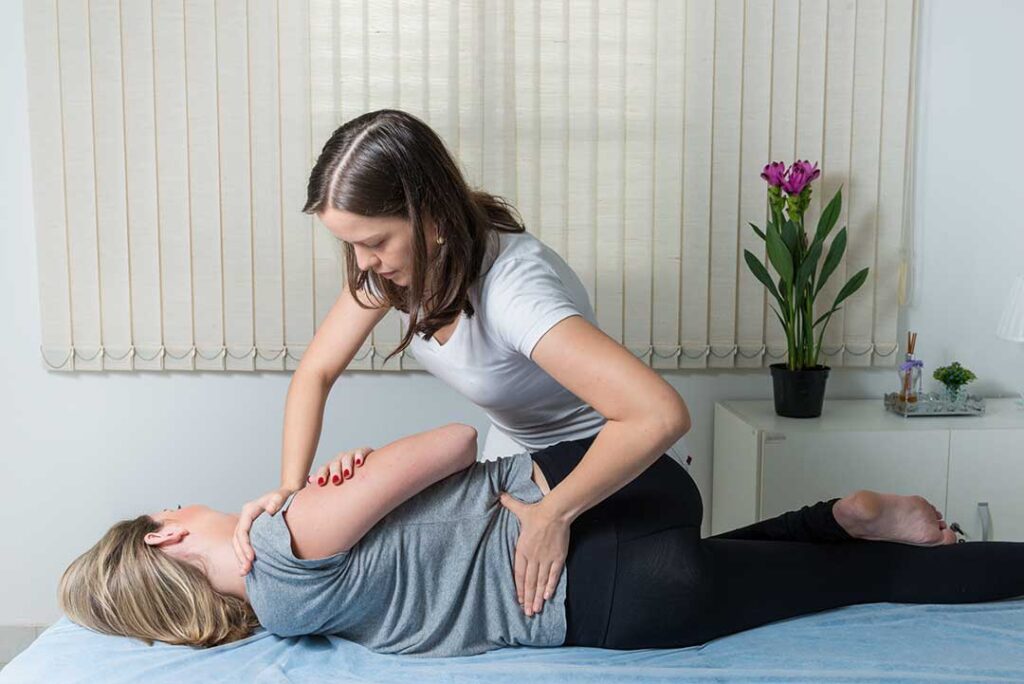
Chiropractic care may help some older adults manage back pain, neck discomfort, joint stiffness, and movement limitations. Its most useful role is generally supportive: improving comfort and function through individualized assessment, gentle hands-on techniques, mobility work, and exercise guidance—not replacing medical care or promising to reverse age-related conditions.
Can chiropractic care benefit seniors?
Yes, some seniors may experience improved comfort and movement after carefully selected chiropractic treatment. Potential benefits depend on the source of the problem, general health, bone strength, medications, and the type of care used.
Common goals may include:
- Reducing back or neck discomfort
- Improving spinal and joint mobility
- Supporting safer movement during daily activities
- Decreasing stiffness after sitting or sleeping
- Helping a person remain active within safe limits
- Providing exercise and posture guidance
Older adults often manage several health conditions at once. Arthritis, previous injuries, osteoporosis, spinal narrowing, muscle weakness, and balance changes can all affect how treatment should be provided. A thorough health history is therefore more important than age alone.
What conditions might respond to chiropractic care?
Chiropractic treatment is most often considered for musculoskeletal complaints, meaning problems involving muscles, joints, bones, ligaments, and related movement patterns.
Some older adults seek care for:
- Mechanical low-back pain
- Mild or moderate neck pain
- Joint stiffness related to osteoarthritis
- Muscle tension around the shoulders or hips
- Discomfort after a minor strain
- Reduced flexibility that makes walking, reaching, or rising from a chair harder
Treatment may include gentle mobilization, soft-tissue techniques, stretching, strengthening exercises, and advice about movement habits. Spinal manipulation is only one possible technique and may not be appropriate for every person.
Evidence is stronger for some types of uncomplicated back and neck pain than for broad claims about general wellness or internal disease. Chiropractic care should not be presented as a treatment for cancer, infections, serious neurological disease, osteoporosis, or other conditions requiring medical management.
Is chiropractic treatment safe for older adults?
It can be safe when the approach is adapted to the individual, but older adults may face risks that require extra caution. Aging can involve reduced bone density, blood-thinning medication, joint replacement, balance problems, or slower recovery from injury.
Before treatment, it is useful to discuss:
- Osteoporosis or a history of fractures
- Recent falls or injuries
- Joint replacement surgery
- Blood-thinning medication
- Cancer history
- Severe arthritis or spinal stenosis
- Numbness, weakness, or changes in coordination
- Dizziness or fainting
- Recent surgery
- Long-term steroid use
Forceful or high-velocity techniques may not be suitable for someone with fragile bones, certain vascular conditions, significant spinal instability, or other medical concerns. Gentle methods, positioning adjustments, or exercise-based care may be more appropriate.
A senior should receive prompt medical evaluation for new loss of bladder or bowel control, rapidly worsening weakness, unexplained weight loss, fever with back pain, severe pain after a fall, chest pain, or sudden difficulty speaking or walking. These symptoms should not be managed as routine joint or muscle discomfort.

Can chiropractic care help prevent falls?
Chiropractic care alone has not been established as a complete fall-prevention program. Falls are influenced by leg strength, balance, vision, footwear, medications, blood pressure, home hazards, and neurological or medical conditions.
However, care focused on mobility and movement may complement a broader fall-prevention plan. Strength and balance activities are especially important for older adults. A suitable plan might include supported sit-to-stand exercises, walking, leg strengthening, flexibility work, and balance practice adapted to the person’s abilities.
Fall prevention at home also matters. In area households, common risks may include loose rugs, dim stairways, cluttered walkways, wet entry floors, and slippery outdoor surfaces after rain, freezing temperatures, or winter weather. Handrails, brighter lighting, secure footwear, and clear paths can reduce avoidable hazards.
A history of falling should be shared with a primary-care clinician. Medication review, vision assessment, gait evaluation, and physical therapy may be more important than spinal treatment for reducing future falls.
What should a senior expect during an evaluation?
A careful evaluation should begin with questions about symptoms, medical history, medications, previous injuries, daily activities, and personal goals. The examination may include posture, walking pattern, joint motion, muscle strength, sensation, and balance.
The clinician may also consider whether imaging or referral is needed. X-rays or other tests are not automatically necessary for every episode of back pain, but they may be appropriate when there has been trauma, suspected fracture, unusual pain, neurological symptoms, or a significant medical history.
Treatment should be explained in plain language. A senior or family caregiver should understand what technique is being proposed, what discomfort may occur afterward, and which symptoms require follow-up. A treatment plan that includes home exercises and gradual activity is generally more useful than passive care alone.
Does chiropractic care replace physical therapy or medical care?
No. Chiropractic care, physical therapy, and medical care have different roles and may sometimes be combined.
Physical therapy is often particularly useful for rebuilding strength, improving balance, restoring function after surgery, and reducing fall risk. Medical evaluation is necessary for symptoms caused by fractures, inflammatory disease, nerve compression, infection, medication effects, or other non-mechanical conditions.
A coordinated plan is helpful when several providers are involved. Keeping an updated list of medications, diagnoses, surgeries, and recent falls can reduce the chance of conflicting recommendations.
How can seniors make care more effective?
Older adults often benefit from setting a specific functional goal rather than focusing only on pain scores. Examples include walking to a nearby destination, standing from a dining chair, turning safely in the kitchen, sleeping more comfortably, or managing stairs with less difficulty.
Practical steps include:
- Report new symptoms instead of assuming they are normal aging.
- Begin exercises gradually and stop if sharp pain, dizziness, or unusual weakness occurs.
- Use a stable support when practicing balance activities.
- Wear supportive, well-fitting shoes.
- Avoid remaining seated for long periods when movement is safe.
- Bring a current medication list to health visits.
- Ask how a recommended technique fits with osteoporosis, surgery, or blood-thinning medication.
- Track whether daily function is improving over several weeks.
The main benefit of chiropractic care for a senior is not simply temporary relief. The more meaningful measure is whether the person can move more comfortably and safely while staying active in ways that support independence. For many older adults, the most appropriate plan combines cautious hands-on care with strength, balance training, medical oversight, and practical changes at home.
