

Long car rides, crowded transit, airport waits, and unfamiliar beds can all aggravate the lower back. The main problems are usually prolonged sitting, limited movement, awkward lifting, and trying to do too much immediately after arrival.
For residents of Lynbrook, NY, travel may involve driving to a regional airport, spending hours on the road, or combining trains, buses, and walking with luggage. A few practical adjustments can reduce stiffness and lower the chance of a painful flare-up.
Why does travel often trigger lower back pain?
Travel places the body in positions that are difficult to change. Sitting with the hips bent for several hours can make the lower back feel tight, especially when the seat is poorly adjusted or the traveler cannot stand and move freely.
Luggage creates a second common problem. Suitcases are often lifted from the floor, twisted into car trunks, pulled over uneven ground, or raised into overhead compartments. Even a relatively light bag can strain the back if it is handled while reaching, rotating, or bending.
Sleep can also contribute. A mattress, pillow, or sleeping position that differs from what the body is used to may cause morning stiffness. Long periods of walking after a sedentary journey can add another sudden demand on the back and hips.
How should a car seat be adjusted for a long trip?
The seat should allow the driver or passenger to sit close enough to avoid reaching, while still leaving comfortable room for the knees and hips. The backrest should support an upright, relaxed position rather than forcing the torso to lean far backward or forward.
Useful adjustments include:
- Keep the hips level with, or slightly higher than, the knees when possible.
- Move the seat close enough that the elbows remain slightly bent.
- Use the headrest for support without pushing the head forward.
- Place a small rolled towel or thin cushion at the natural curve of the lower back if the seat feels flat.
- Keep both feet supported rather than sitting on one leg or twisting toward the door.
- Remove bulky items from back pockets, which can tilt the pelvis and create uneven pressure.
A seat that feels comfortable at the beginning of a trip may become uncomfortable later. Change position before pain becomes intense instead of waiting for the back to stiffen completely.
How often should travelers stop to move?
For road trips, plan a break about every 60 to 90 minutes when practical. A short walk is generally more useful than remaining seated and simply stretching the legs in place. Walking allows the hips, back, and legs to change position gradually.
During a stop:
1. Get out of the vehicle without twisting abruptly.
2. Walk for several minutes.
3. Gently move the ankles, hips, and shoulders.
4. Take a few slow breaths and allow the muscles to relax.
5. Return to the vehicle before fatigue encourages slouched sitting.
Passengers on trains, buses, or airplanes can benefit from changing position regularly, moving the ankles, and standing or walking when it is safe and permitted. Travelers with a history of blood clots or other circulation concerns may need individualized medical guidance for longer journeys.
What is the safest way to lift and carry luggage?
Lift luggage from a position that keeps it close to the body. Face the bag rather than reaching across it, bend through the hips and knees, and avoid twisting while lifting. Turn the entire body with the feet if a change of direction is necessary.
Before lifting, check the bag’s weight and handle position. If it is too heavy or awkward, divide the load into smaller pieces when possible. Rolling luggage is often easier to manage, but pulling a heavy bag behind the body can still cause twisting, especially over curbs, stairs, or uneven pavement.
For car trunks, place the suitcase near the edge before lifting it out. Avoid leaning deep into the trunk with the legs outside the vehicle. For overhead storage, ask for assistance rather than forcing a heavy bag above shoulder height.
Back belts and rigid supports are not a substitute for safe lifting technique. They may create a false sense of security and do not eliminate the strain caused by twisting or overloading.
Can stretching prevent pain during a trip?
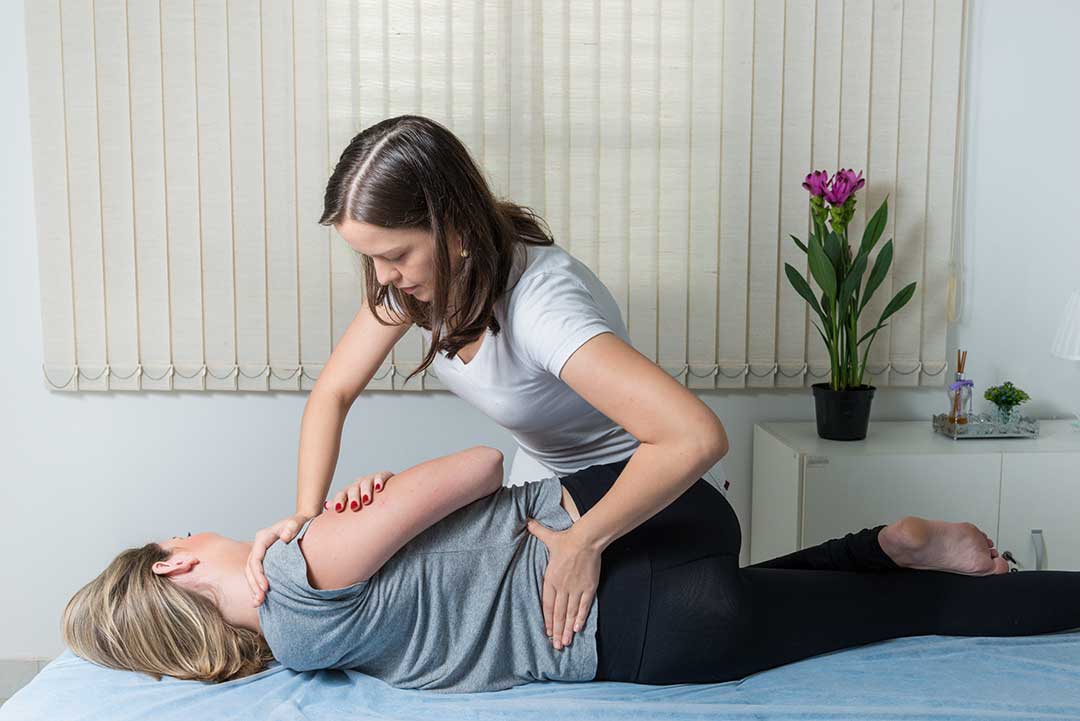
Gentle movement can reduce stiffness, but stretching should not be forceful or painful. Before departure, regular walking and basic strengthening may help the back tolerate sitting and carrying more effectively than a single intense stretching session.
During travel, try simple movements such as:
- Ankle pumps and circles while seated
- Gentle shoulder rolls
- Controlled standing and walking
- Light hip movement after getting out of the car
- Slow forward or backward movement within a comfortable range
Do not bounce, force the spine into a deep twist, or continue an exercise that causes sharp pain, numbness, tingling, or pain traveling down a leg. People with an existing injury or recurring symptoms may need a personalized exercise plan rather than a general travel routine.
What should travelers do if the back becomes sore?
Mild stiffness often improves with a change of position, a brief walk, and a return to ordinary activity. Remaining in bed or sitting for the rest of the day can increase stiffness for some people.
Use a comfortable sleeping position at the destination. Side sleepers may place a pillow between the knees, while back sleepers may find support under the knees helpful. Avoid sleeping in a twisted position on a couch or in a cramped seat if another option is available.
Over-the-counter pain medicine may not be appropriate for everyone. People with kidney disease, stomach ulcers, blood-thinning medication, pregnancy, medication allergies, or other health conditions should check with a qualified healthcare professional before using it.
When is travel-related back pain a warning sign?
Back pain needs prompt medical attention if it follows a major fall, collision, or other significant injury. Medical evaluation is also appropriate for new or worsening weakness, numbness in both legs, loss of bladder or bowel control, numbness around the groin, fever, unexplained weight loss, or severe pain that does not improve.
Pain that travels below the knee, persistent night pain, or symptoms that continue for several weeks also deserve assessment. Sudden shortness of breath, chest pain, coughing blood, or one-sided leg swelling after prolonged travel may indicate a serious circulation problem and requires emergency care.
Planning movement breaks, adjusting the seat, packing lighter, and lifting carefully can make travel more comfortable without turning the trip into a rigid exercise program. The goal is to avoid staying in one position too long and to treat the back as part of the whole body rather than as an isolated area.
