

Back pain is common during pregnancy, but severe, sudden, or unusual pain should not be dismissed. As the uterus grows, the body’s center of gravity shifts, abdominal muscles stretch, and pelvic ligaments become more flexible. These changes can increase strain on the lower back, hips, and pelvis.
For residents in Lynbrook, NY, everyday factors such as long commutes, standing while preparing meals, climbing stairs, carrying groceries, and spending time seated at a desk can add to pregnancy-related discomfort. The safest approach combines gentle movement, better body support, careful lifting, and attention to warning signs.
What causes back pain during pregnancy?
Pregnancy-related back pain often develops because the spine and pelvis are adapting to changing weight and posture. Hormonal changes also loosen certain ligaments, which can make the joints around the pelvis feel less stable.
Pain may be felt across the lower back, around the hips, or near the sacroiliac joints at the back of the pelvis. Some people notice aching after standing or walking, while others feel more discomfort when rolling over in bed, getting out of a car, or remaining in one position for too long.
Back pain is common, but it is not always caused by normal pregnancy changes. A urinary infection, early labor, injury, or another medical condition can also cause back discomfort.
Which daily habits can ease back pain?
Small adjustments to posture and movement can reduce stress on the back.
- Sit with the lower back supported by the chair or a small cushion.
- Keep both feet supported rather than sitting twisted or perched on one leg.
- Change positions regularly instead of remaining seated or standing for long periods.
- When standing, keep weight balanced between both feet and avoid locking the knees.
- Wear supportive, low-heeled shoes that feel stable on indoor and outdoor surfaces.
- Turn by moving the feet rather than twisting the spine.
- Avoid lifting heavy objects whenever possible.
For household tasks, divide loads into smaller amounts. Carrying two light bags may be easier than carrying one heavy bag on one side. Items frequently used on low shelves can be moved to waist height to reduce repeated bending.
How should someone lift during pregnancy?
Safe lifting means using the legs instead of bending from the waist. Move close to the object, bend the knees, keep the back in a neutral position, and rise slowly. Keep the object close to the body.
Avoid lifting while twisting, reaching far forward, or holding the breath. A heavy laundry basket, full pet-food container, or loaded shopping bag may be more stressful than expected, particularly later in pregnancy.
If an object feels too heavy or awkward, it is safer to leave it in place and ask for assistance than to risk a strain or fall.
Is walking or exercise safe for pregnancy-related back pain?
For many people with uncomplicated pregnancies, gentle activity can help maintain strength and reduce stiffness. Walking is often well tolerated, and water exercise can feel especially comfortable because buoyancy reduces the load on the spine and pelvis.
A short walk on level ground may be more practical than a long outing. During icy or wet weather, use extra caution on sidewalks, steps, and entryways because a fall can cause injury even when back pain was already present.
Pregnancy exercise should be comfortable rather than competitive. Slow prenatal stretching, pelvic-floor exercises, and movements recommended by an obstetric clinician or pregnancy-trained physical therapist may help. Stop if an exercise causes pain, dizziness, weakness, bleeding, fluid leakage, regular contractions, chest pain, or shortness of breath before exertion.
After roughly 20 weeks, prolonged exercise while lying flat on the back may cause lightheadedness in some people. Side-lying, standing, seated, or hands-and-knees positions are often more suitable, depending on individual medical guidance.
What sleeping positions and supports may help?
Side sleeping is generally more comfortable later in pregnancy than lying flat on the back. A pillow between the knees can reduce pulling around the hips and pelvis. Some people also benefit from a small pillow under the abdomen or a full-length body pillow.
The goal is not to force a single “perfect” position. Instead, use pillows to keep the spine, pelvis, and hips in a relaxed alignment. When getting out of bed, roll onto the side first, lower the legs, and push up with the arms rather than sitting straight up.
A mattress that provides consistent support may also reduce morning stiffness. If a mattress sags noticeably, changing the sleep surface may be more helpful than adding multiple soft pillows.
Can heat, cold, massage, or chiropractic care be used?
A warm—not hot—compress may relax sore muscles. Use the lowest comfortable setting, place a cloth between the heat source and skin, and limit the duration to avoid burns or overheating. A cool pack wrapped in fabric may help after activity or when the area feels irritated.
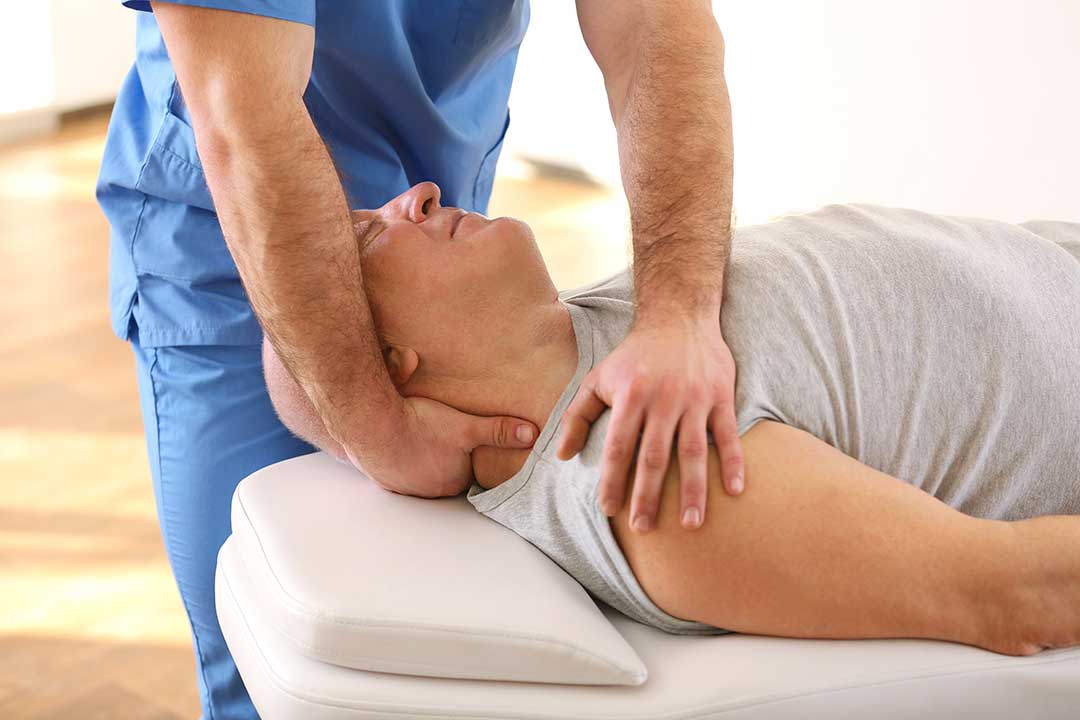
Gentle massage can be soothing when performed carefully, especially around the lower back and hips. Avoid forceful pressure, uncomfortable positions, or techniques that cause pain.
Chiropractic care and manual therapy may help some people with pregnancy-related back or pelvic discomfort, but treatment should be adapted for pregnancy and coordinated with the obstetric care team. Any chiropractor or manual therapist should know how far along the pregnancy is, whether complications are present, and what symptoms are being experienced. Forceful manipulation, unnecessary pressure on the abdomen, and treatment that causes pain should be avoided.
Which pain medicines are safe?
Do not assume that an over-the-counter pain reliever is safe simply because it is commonly used. Acetaminophen may be recommended during pregnancy for some people, but the correct dose and duration depend on personal health factors, other medicines, and the advice of an obstetric clinician.
Nonsteroidal anti-inflammatory drugs, including ibuprofen and naproxen, should not be taken during pregnancy unless specifically advised by the pregnancy care team. Herbal products, topical creams, and essential oils also deserve review because “natural” does not automatically mean pregnancy-safe.
When does back pain require medical attention?
Call the obstetric care team promptly for severe pain, pain that persists for more than two weeks, or pain that follows a fall or other injury.
Urgent evaluation is needed when back pain occurs with:
- Vaginal bleeding or fluid leakage
- Fever or chills
- Burning or pain with urination
- Pain in the side or below the ribs
- Abdominal cramping or regular contractions
- New weakness, numbness, or loss of feeling in the legs or pelvic area
- Difficulty controlling the bladder or bowel
- Dizziness, fainting, or trouble breathing
Back pain should not be used as a reason to delay evaluation of these symptoms. A pregnancy care team can determine whether the discomfort is musculoskeletal or requires treatment for another condition.
A practical daily approach
A reasonable routine may include brief walks, frequent position changes, supportive footwear, side sleeping with pillows, careful lifting, and short periods of gentle stretching. Keep activities within a comfortable range and adjust them as pregnancy progresses.
The safest plan is individualized. Back pain that is mild and improves with rest may respond to these measures, while persistent or worsening pain deserves medical assessment before beginning a new exercise, medication, or hands-on treatment program.
