
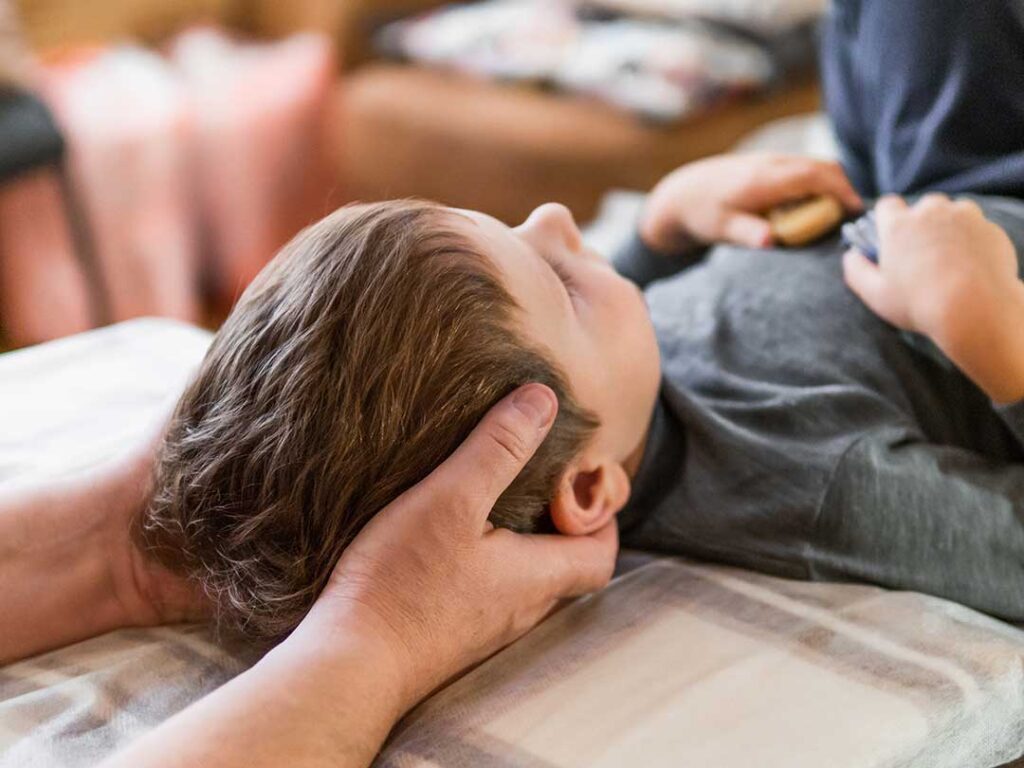
How can chiropractic care support an active household?
For families in Lynbrook, NY, staying active may include school sports, walking, cycling, gym workouts, recreational leagues, weekend activities, and everyday tasks such as carrying groceries or shoveling snow. Chiropractic care may support these activities by addressing certain muscle, joint, and movement concerns, particularly back pain, neck discomfort, stiffness, and reduced mobility.
Chiropractic care is not a replacement for emergency treatment, medical diagnosis, physical therapy, or sports medicine. Its role is usually focused on the musculoskeletal system: the muscles, joints, bones, and movement patterns that help people function during daily life and exercise.
A careful approach begins with a health history, discussion of symptoms, and an assessment of whether chiropractic care is appropriate. Treatment may include manual techniques, mobility exercises, strengthening guidance, posture education, and recommendations for gradually returning to activity.
What problems might active adults bring to a chiropractor?
Adults often seek help for discomfort related to lifting, prolonged sitting, repetitive work, exercise, or a sudden increase in activity. Common examples include:
- Low-back pain after yardwork, household projects, or lifting
- Neck and upper-back tension related to desk work or driving
- Shoulder or hip stiffness that affects exercise
- Joint discomfort after increasing walking, running, or strength training
- Muscle tightness that limits normal movement
- Recurring aches that interfere with sleep or daily tasks
Chiropractic treatment may provide modest improvement for some types of low-back pain, especially when combined with continued movement and self-management. Staying active within reasonable limits is generally preferable to extended bed rest, although the right activity level depends on the cause and severity of symptoms.
A treatment plan should focus on function rather than only temporary symptom relief. For example, a useful goal may be improving the ability to climb stairs, sit through a school event, lift a child safely, or return to a preferred activity without repeatedly aggravating the same area.
Can chiropractic care help children and teenagers involved in sports?
Children and teenagers may experience activity-related soreness, overuse problems, sprains, and movement limitations. However, young people are still growing, and persistent pain should not automatically be treated as a simple alignment issue or muscle strain.
For a child or teenager, a thorough evaluation should consider:
- The type and frequency of sport or activity
- Recent changes in training volume
- Growth-related changes in coordination or flexibility
- Previous injuries
- Sleep, nutrition, and recovery habits
- Pain that occurs at rest or wakes the child at night
Parents should be cautious about claims that spinal adjustments can prevent illness, improve school performance, or correct unrelated health conditions. Evidence for chiropractic care in children is more limited than evidence for some adult musculoskeletal complaints, and safety depends on appropriate screening, age-appropriate care, and clear communication with the child’s primary healthcare team when needed.
A young athlete should not be pushed back into play simply because pain temporarily improves. Returning to activity should also consider strength, balance, range of motion, sport-specific movement, and the ability to perform without significant pain.
What does injury prevention look like for busy families?
Injury prevention usually depends more on consistent habits than on any single treatment. Families can reduce avoidable strain by increasing activity gradually, warming up before demanding exercise, using proper equipment, and allowing time for recovery.
During the colder months, icy sidewalks, snow removal, and sudden outdoor exertion can place extra stress on the back and shoulders. Shoveling is safer when loads are kept light, the handle is comfortable, the body is turned with the feet rather than twisted through the spine, and breaks are taken regularly.
At home, practical habits include:
- Alternating sitting, standing, and walking during long work or study periods
- Keeping frequently used items within easy reach
- Using both hands when carrying uneven or heavy loads
- Adjusting backpacks so weight stays close to the body
- Replacing worn athletic shoes when they no longer provide adequate support
- Taking rest days when training intensity increases
- Treating persistent soreness as information rather than something to ignore

Families with different fitness levels can stay active together through walking, gentle cycling, swimming, mobility work, or age-appropriate strength exercises. The goal is regular movement that can be maintained safely.
Is soreness after treatment normal?
Mild soreness, stiffness, or temporary discomfort can occur after some forms of manual therapy and often resolves within a short period. Severe pain, worsening symptoms, new weakness, numbness, loss of coordination, or other unusual changes should not be dismissed as a normal response.
Before treatment, people should share information about recent injuries, osteoporosis, inflammatory conditions, cancer history, blood-clotting problems, medications, pregnancy, or neurological symptoms. These details can affect whether a technique is suitable.
The neck deserves particular caution. High-velocity neck manipulation is not appropriate for everyone, and rare but serious complications have been reported. A person should understand what technique is being proposed, why it is being considered, and what alternatives may be available.
When should a family seek medical evaluation instead?
Chiropractic care is not the first step for every injury or pain complaint. Urgent medical evaluation is appropriate after a major fall, collision, or other significant trauma, especially when there is severe pain, visible deformity, inability to bear weight, or suspected fracture.
Prompt medical attention is also warranted for back or neck pain accompanied by:
- New loss of bladder or bowel control
- Numbness in the groin or inner thighs
- Progressive weakness in an arm or leg
- Fever, unexplained weight loss, or severe illness
- Pain that is constant, rapidly worsening, or present at rest
- Chest pain, shortness of breath, fainting, or severe headache
Pain that does not improve, repeatedly returns, or interferes with normal activity deserves a broader assessment. Depending on the situation, coordinated care may involve a primary care clinician, physical therapist, sports medicine clinician, orthopedic specialist, or another qualified healthcare professional.
How should families think about chiropractic care?
For active households, chiropractic care is best viewed as one possible part of a larger movement and health plan. It may help some people manage musculoskeletal pain or regain comfortable movement, but it cannot replace conditioning, recovery, proper technique, medical evaluation, or sensible activity progression.
The most useful care is individualized, transparent about benefits and limitations, and connected to practical goals. Families should expect clear explanations, appropriate safety screening, and guidance that supports normal activity rather than creating unnecessary dependence on repeated treatment.
BLOG END:VEVENT
