
Arthritis can make ordinary activities—walking, climbing stairs, opening jars, or standing for long periods—more uncomfortable. The most useful approach is usually a combination of regular movement, joint protection, symptom tracking, and medical care when needed. Chiropractic care may play a limited supportive role for some people, particularly when arthritis is accompanied by stiffness or related muscle and joint discomfort, but it does not cure arthritis or replace evaluation for inflammatory or progressive disease.
What type of arthritis do you have?
The word “arthritis” describes more than 100 conditions, and the right management strategy depends on the cause. Osteoarthritis commonly develops through gradual wear and changes in joint tissues. Rheumatoid arthritis and other inflammatory forms can cause swelling, warmth, prolonged morning stiffness, fatigue, and symptoms affecting several joints.
A new or worsening joint problem should not automatically be assumed to be ordinary aging. A medical evaluation may be appropriate if pain persists, the joint repeatedly swells, symptoms affect sleep, or stiffness lasts more than about 30 minutes after waking.
Understanding the type of arthritis helps determine whether exercise, medication, physical therapy, chiropractic treatment, or a combination of approaches is appropriate.
Can chiropractic care help arthritis symptoms?
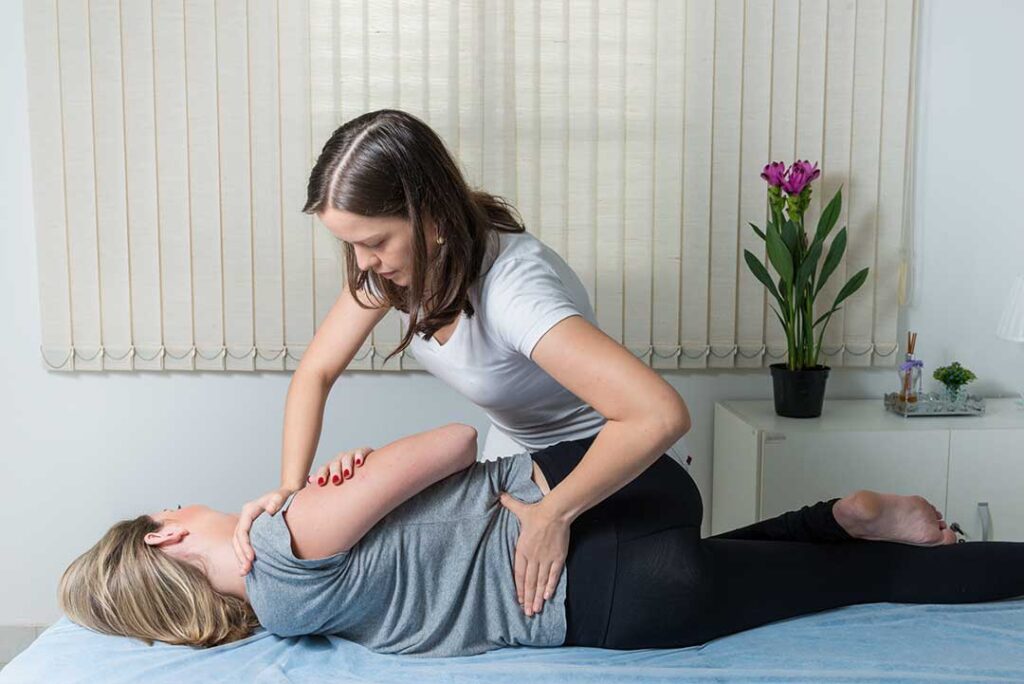
Chiropractic treatment may help some people move more comfortably by addressing stiffness in the spine, hips, or surrounding joints. Gentle mobilization, soft-tissue work, posture education, and exercise guidance may be used to support mobility and reduce strain on nearby muscles.
The goal should be improved function rather than “putting arthritis back into place.” Arthritis-related cartilage changes cannot be reversed through spinal manipulation. Evidence for chiropractic care is stronger for certain types of back and neck pain than for treating arthritis inside a specific joint.
Forceful techniques are not appropriate for everyone. People with osteoporosis, significant joint instability, recent fractures, advanced inflammatory disease, nerve symptoms, or certain blood-clotting or medication concerns may require a different approach. Any treatment plan should account for the diagnosis, affected joints, age, medications, and other health conditions.
Which exercises are safest?
Regular movement is one of the most reliable ways to manage arthritis-related pain and stiffness. Exercise can improve joint motion, muscle strength, balance, mood, and the ability to perform daily tasks.
Start with a level that feels manageable rather than trying to exercise through severe pain. Short sessions of five to ten minutes can be repeated throughout the day. Useful options include:
- Walking at a comfortable pace
- Water exercise or swimming
- Stationary cycling
- Tai chi or gentle balance work
- Range-of-motion exercises
- Resistance bands or light strengthening exercises
Strengthening the muscles around a painful joint can reduce the workload placed on that joint. For knee or hip arthritis, gradual strengthening of the thighs, hips, and core may improve walking and stair tolerance. For hand arthritis, gentle range-of-motion exercises and tools that reduce gripping force may be useful.
A mild increase in soreness after starting an activity can occur, but severe pain, marked swelling, or symptoms that continue worsening are signals to reduce the activity and seek individualized guidance.
How should heat and cold be used?
Heat and cold can serve different purposes. Warmth may reduce stiffness and make movement easier, especially before stretching or activity. A warm shower, heating pad, or warm towel may be helpful for a limited period.
Cold may be more useful after activity when a joint feels irritated or swollen. A cold pack should be wrapped in cloth rather than placed directly on the skin. Neither heat nor cold should cause burning, numbness, or skin discoloration.
People with reduced sensation, circulation problems, or diabetes should use extra caution because they may not notice tissue damage quickly.
How can daily habits protect painful joints?
Joint protection means reducing unnecessary stress without becoming inactive. Residents in Lynbrook often deal with stairs, walking on hard surfaces, household maintenance, winter conditions, and periods of prolonged sitting. Small adjustments can make these routines easier on painful joints.
Consider:
- Changing position every 30 to 60 minutes instead of sitting for long periods
- Using a railing on stairs and taking steps slowly during icy or wet weather
- Dividing heavy household tasks into smaller sessions
- Keeping frequently used items within easy reach
- Choosing supportive, comfortable footwear
- Using carts, jar openers, or larger handles to reduce hand strain
- Alternating standing, walking, and seated activities

During colder months, stiffness may feel more noticeable when people spend more time indoors or move less. Cold weather does not necessarily damage a joint, but reduced activity, muscle tension, and changes in routine can amplify discomfort. A brief indoor movement routine can help maintain mobility.
Does body weight affect arthritis?
Weight management can reduce stress on weight-bearing joints such as the knees, hips, ankles, and lower back. Even modest weight loss may improve pain and mobility for people carrying excess weight.
The goal should not be rapid dieting. A sustainable pattern of balanced meals, adequate protein, regular movement, and sufficient sleep is more practical. People with arthritis may benefit from focusing on improvements such as easier walking, better stamina, or reduced stiffness rather than relying only on a number on the scale.
When should arthritis symptoms be evaluated promptly?
Certain symptoms need more than home care or routine mobility work. Seek prompt medical attention for:
- A hot, red, severely swollen joint
- Fever with joint pain or swelling
- Sudden inability to bear weight
- New weakness, numbness, or loss of coordination
- Loss of bladder or bowel control with back pain
- Pain after a significant fall or injury
- Unexplained weight loss, severe fatigue, or rapidly worsening symptoms
These signs can indicate infection, fracture, nerve compression, inflammatory disease, or another condition requiring timely diagnosis.
What is a realistic arthritis management plan?
A practical plan usually combines daily movement with periods of rest, strength training, symptom monitoring, and appropriate medical care. Keep a simple record of which activities increase or reduce pain, how long morning stiffness lasts, and whether swelling or fatigue is changing.
Chiropractic care may be considered as one part of a broader plan when the treatment is gentle, diagnosis-informed, and focused on function. It should complement—not replace—medical evaluation, prescribed medication, physical therapy, or other care needed for the specific type of arthritis.
