
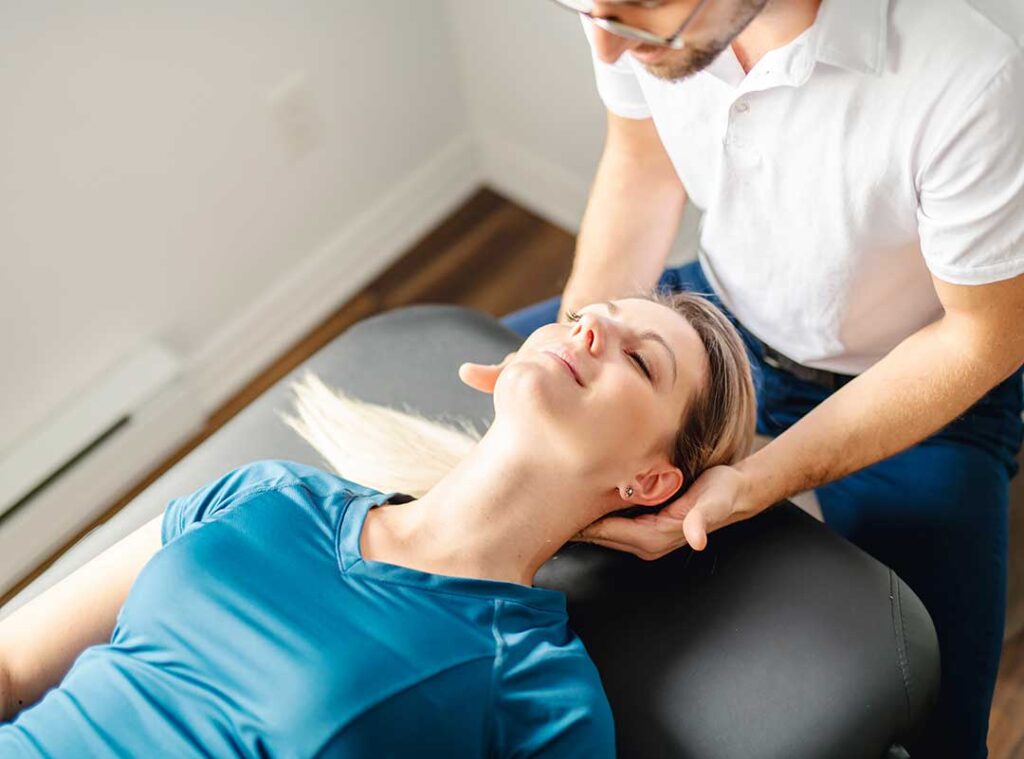
PMS can cause cramps, low-back discomfort, bloating, breast tenderness, headaches, fatigue, sleep changes, irritability, anxiety, and food cravings during the days or weeks before menstruation. Chiropractic adjustments may help some people with related muscle or joint discomfort, but current evidence does not show that spinal adjustments reliably treat PMS itself or correct the hormonal changes that cause it.
For residents of Lynbrook, NY, the practical question is not whether chiropractic care should replace gynecologic treatment. It is whether a carefully selected musculoskeletal approach might be useful as one part of a broader plan, particularly when back, hip, or pelvic-area discomfort is prominent.
What is PMS?
PMS is a recurring pattern of physical, emotional, and behavioral symptoms that appears before a menstrual period and improves after bleeding begins or shortly afterward. Symptoms vary considerably from person to person and may change over time.
Common symptoms include:
- Abdominal cramping and low-back pain
- Bloating, swelling, or breast tenderness
- Headaches or migraine symptoms
- Fatigue, sleep disruption, or difficulty concentrating
- Irritability, sadness, anxiety, or mood swings
- Food cravings and appetite changes
PMS is different from ordinary occasional discomfort because the timing is predictable and the symptoms repeat across menstrual cycles. Tracking symptoms for at least two cycles can help show whether they follow a consistent pattern.
Can a chiropractic adjustment reduce PMS symptoms?
The evidence is limited and does not establish spinal manipulation as a dependable treatment for PMS. Small or older studies have examined chiropractic manipulation and other manual therapies, but the research has generally been too limited or inconsistent to confirm a meaningful effect on the broader PMS symptom pattern.
An adjustment may sometimes ease a mechanical problem that becomes more noticeable before or during menstruation. For example, hormonal changes, fluid retention, altered sleep, reduced activity, or muscle tension may make existing low-back or pelvic-area discomfort feel worse. If the pain is partly related to joints or muscles, treatment directed at that source could provide short-term relief.
That is different from saying an adjustment balances hormones, improves ovarian function, removes “toxins,” or treats the underlying cause of PMS. Those claims are not supported by reliable clinical evidence.
Which symptoms might respond to musculoskeletal care?
Chiropractic care is more plausibly relevant to pain that has a musculoskeletal component than to mood or hormonal symptoms. A person may notice improvement in:
- Low-back stiffness
- Hip or pelvic-area muscle tension
- Postural discomfort from prolonged sitting
- Pain that changes with movement or position
- Muscle soreness associated with reduced activity or poor sleep
It is much less reasonable to expect an adjustment to directly resolve breast tenderness, bloating, food cravings, depression, anxiety, or the hormonal pattern of the menstrual cycle.
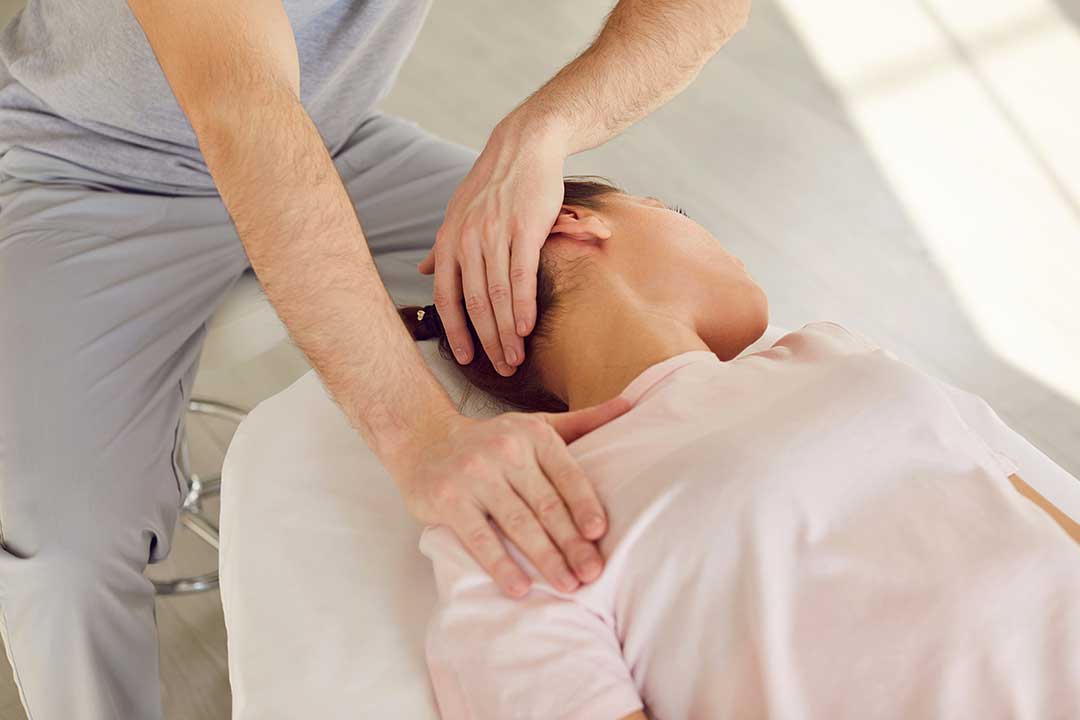
A gentle approach may be more appropriate than forceful manipulation when symptoms are severe, when pain is unfamiliar, or when there is tenderness in the abdomen or pelvis. Care should be based on an examination rather than on the assumption that every menstrual symptom comes from spinal misalignment.
What treatments have stronger support?
For mild to moderate PMS, routine habits may help reduce symptom severity over time. Regular aerobic activity, adequate sleep, relaxation practices, and a balanced eating pattern are commonly recommended. Some people find that limiting excess salt, alcohol, caffeine, and highly processed foods reduces bloating, breast discomfort, or sleep problems.
For pain, nonsteroidal anti-inflammatory drugs such as ibuprofen or naproxen may help some people when used safely and according to label directions. They are not appropriate for everyone, including some people with ulcers, kidney disease, bleeding disorders, certain medication interactions, or specific pregnancy-related concerns.
Medical treatment may be appropriate when symptoms interfere with work, school, relationships, exercise, or sleep. Depending on the symptom pattern, a clinician may discuss hormonal birth control, antidepressant medication, cognitive behavioral therapy, or other options. Supplements such as calcium or magnesium should be discussed with a qualified medical professional because dose, medication interactions, and health conditions matter.
Could severe symptoms be something other than PMS?
Yes. Symptoms that are severe, new, progressively worsening, or present throughout the month deserve evaluation rather than being automatically labeled PMS.
Possible conditions that can resemble or worsen premenstrual symptoms include:
- Premenstrual dysphoric disorder, or PMDD
- Endometriosis or adenomyosis
- Uterine fibroids
- Ovarian cysts
- Thyroid disorders
- Migraine conditions
- Depression or anxiety
- Irritable bowel syndrome
PMDD involves severe mood symptoms that significantly disrupt daily life. Persistent depression, hopelessness, panic, or thoughts of self-harm require prompt medical attention. Menstrual pain that causes fainting, vomiting, missed activities, unusually heavy bleeding, or pain between periods also warrants evaluation.
Is chiropractic care safe during the menstrual cycle?
Menstruation itself does not automatically make spinal manipulation unsafe. However, safety depends on the individual’s health, symptoms, medications, pregnancy status, bone health, and the type of technique used.
Temporary soreness, stiffness, headache, or increased discomfort can occur after manipulation. A careful health history should be provided, including osteoporosis, recent injury, inflammatory arthritis, bleeding problems, neurologic symptoms, cancer history, pregnancy, and medications that affect bleeding or bone strength.
Urgent medical evaluation is more appropriate than an adjustment for sudden severe pelvic or abdominal pain, fever, fainting, heavy unexplained bleeding, new leg weakness, loss of bladder or bowel control, or pain accompanied by possible pregnancy.
How can someone judge whether it is helping?
Track symptoms by cycle rather than relying on how a single day feels. Record the first day of bleeding, pain location and intensity, mood symptoms, sleep, activity, medications, and any treatment received.
If back or hip pain improves while bloating, mood changes, or breast tenderness remain unchanged, that suggests the treatment may be helping a musculoskeletal symptom rather than PMS as a whole. A useful plan should have a clear purpose, realistic expectations, and periodic review.
For many local households, long periods of sitting, commuting, indoor work, and reduced outdoor activity during cold or wet weather can contribute to stiffness around the low back and hips. Addressing those factors through movement breaks, walking, gentle strengthening, and comfortable sleep positioning may be as relevant as hands-on care for the pain component.
Chiropractic adjustments can be considered as a complementary option for selected musculoskeletal symptoms, but they should not be presented as a proven treatment for PMS or as a substitute for appropriate gynecologic or mental health care.
