
Pregnancy-related back pain is common, but severe, sudden, or unusual pain should not be dismissed. Changes in posture, weight distribution, hormones, and the muscles supporting the abdomen can all contribute to discomfort. Many people can reduce symptoms with gentle movement, better body mechanics, supportive rest positions, and guidance from their prenatal care team.
Why does pregnancy cause back pain?
Pregnancy can affect the back in several ways. As the uterus grows, the body’s center of gravity shifts forward. This may encourage a person to lean backward, increasing strain on the lower-back muscles.
Pregnancy hormones also loosen some ligaments around the pelvis. This helps prepare the body for childbirth but can make the joints feel less stable. At the same time, the abdominal muscles stretch and may provide less support for the spine.
Back pain may be felt across the lower back, around the pelvic joints, or near the tailbone. Pain that travels down a leg, causes numbness, or interferes with walking deserves medical attention.
What gentle activities may help?
For most people with uncomplicated pregnancies, gentle activity is safer and more helpful than prolonged bed rest. Walking, water exercise, and pregnancy-appropriate stretching can help maintain strength and reduce stiffness.
Try moving for short periods throughout the day rather than remaining seated for several hours. This can be especially useful for residents in apartment buildings or homes where daily routines include commuting, desk work, childcare, or extended periods of standing.
A gentle hands-and-knees stretch may ease tension:
- Place the hands beneath the shoulders and the knees beneath the hips.
- Keep the head aligned with the spine.
- Gently draw the abdomen inward and round the back slightly.
- Hold for a few seconds, then return to a neutral position.
- Stop if the movement causes pain, dizziness, abdominal discomfort, or pressure.
Do not begin a new exercise program without asking the prenatal care team, particularly if there are pregnancy complications, activity restrictions, bleeding, high blood pressure, or a history of premature labor.
How can posture and daily movements reduce strain?
Neutral posture can limit unnecessary stress on the lower back. When standing, keep the chest comfortably lifted, the shoulders relaxed, and the knees slightly bent rather than locked. A wider stance may improve balance as the abdomen grows.
When sitting, choose a chair with back support. A small cushion behind the lower back may help, but it should not force the spine into an exaggerated arch. Change positions regularly and take brief walking breaks.
Use care when lifting laundry baskets, groceries, or household items:
- Bend at the knees and hips instead of folding forward at the waist.
- Keep the object close to the body.
- Lift with the legs rather than pulling with the back.
- Avoid twisting while carrying.
- Ask for help with heavy or awkward loads.
During icy winter conditions, avoid carrying bulky items while walking on slippery surfaces. Falls during pregnancy should be reported to the prenatal care team, even if pain seems mild at first.
What sleeping positions may be more comfortable?
Side sleeping is often more comfortable as pregnancy progresses. Placing a pillow between the knees can keep the hips and pelvis in a more neutral position. Another pillow under the abdomen or behind the back may reduce rolling and provide additional support.
A full-length pillow is not required. Ordinary pillows can often be arranged to support the knees, belly, and back. The goal is comfort rather than forcing the body into one rigid position.
If lying flat on the back causes lightheadedness, shortness of breath, or discomfort, change position. During later pregnancy, many people prefer side sleeping because it reduces pressure and makes breathing easier.
Is heat or cold safe for pregnancy back pain?
A warm—not hot—compress may relax tight muscles. Use the lowest comfortable setting, place a cloth between the heat source and skin, and limit the time of application. Avoid overheating the entire body through hot tubs, saunas, or very hot baths.
A wrapped cold pack may help after activity or when the area feels irritated. Use it for short intervals rather than placing ice directly on the skin.
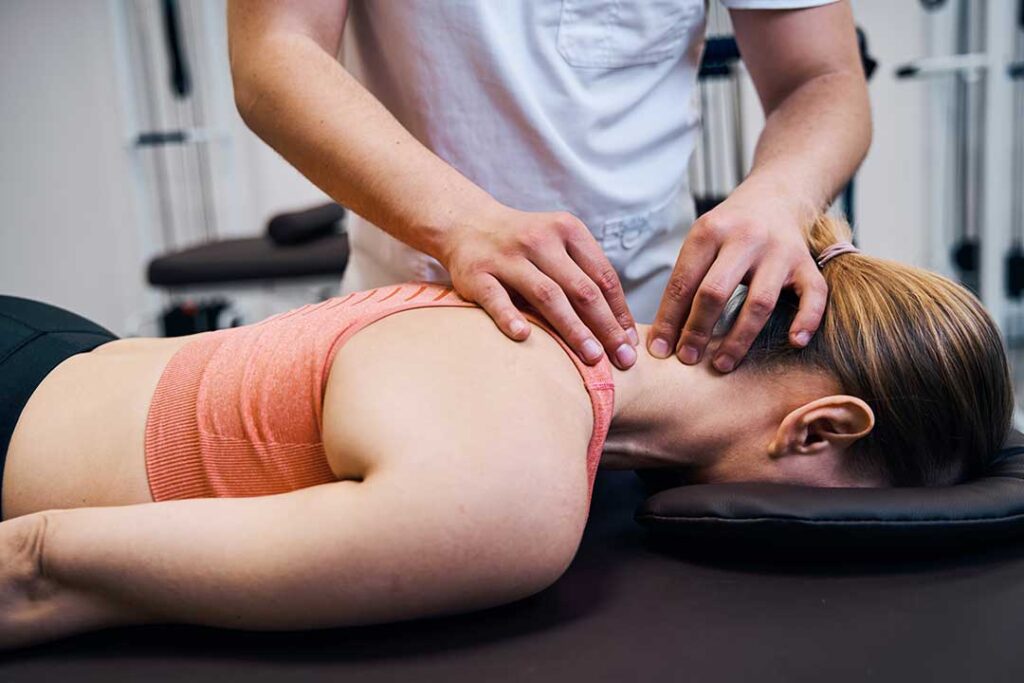
Massage may provide temporary comfort when performed gently. Avoid forceful pressure over the abdomen, spine, or painful joints. Anyone considering massage, acupuncture, chiropractic care, or another hands-on treatment should first discuss it with the prenatal care team and clearly tell the practitioner about the pregnancy and its stage.
Can a chiropractor help with pregnancy-related back pain?
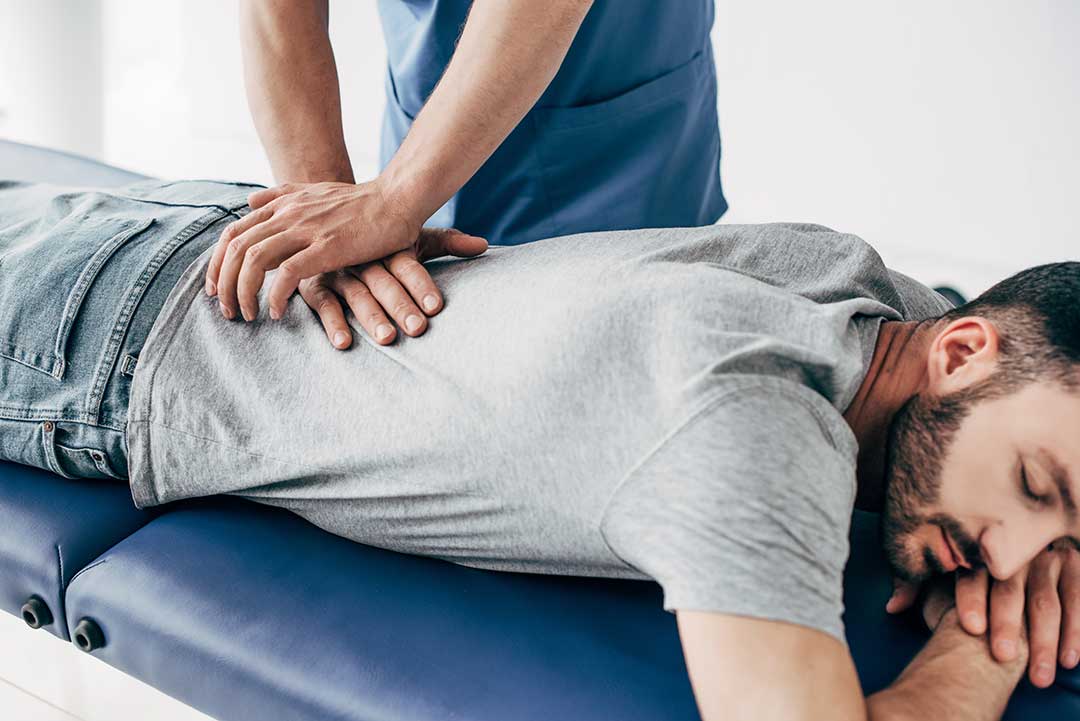
Some pregnant patients seek chiropractic care for mechanical back or pelvic discomfort. Evidence suggests that certain hands-on approaches may help some people, but results vary and not every technique is appropriate during pregnancy.
Safety depends on the individual’s health, pregnancy history, symptoms, and the method used. High-velocity or forceful techniques should not be performed without appropriate screening. A chiropractor should know about the pregnancy, current symptoms, medications, activity restrictions, and any instructions from the obstetric care team.
Chiropractic care should not be used to delay evaluation of symptoms that could involve labor, infection, nerve compression, or another medical condition.
Which pain medicines are safe?
Do not assume that an over-the-counter pain reliever is safe simply because it is commonly available. Acetaminophen may be recommended in some pregnancies, but the correct dose and duration should be confirmed with the prenatal care team. Other medicines, including anti-inflammatory drugs such as ibuprofen or naproxen, may not be appropriate at certain stages of pregnancy.
Check combination products carefully because the same ingredient may appear in several cold, flu, or pain medicines. Herbal products and concentrated supplements also require medical review.
When is pregnancy back pain an urgent concern?
Contact the prenatal care team promptly for back pain that is severe, persistent, rapidly worsening, or associated with other symptoms. Immediate guidance is particularly important if back pain occurs with:
- Vaginal bleeding or fluid leakage
- Fever or chills
- Painful urination or blood in the urine
- Regular cramping, contractions, or pelvic pressure
- New weakness, numbness, or difficulty walking
- Loss of bladder or bowel control
- Significant abdominal pain
- A fall, collision, or other injury
- Severe headache, vision changes, sudden swelling, or upper abdominal pain
Back pain that continues for more than a week or two, repeatedly disrupts sleep, or makes ordinary activities difficult also deserves assessment. A prenatal clinician may recommend targeted exercises, physical therapy, medication guidance, or further evaluation.
What is a practical starting plan?
For mild, familiar back discomfort, begin with a brief walk, gentle stretching, supportive sitting, and a side-lying rest position. Use warm or cold therapy cautiously, avoid heavy lifting, and monitor whether symptoms improve.
Pregnancy pain should be treated as a health symptom rather than something that must simply be endured. Local residents managing long commutes, compact living spaces, winter sidewalks, or physically demanding household routines may benefit from adjusting daily tasks before discomfort becomes severe.
