
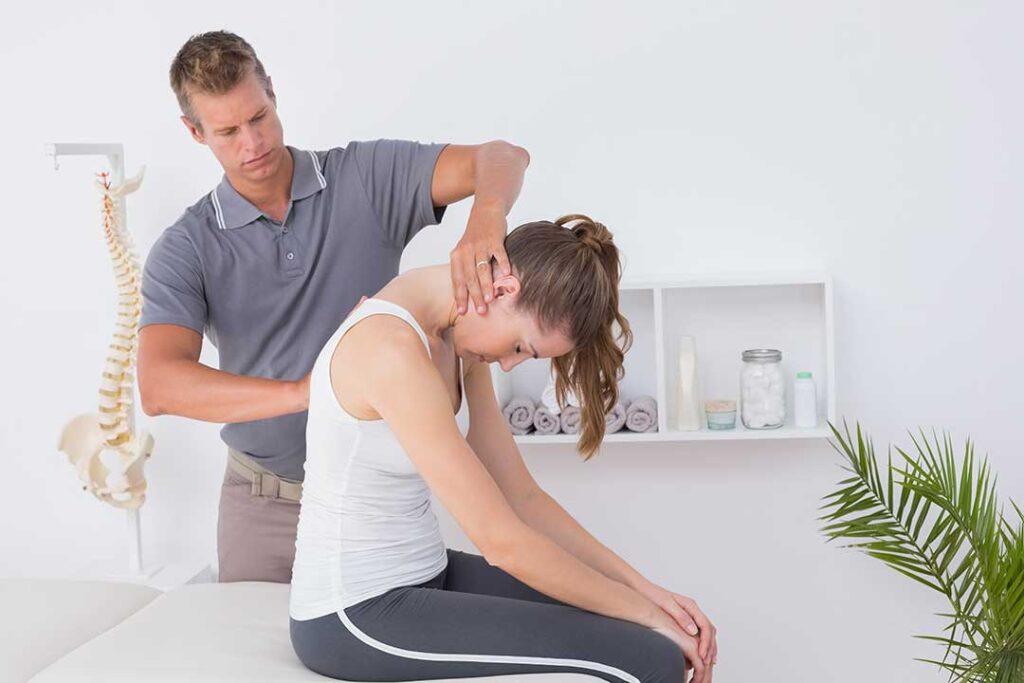
Waking with a stiff back, tight hips, or sore shoulders is common, especially after a long night in one position. A short sequence of gentle movement can help reduce stiffness and prepare the body for walking, commuting, household tasks, or a workday spent sitting.
Stretching should feel mild and controlled—not sharp, forceful, or painful. The following routine is designed for generally healthy adults with ordinary morning stiffness. It is not a substitute for medical evaluation when pain is severe, persistent, or accompanied by concerning symptoms.
Why does the body feel stiff in the morning?
Morning stiffness often reflects several ordinary factors rather than a single problem. Muscles and joints remain relatively still during sleep, and surrounding tissues may feel less mobile immediately after waking. Sleeping on the stomach, using an unsuitable pillow, or remaining in one position for hours can add to the sensation.
Cold winter mornings in Lynbrook may also make stiffness feel more noticeable. Lower temperatures can encourage people to stay still longer before getting dressed or leaving home. A gradual warm-up is often more comfortable than immediately bending, lifting, or rushing down stairs.
Stiffness that eases within several minutes of gentle movement is usually different from pain that steadily worsens, causes weakness, or limits normal activity.
What should be done before stretching?
Begin with two or three minutes of easy movement. Sit on the edge of the bed, place both feet on the floor, and take a few relaxed breaths. Then try:
- Slowly opening and closing the hands
- Rolling the shoulders backward several times
- Marching gently while seated
- Walking around the room at an easy pace
- Taking a warm shower before the routine if heat usually helps
Avoid bouncing, jerking, or trying to force a joint into a deeper position. Morning tissues may not respond well to aggressive stretching immediately after waking.
Which stretches can ease back and hip stiffness?
Pelvic tilts
Lie on the back with the knees bent and feet flat on the floor. Gently tighten the abdominal muscles and flatten the lower back toward the surface. Then release until the natural curve returns.
Repeat 8 to 10 times, moving slowly. This is a mobility exercise rather than a forceful stretch, and it can help a person notice how the lower back feels before standing.
Single-knee-to-chest stretch
Remain on the back with both knees bent. Bring one knee toward the chest and hold behind the thigh or around the shin, whichever feels more comfortable. Keep the opposite foot supported or extend the leg only if that does not increase discomfort.
Hold for about 15 to 20 seconds, then switch sides. Repeat once or twice. Do not pull hard or lift the head and shoulders from the floor.
Gentle lower-back rotation
With both knees bent and feet supported, allow the knees to move a small distance toward one side while keeping the shoulders relaxed. Return to the center, then move toward the other side.
The movement should remain within a comfortable range. It is not necessary for the knees to reach the floor. Five slow repetitions per side are enough for a morning routine.
Supported child’s-pose variation
Begin on hands and knees, using a firm surface. Slowly move the hips backward toward the heels while reaching the arms forward. Stop before the back, hips, knees, or shoulders feel strained.
Hold for 10 to 20 seconds, then return to the starting position. People with knee problems may prefer placing a cushion under the knees or choosing another stretch.
Which stretches help tight hips and legs?
Hip-flexor stretch
Stand facing a wall or sturdy surface for balance. Step one foot backward and bend the front knee slightly. Keep the back heel lifted and gently shift the pelvis forward without arching the lower back.
A stretch should be felt near the front of the hip on the rear leg. Hold for 15 to 20 seconds on each side. This can be useful after sleeping with the hips flexed or after long periods of sitting.
Calf stretch
Place both hands on a wall. Step one foot backward, keeping that heel down and the toes pointed forward. Bend the front knee slightly while keeping the back leg comfortably straight.
Hold for 20 seconds and change sides. Tight calves can make the first steps of the morning feel awkward, particularly when moving between indoor surfaces or walking outdoors in colder weather.
Seated hamstring stretch
Sit near the edge of a stable chair. Extend one leg with the heel resting on the floor and the toes pointing upward. Keeping the back relatively straight, lean forward slightly from the hips.
Stop as soon as a mild stretch is felt behind the thigh. Avoid rounding the back and reaching aggressively toward the toes. Hold for 15 to 20 seconds per side.
Can the neck and shoulders be stretched in the morning?
Yes, but neck movements should be especially gentle. Sit or stand tall and slowly turn the head to look over one shoulder, then the other. Next, bring one ear slightly toward the corresponding shoulder without lifting the shoulder.
Hold each position for 5 to 10 seconds. Shoulder rolls and gentle arm movements are also useful after sleeping with one arm overhead or spending the previous day at a computer.
Do not force the neck backward, make rapid circles, or continue if the movement causes dizziness, tingling, or pain traveling into the arm.
How long should a morning routine last?
A useful routine can take 5 to 10 minutes. There is no need to complete every stretch every day. A simple sequence might include:
- Two minutes of walking or seated movement
- Pelvic tilts
- Single-knee-to-chest stretches
- A gentle hip-flexor stretch
- Calf stretches
- Shoulder and neck mobility
Consistency matters more than intensity. Stretching once and then remaining inactive for the rest of the day may be less helpful than combining brief movement breaks with regular walking and normal daily activity.
When should stretching stop?
Stop if pain becomes sharp, spreads farther into the buttock or leg, produces numbness or tingling, or becomes progressively worse during the exercise. A mild pulling sensation is generally acceptable; pain that feels electric, burning, or unstable is not a normal stretching target.
Seek urgent medical care for back pain accompanied by new loss of bladder or bowel control, numbness around the groin, weakness or numbness in both legs, fever, a serious fall or crash, or rapidly worsening symptoms. Evaluation is also appropriate when pain continues for several weeks, repeatedly disrupts sleep, or makes ordinary activities difficult.
A pain-free morning does not require extreme flexibility. Gentle movement, a gradual start, and attention to warning signs are usually safer and more useful than forcing the body into deep positions before it is ready.
