
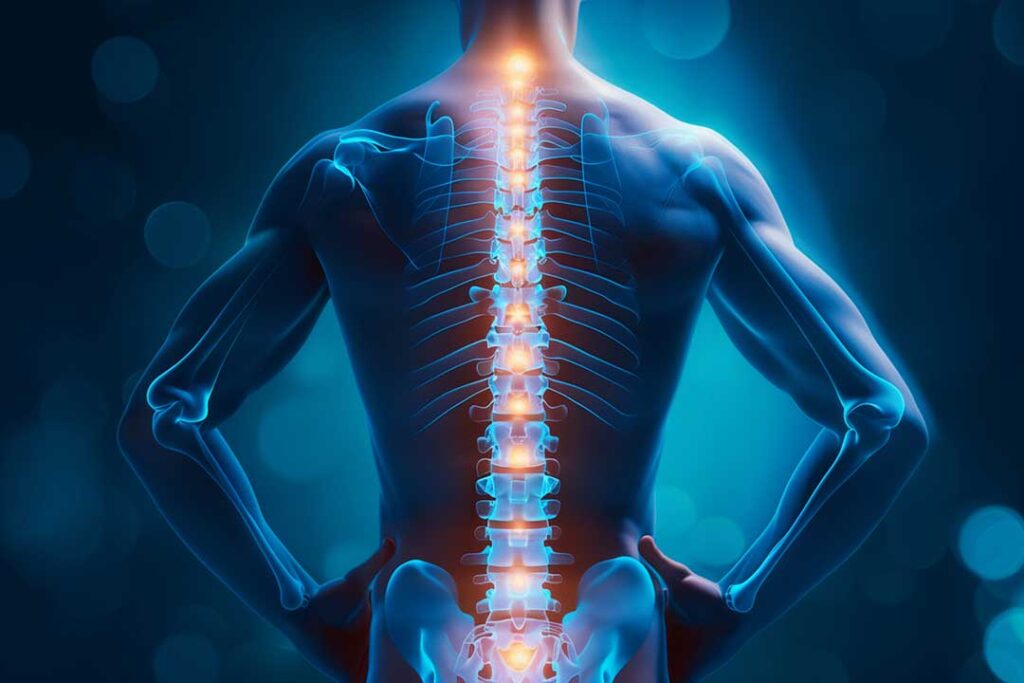
What is a sports concussion?
A concussion is a type of mild traumatic brain injury caused by a bump, blow, or jolt that makes the brain move rapidly inside the skull. It can happen even when an athlete does not lose consciousness and even when there is no direct impact to the head.
Symptoms may include headache, dizziness, blurred vision, nausea, sensitivity to light or noise, slowed thinking, balance problems, unusual fatigue, irritability, or difficulty remembering what happened. Symptoms can appear immediately or develop hours later.
Preventing every concussion is not possible, but athletes, parents, coaches, and sports programs can reduce risk by limiting unnecessary head impacts and responding quickly when an injury may have occurred.
How can athletes lower the risk during practices and games?
The most effective prevention strategies focus on behavior, instruction, and the way practices are organized. Athletes should be taught to protect the head without becoming afraid to participate.
Important habits include:
- Follow the rules, especially rules prohibiting hits to the head, illegal checks, spearing, and dangerous contact from behind.
- Never use the head as the primary point of contact when tackling, blocking, or making a play.
- Practice sport-specific techniques repeatedly before using them in live competition.
- Speak up when a drill, playing surface, or piece of equipment feels unsafe.
- Avoid reckless play intended to intimidate or impress teammates.
- Support teammates who report symptoms rather than treating them as weak or disloyal.
Coaches can also reduce exposure by limiting full-contact practice, separating high-impact drills, teaching age-appropriate techniques, and stopping play when athletes ignore safety rules. A well-run practice should not treat repeated head contact as a normal part of conditioning.
This is especially relevant for families in Lynbrook, where children may move between school teams, recreational leagues, indoor facilities, and seasonal outdoor fields. Safety expectations should remain consistent across every setting.
Do helmets prevent concussions?
Helmets reduce the risk of skull fractures and some serious head injuries, but no helmet can prevent all concussions. A helmet is protective equipment, not permission to make harder contact.
The correct helmet should be designed for the specific activity, fit securely, and be in good condition. Parents should check that it does not slide when the athlete moves, that straps are adjusted properly, and that it has not been damaged in a previous crash or impact. Helmets should be replaced according to the manufacturer’s instructions or after significant damage.
A bicycle helmet, football helmet, hockey helmet, and lacrosse helmet are not interchangeable. Using the wrong type of helmet can create a false sense of protection. Other equipment, including mouthguards, face protection, padding, and properly fitted footwear, may help reduce certain injuries but should not be advertised or understood as concussion-proof protection.
What role do playing conditions have?
The playing environment can contribute to falls and collisions. Before practice or competition, adults should check for holes, uneven areas, loose objects, wet surfaces, poor lighting, exposed edges, and overcrowded sidelines.
In the local area, weather can change field conditions quickly. Rain, snow, ice, humidity, and changing temperatures may affect traction and visibility. Indoor courts and rinks can also become slippery from condensation, tracked-in moisture, or inadequate cleaning.
A safer program adjusts drills or postpones activity when conditions make falls more likely. Athletes should wear footwear suited to the surface and should not continue playing if poor visibility or slippery conditions prevent controlled movement.
How can parents and coaches recognize a possible concussion?
A player who experiences a significant hit, fall, or collision should be observed for symptoms, even if the athlete says everything is fine. Young athletes may not recognize symptoms or may fear being removed from play.
Possible warning signs include:
- Appearing dazed, confused, or slow to answer
- Repeating questions or forgetting instructions
- Losing balance or moving awkwardly
- Complaining of headache, dizziness, nausea, or vision changes
- Becoming unusually emotional, irritable, quiet, or tired
- Having difficulty concentrating
- Saying that lights or sounds feel unusually uncomfortable
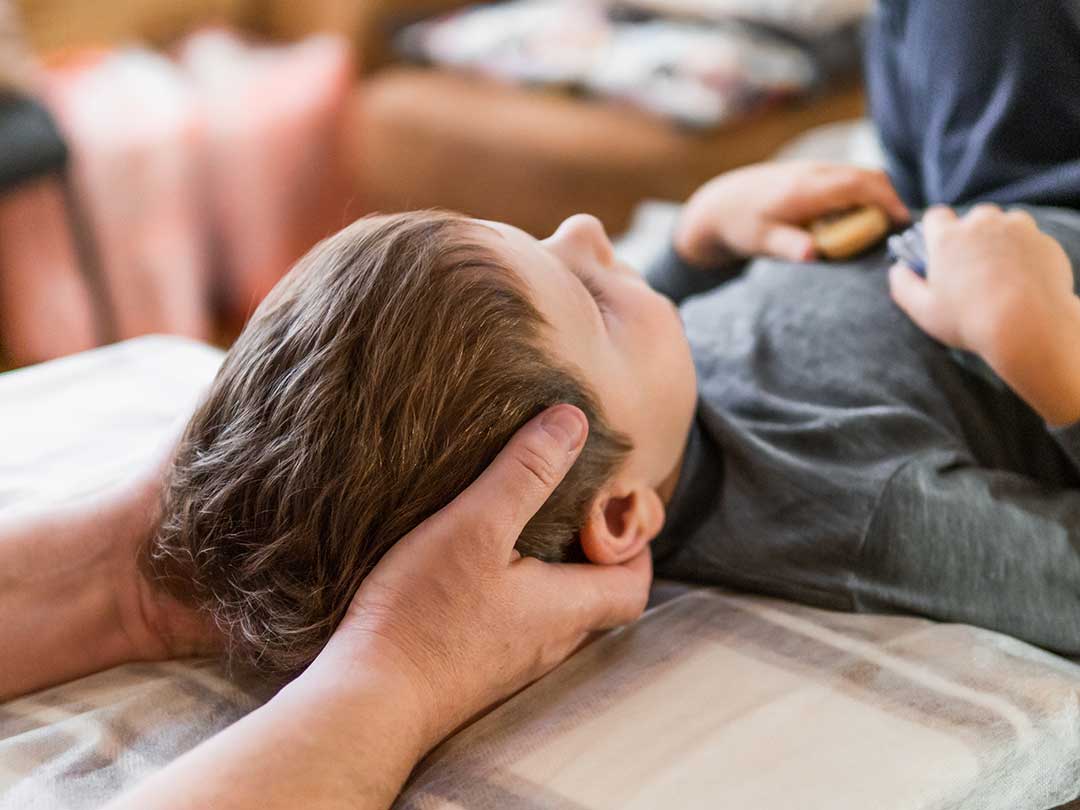
A suspected concussion should be treated as a reason to stop participation immediately. The athlete should not return to the same practice or game that day unless cleared under the appropriate medical process. “Walking it off” is not a safe concussion plan.
Emergency evaluation is needed after a head injury if there is worsening or severe headache, repeated vomiting, seizure, increasing confusion, unusual drowsiness, trouble waking, slurred speech, weakness, numbness, loss of coordination, unequal pupils, or double vision.
What should happen after a suspected concussion?
The first priorities are removing the athlete from play, monitoring symptoms, and arranging appropriate medical evaluation. Parents should inform the coach, school, athletic trainer, and other caregivers so the athlete is not accidentally sent back into activity.
Returning to sports should be gradual and supervised. An athlete generally progresses from light activity to more demanding exercise, sport-specific drills, noncontact practice, full practice, and finally competition. The next step should occur only if symptoms do not worsen. If symptoms return, activity should be reduced and medical guidance should be sought.
Return to school may also need to be gradual. Temporary changes such as reduced screen time, extra breaks, lighter homework, or limited testing can help while the brain recovers. Complete isolation in a dark room for an extended period is not routinely necessary; short rest followed by carefully increased daily activity is commonly recommended.
New York school programs have concussion-management requirements, including recurring training for coaches, physical education teachers, school nurses, and certified athletic trainers. Families should learn how a child’s school or league handles removal from play, communication, medical clearance, and return-to-play steps.
Can chiropractic care replace concussion evaluation?
No. A chiropractor, physical therapist, athletic trainer, physician, or other qualified clinician may have a role in evaluating movement, neck discomfort, balance, or other problems after a concussion, but concussion assessment and return-to-play decisions require appropriate medical oversight.
Neck pain after a collision does not prove that the injury is only a neck strain. Head and neck injuries can occur together. Anyone with possible concussion symptoms should avoid self-treatment that delays evaluation, especially if symptoms are worsening or unusual.
The safest sports culture is one in which reporting a possible concussion is expected, unsafe contact is corrected early, and recovery is valued more highly than returning for the next game.
