
Sciatica can cause sharp, burning, or electric-like pain that travels from the lower back or buttock into one leg. Natural self-care may reduce irritation and improve movement, but persistent or worsening symptoms should not be managed solely at home.
What does sciatica feel like?
Sciatica is a symptom caused by irritation or compression of the sciatic nerve or one of the nerve roots that form it. Typical symptoms affect one side and may include:
- Pain from the lower back or buttock into the thigh, calf, or foot
- Tingling, pins-and-needles, or burning
- Numbness in part of the leg
- Weakness when walking, climbing stairs, lifting the foot, or standing
- Pain that becomes worse with prolonged sitting, coughing, sneezing, or bending
Pain limited only to the lower back is not necessarily sciatica. Similar symptoms can also come from a muscle strain, hip problem, arthritis, or another medical condition, so the pattern and duration matter.
Can gentle movement help sciatica?
Yes. Short, frequent periods of gentle movement are usually more helpful than staying in bed. Complete bed rest can increase stiffness and reduce muscle support around the spine.
During a painful flare, try changing position every 20 to 30 minutes. A slow walk around the home, light household movement, or a brief walk outdoors may be appropriate if it does not increase leg pain or weakness.
Useful principles include:
- Begin with a few minutes of easy walking and increase gradually.
- Avoid movements that sharply increase pain traveling farther down the leg.
- Stop an exercise that causes new numbness, weakness, or persistent worsening.
- Use comfortable, controlled movements rather than forceful stretching.
- Return to normal activity gradually instead of testing the back with heavy lifting.
For residents in Lynbrook, winter conditions can add practical challenges. Snow and ice removal, carrying wet clothing, and prolonged sitting in a car during cold weather may aggravate symptoms. Avoid twisting while lifting a shovel or bag, and divide heavier tasks into smaller loads.
Which stretches are commonly used?
No single stretch works for everyone with sciatica. Some people feel better with gentle hamstring, hip, or lower-back movements, while others become more irritated when bending forward or stretching aggressively.
A cautious routine might include:
1. Lie on the back with knees bent and feet supported.
2. Slowly rock both knees a small distance from side to side.
3. Take several relaxed breaths without forcing the range.
4. If comfortable, gently straighten one leg until a mild stretch is felt, then lower it.
5. Repeat only a few times and stop if symptoms travel farther down the leg.
A stretch should feel mild and controlled, not sharp, burning, or electric. The goal is to improve comfortable movement, not to “push through” nerve pain.
Should heat or ice be used?
Either may help, depending on the person and the stage of symptoms. A cold pack can reduce discomfort during the first day or two after a sudden flare, while heat may relax muscle tightness and make movement easier later.
Use a cloth barrier between the skin and the pack. Apply heat or cold for about 15 to 20 minutes, then remove it. Do not sleep with a heating pad or place extreme temperatures on areas with reduced sensation, since numb skin is easier to injure.
Warm showers may also help before gentle movement. Cold outdoor temperatures can make muscles feel tighter, but cold itself does not prove that a nerve is being damaged.
How should sitting and sleeping be adjusted?
Prolonged sitting can increase pressure in the lower back and irritate symptoms. A supportive chair, frequent position changes, and keeping both feet supported may help. Avoid sitting on a wallet, phone, or other hard object in a back pocket.

For sleep, try lying on the side with a pillow between the knees or on the back with a pillow under the knees. The best position is the one that reduces leg symptoms and allows uninterrupted rest.
A rolled towel or small cushion may provide temporary support, but excessive bracing or rigid support can encourage stiffness if used continuously.
Can massage, chiropractic care, or supplements help?
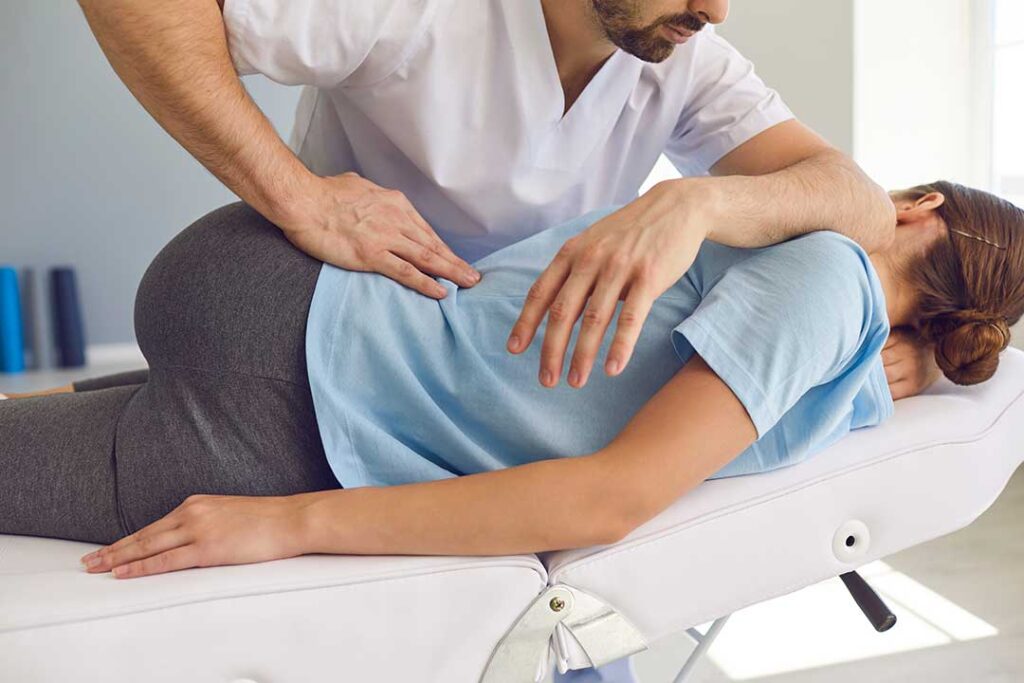
Gentle massage may reduce muscle tension for some people, but deep pressure directly over a painful nerve can make symptoms worse. Manual therapy, including chiropractic techniques, should be matched to the suspected cause, strength, sensation, and range of motion rather than applied as a standard routine.
Supplements and herbal products are not proven cures for sciatica. Products marketed for inflammation or nerve health can interact with medications or be unsafe with kidney disease, ulcers, pregnancy, blood-thinning medicine, or other health conditions. Discuss any supplement with a qualified medical professional before using it.
Over-the-counter pain relievers may help some adults, but ibuprofen and similar anti-inflammatory medicines are not appropriate for everyone. Acetaminophen also has dosing limits and may be unsafe with certain liver conditions or heavy alcohol use. Follow the label and ask a pharmacist or clinician if there is uncertainty.
When should sciatica be evaluated?
Arrange medical evaluation if pain is severe, lasts more than a few weeks, repeatedly returns, interferes with sleep or walking, or is accompanied by increasing numbness or weakness. Evaluation is also sensible after a fall, significant lifting injury, fever, unexplained weight loss, a history of cancer, or pain that is worse at night.
Seek emergency care immediately for:
- New loss of bladder or bowel control
- Difficulty starting urination or inability to urinate
- Numbness around the groin, genitals, or buttocks
- Severe or worsening weakness in one or both legs
- Sciatica affecting both legs
- Back pain with fever and a seriously ill feeling
These signs can indicate significant nerve compression or another urgent condition. Natural remedies are appropriate only when symptoms are mild, stable, and improving.
How long does sciatica usually last?
Many uncomplicated episodes improve over several weeks with gradual activity, sleep support, and symptom control. Recovery may take longer when there is ongoing nerve compression, repeated heavy lifting, poor sleep, or significant weakness.
Keeping a simple record of pain location, numbness, walking tolerance, and activities that worsen symptoms can help identify whether the condition is improving. A reduction in pain that moves out of the calf or foot and closer to the back is generally more encouraging than pain spreading farther down the leg.
