
Mobility is the ability to move through daily life with comfort, control, strength, and confidence. It includes more than flexibility: walking steadily, turning the head, reaching overhead, rising from a chair, climbing stairs, and maintaining balance all depend on mobility.
For residents of Lynbrook, NY, mobility can be affected by long work commutes, extended sitting, household chores, aging-related changes, and seasonal conditions such as cold weather or icy walkways. Natural strategies can often support better movement, especially when practiced consistently and adjusted to a person’s abilities.
What natural approaches can improve mobility?
The most useful approach combines regular movement, strength training, flexibility work, balance practice, and attention to pain signals. No single stretch or technique improves every type of mobility.
A practical routine may include:
- Walking at a comfortable pace
- Gentle joint movements in the morning
- Strengthening the legs, hips, abdomen, back, and upper body
- Stretching warm muscles without forcing a joint
- Balance exercises performed near a stable surface
- Short movement breaks during sitting
- Adequate sleep, hydration, and nutritious meals
The goal is not to push through pain. The goal is to gradually make ordinary movements easier and more reliable.
How does walking help joint and spinal movement?
Walking is a simple form of low-impact activity that supports circulation, joint motion, leg strength, and endurance. It also gives the body repeated practice with posture, coordination, and weight shifting.
A person who is currently inactive can begin with five- to ten-minute walks and add a few minutes as tolerated. Walking indoors may be more practical during icy conditions, while outdoor walking can be comfortable in milder weather when footwear provides good traction.
Pay attention to stride length and posture rather than speed. A relaxed pace with an upright but not rigid posture is usually more useful than trying to walk quickly. If discomfort increases during the walk or remains significantly worse afterward, reduce the duration and reassess the activity.
Which stretches are useful for stiffness?
Stretching can help maintain range of motion, but it works best when the muscles are warm. Gentle movement for several minutes before stretching may be more comfortable than stretching immediately after getting out of bed.
Common areas that become stiff from sitting or reduced activity include:
- Calves and ankles
- Back of the thighs
- Front of the hips
- Chest and shoulders
- Upper back
- Neck and upper shoulders
Hold a mild stretch without bouncing. Breathing should remain easy, and the sensation should feel like gentle tension rather than sharp pain, numbness, or burning. Flexibility often improves gradually over weeks rather than after one session.
Neck movements deserve particular care. Slow turning and side-to-side motion may be appropriate for mild stiffness, but forceful self-manipulation or repeated neck cracking is not a dependable mobility strategy.
Why is strength important for flexibility and balance?
Weakness can make a person feel stiff even when the joints themselves have a reasonable range of motion. Stronger muscles help support the spine and joints, improve movement control, and make daily tasks less tiring.
Useful functional exercises may include:
- Sit-to-stand movements from a sturdy chair
- Calf raises while holding a counter
- Step-ups on a secure step
- Wall push-ups
- Hip-hinge practice for lifting
- Light resistance-band exercises
Begin with a level that allows controlled movement. The knees should generally track in line with the feet, and the back should not be forced into a rounded or twisted position during lifting. Gradually increasing repetitions or resistance is usually more sustainable than starting with difficult exercises.
How can balance practice reduce movement worries?
Balance is a mobility skill, not merely an issue for older adults. It helps with turning, stepping over uneven surfaces, walking on wet pavement, and recovering from a small misstep.
Balance exercises should be performed near a counter, wall, or other stable support. Examples include standing with the feet close together, shifting weight from side to side, stepping in different directions, or briefly lifting one foot while maintaining a safe position.
Residents managing winter conditions should also consider the environment around movement. Clear pathways, adequate indoor lighting, supportive footwear, and caution on wet or icy surfaces can reduce avoidable setbacks. Balance work should stop if dizziness, unusual weakness, or loss of coordination occurs.
Can chiropractic care be part of a mobility plan?
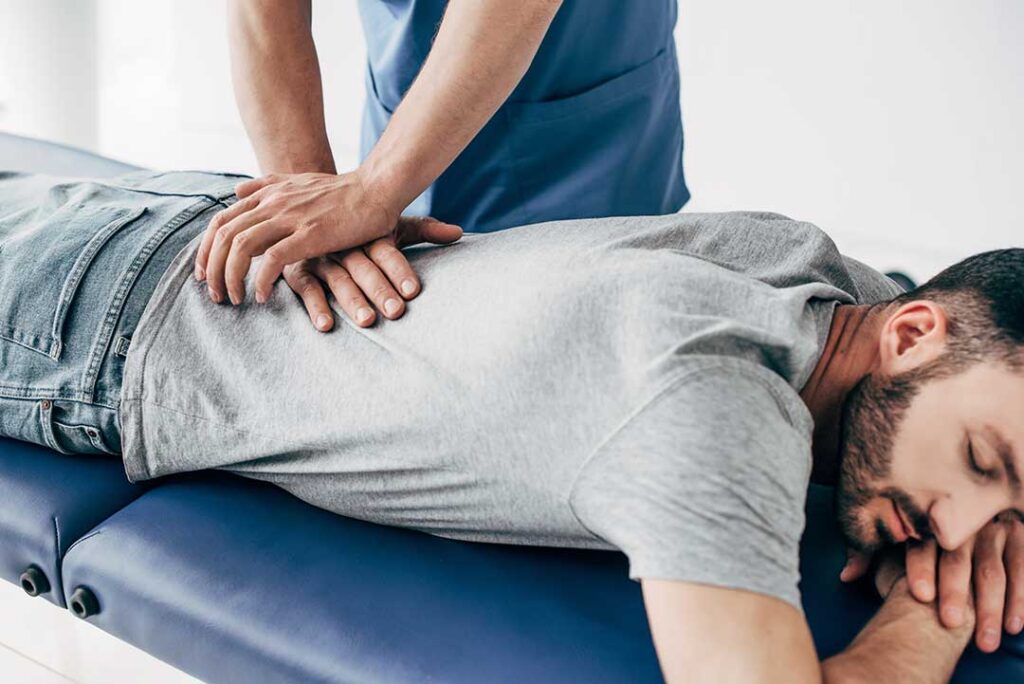
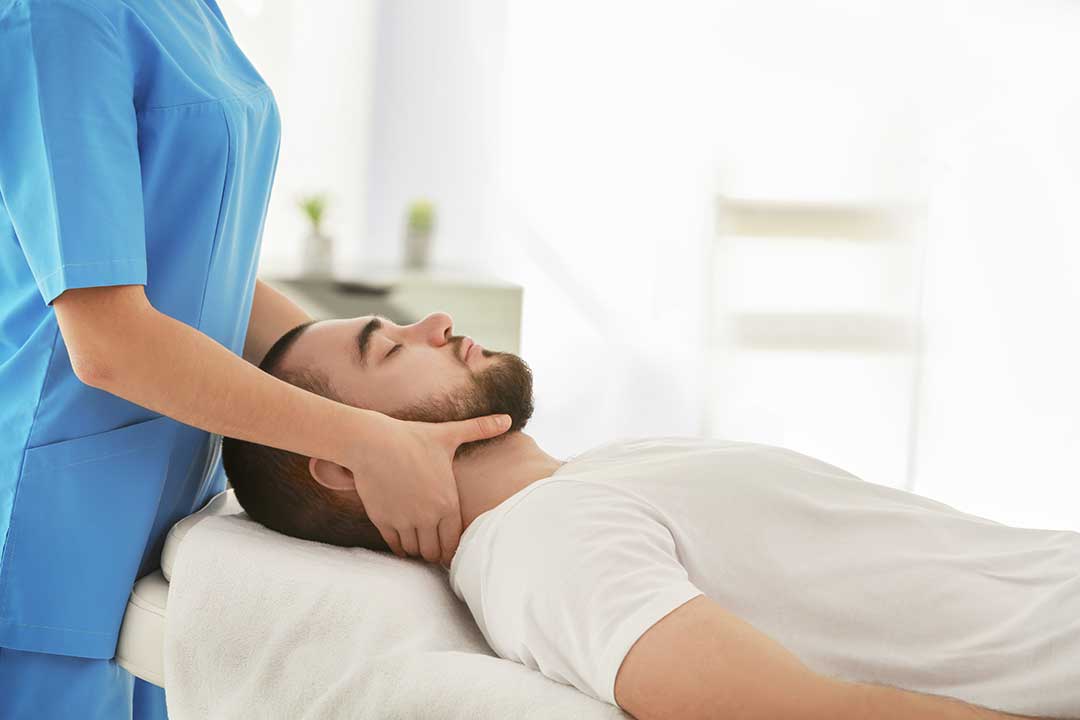
Chiropractic care may be used as one component of a broader plan for certain musculoskeletal concerns, particularly when restricted movement is associated with back or joint discomfort. Spinal manipulation and other hands-on approaches may provide short-term relief for some people with low-back pain, but they do not replace exercise, strength development, or evaluation of an underlying medical problem.
A mobility-focused approach should emphasize function: walking more comfortably, turning more easily, lifting safely, or getting up from a chair with less difficulty. Any hands-on technique should be matched to the person’s health history, symptoms, medications, bone health, and tolerance.
People with osteoporosis, recent injury, neurological symptoms, blood-clotting concerns, or significant medical conditions should receive individualized medical guidance before using forceful manual techniques.
What daily habits help prevent stiffness?
Long periods in one position can make mobility worse even when a person exercises regularly. A brief movement break every 30 to 60 minutes may help reduce stiffness from desk work, driving, television viewing, or household tasks.
Helpful habits include:
- Change sitting positions regularly.
- Keep frequently used items at comfortable heights.
- Use both hands when carrying uneven loads.
- Bend through the hips and knees rather than twisting while lifting.
- Alternate demanding chores with lighter activities.
- Avoid remaining in bed or a chair for long periods after mild soreness begins.
- Use warmth for general muscle stiffness, but avoid heat over an acute injury with swelling.
Sleep also affects movement. Poor sleep can increase sensitivity to discomfort and make exercise feel more difficult. Consistent rest supports recovery and adherence to an activity routine.
When does reduced mobility need medical evaluation?
New or worsening mobility loss should not automatically be attributed to aging or ordinary stiffness. Medical evaluation is especially important when symptoms include sudden weakness, loss of coordination, numbness that is spreading, loss of bladder or bowel control, unexplained fever, severe swelling, or pain following a fall.
Prompt attention is also appropriate for chest pain, shortness of breath, fainting, or calf swelling with unexplained pain. These symptoms may not be related to a routine muscle or joint problem.
For persistent pain, repeated falls, or difficulty walking that does not improve with gentle activity, an individualized assessment can help identify whether the main issue involves joint motion, muscle weakness, balance, nerve irritation, injury, or another health condition. Mobility improves most safely when the underlying cause and the person’s current abilities are both considered.
