
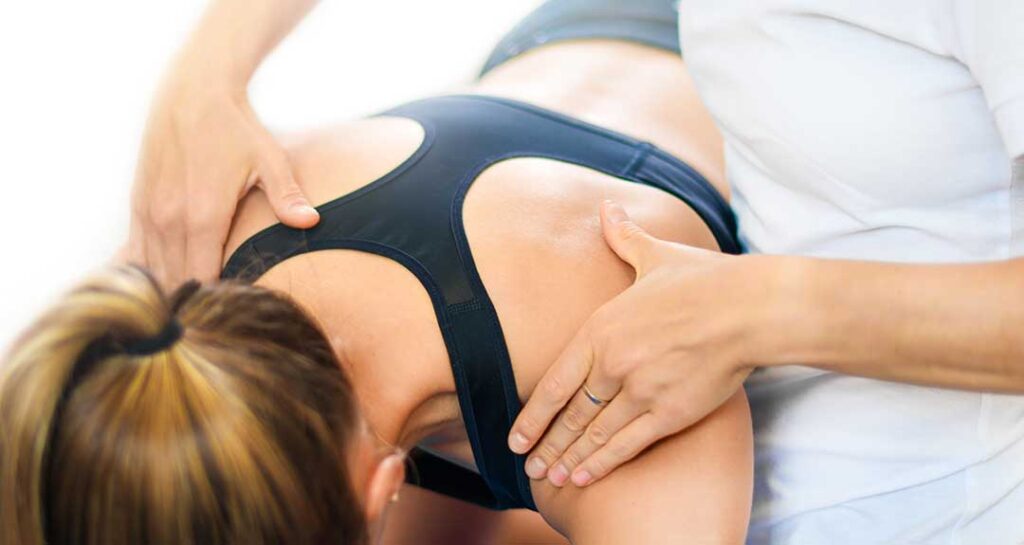
Why does frequent movement matter for the back and joints?
Regular, low-intensity movement helps the body tolerate daily activities more comfortably than long periods of stillness followed by sudden exertion. Changing positions supports joint mobility, keeps muscles active, and may reduce the stiffness that develops during sitting, standing, driving, household tasks, or screen use.
The body is designed to move in many directions. Remaining in one posture for too long can place steady strain on certain muscles and joints, even when the posture does not feel uncomfortable at first. A useful goal for local residents is not perfect posture every minute, but more variety throughout the day.
Movement does not need to be strenuous to be helpful. Walking through the home, stretching briefly, taking the stairs when appropriate, or standing during a phone call can all interrupt extended inactivity.
How often should a person change position?
A practical approach is to change position at least every 30 to 60 minutes. The exact timing depends on the activity, comfort level, health history, and available space.
During desk work, studying, or computer use, try alternating among:
- Sitting with both feet supported
- Standing for a short period
- Walking to refill water or handle a simple task
- Performing a few gentle shoulder, ankle, or hip movements
A short movement break does not need to become a full exercise session. Even one or two minutes can provide a useful change from a fixed posture. A timer may help people who become absorbed in work, schoolwork, gaming, or household planning.
For people who commute or spend time in a vehicle, moving the ankles, adjusting the seat when safe, and walking briefly after reaching the destination can help reduce the effects of prolonged sitting. Movement should never distract from driving.
What is a healthier way to sit?
Healthy sitting involves support, variety, and regular breaks rather than holding one rigid position. The feet should rest comfortably on the floor or on a stable support, while the hips and knees remain in a relaxed position. The back can rest against the chair instead of being held stiffly upright.
A few adjustments often make sitting more comfortable:
- Keep frequently used items close enough to avoid repeated twisting.
- Position a screen near eye level so the head does not remain tilted downward.
- Let the shoulders relax instead of lifting them toward the ears.
- Keep elbows reasonably close to the body while typing or using a mouse.
- Shift position periodically rather than trying to maintain a “perfect” posture.
Crossing the legs is not automatically harmful, but staying in the same crossed position for a long time may contribute to uneven pressure or stiffness. Alternating positions is generally more useful than avoiding one posture completely.
How can standing and walking be made easier during the day?
Build movement into tasks that already occur. Walking while speaking on the phone, taking a brief indoor lap after a meal, or carrying smaller loads in separate trips can increase activity without requiring a major schedule change.
In homes with stairs, use handrails when needed and avoid carrying loads that block the view of the steps. During colder or wetter weather in Lynbrook, NY, outdoor walking surfaces may be slippery, so footwear with adequate traction and slower, deliberate steps are sensible. Wet entryways, stairs, and uneven sidewalks deserve extra attention.
A comfortable walking pace is one at which conversation remains possible. Start with manageable periods and increase gradually. People who have been inactive, are recovering from an injury, or have a chronic condition may need a more individualized pace.
What movement habits help protect the neck and shoulders?
Neck and shoulder discomfort often increases when the head remains forward and the arms stay elevated or extended for long periods. This can occur during laptop use, phone viewing, sewing, reading, food preparation, or other close-up tasks.
Every so often, allow the arms to rest, look across the room, and gently move the neck within a comfortable range. Shoulder rolls, relaxed arm swings, and reaching overhead may be appropriate if they do not cause pain, dizziness, numbness, or other concerning symptoms.
Holding a phone between the shoulder and ear can also place unnecessary stress on the neck. Using the hands or a hands-free option allows the head and shoulders to remain more neutral.
Children and teenagers may benefit from similar habits during homework and recreational screen use. Furniture should allow the feet to reach a stable surface, and backpacks should be adjusted so they sit securely rather than pulling heavily on one shoulder.
How should lifting, reaching, and housework be handled?
Safe movement during household tasks begins with planning. Before lifting, check the path, estimate the object’s weight, and bring the load close to the body. Bend through the hips and knees as needed, keep the trunk reasonably steady, and turn by moving the feet rather than twisting sharply while carrying.
For heavier or awkward objects:
- Divide the load into smaller portions when possible.
- Use both hands and maintain a clear view.
- Avoid lifting from a far-reaching position.
- Ask for help when the object is too heavy, unstable, or difficult to grip.
- Place commonly used items between about waist and shoulder height when practical.
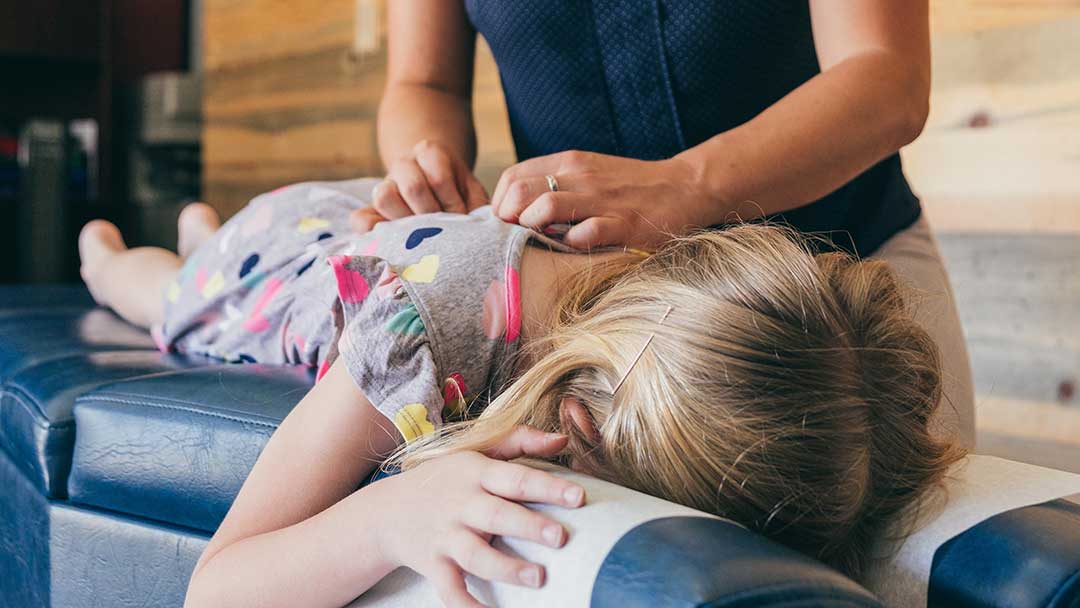
Housework often involves repeated bending, reaching, and rotation. Switching tasks, changing sides, and taking brief pauses may reduce fatigue. A task that feels manageable at the beginning can become more difficult when muscles are tired, so rushing near the end is a common source of strain.
Does stretching replace regular movement?
Stretching can improve comfort and mobility, but it does not replace changing positions, walking, or strengthening. Gentle movement performed consistently is usually more useful than occasional intense stretching.
A simple mobility routine might include:
- Slow ankle movements
- Gentle marching in place
- Comfortable shoulder circles
- Hip movement while holding a stable surface
- Easy trunk rotation without forcing the range
Stretching should feel mild to moderate, not sharp or aggressive. Avoid bouncing or pushing through pain. Some people feel better with movement before activity, while others prefer gentle stretching afterward.
What symptoms should not be ignored?
Mild stiffness after inactivity often improves with gradual movement. Symptoms that are severe, rapidly worsening, or associated with nerve or systemic changes deserve prompt medical attention.
Seek urgent evaluation for symptoms such as:
- New loss of bladder or bowel control
- Severe weakness or inability to move a limb normally
- Numbness in the groin or inner-thigh region
- Chest pain, difficulty breathing, fainting, or unexplained sweating
- A serious fall, collision, or other traumatic injury
Persistent pain, recurring numbness or tingling, unexplained swelling, fever, or pain that repeatedly disrupts sleep should also be assessed by an appropriate healthcare professional. Movement should be modified rather than forced when symptoms are increasing.
How can a full day be organized around healthier movement?
Think in terms of movement “threads” woven through the day rather than a single exercise period. A resident might begin with gentle mobility after getting out of bed, alternate sitting and standing during work, walk briefly after meals, use careful lifting habits during household tasks, and finish with comfortable movement instead of remaining seated for the entire evening.
The most sustainable routine is one that fits normal responsibilities. Tracking how the body responds can reveal patterns: stiffness after long screen sessions, discomfort after carrying groceries, or fatigue after standing in one position. Those observations can guide practical changes in timing, posture, workload, and rest.
Movement should support daily life, not become another source of pressure. Frequent position changes, gradual activity, sensible lifting, and attention to warning signs provide a sound foundation for healthier movement throughout the day.
