
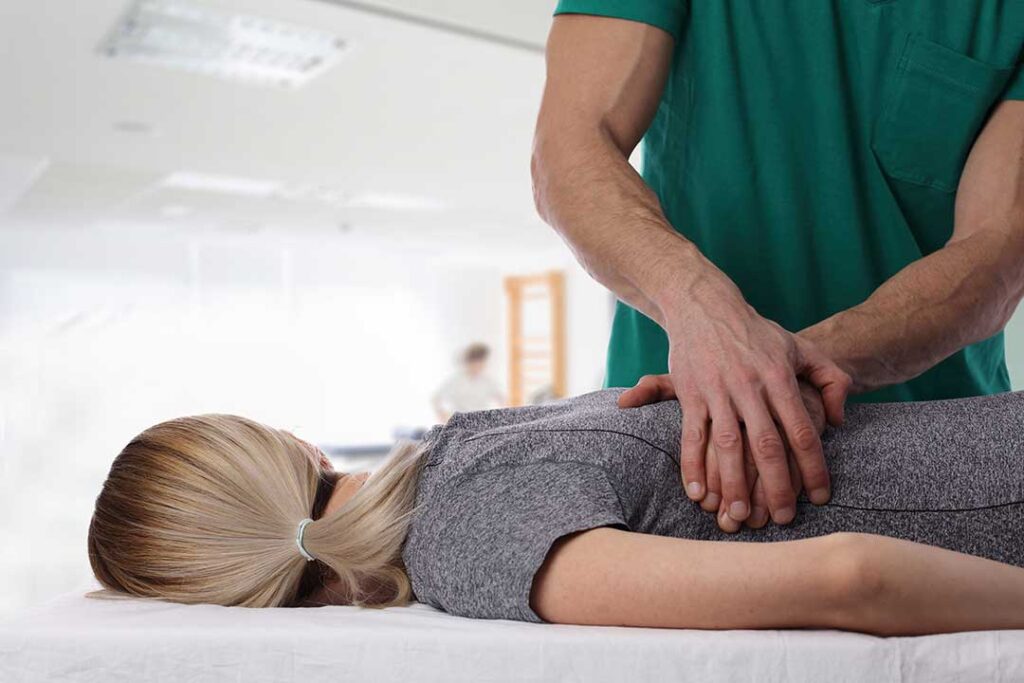
Chiropractic care may help some older adults manage joint stiffness, back discomfort, neck pain, and movement limitations. Its most useful role is usually supportive: improving comfort and mobility while fitting into a broader plan that may include exercise, medical care, physical therapy, medication review, and fall-prevention measures.
Chiropractic treatment is not appropriate for every senior or every condition. Age-related bone loss, arthritis, balance problems, blood-thinning medication, recent injuries, and other health concerns should be considered before any hands-on treatment begins.
What can chiropractic care help seniors with?
The clearest potential benefit is improved comfort and movement related to common muscle and joint problems. Older adults may seek care for lower-back pain, neck stiffness, shoulder discomfort, hip pain, or reduced mobility associated with osteoarthritis.
Treatment may include gentle joint movement, soft-tissue techniques, stretching guidance, posture education, and exercises. Some approaches use manual spinal manipulation, but the technique should be adjusted to the individual rather than applied as a routine procedure.
Possible goals include:
- Making it easier to walk, stand, turn, or reach
- Reducing stiffness after sitting or sleeping
- Supporting comfortable participation in exercise
- Improving awareness of posture and movement habits
- Helping a person remain active in daily routines
Results vary. Chiropractic care may reduce symptoms for some people, but it does not reverse osteoporosis, repair a fracture, cure inflammatory disease, or replace treatment for serious neurological or medical conditions.
Can it improve balance or prevent falls?
Chiropractic care alone should not be considered a proven fall-prevention program. Balance depends on many factors, including leg strength, vision, footwear, medication effects, inner-ear function, blood pressure, walking habits, and the safety of the home.
A senior who feels unsteady may benefit from a broader assessment rather than simply receiving spinal treatment. Strength and balance activities are central to maintaining independence. Depending on ability, these may include supervised leg exercises, sit-to-stand practice, walking, tai chi, or other controlled activities.
In a typical Lynbrook household, fall risks may include stairs, narrow walkways, winter moisture near entrances, uneven outdoor surfaces, dim hallways, or loose rugs. Improving lighting, keeping pathways clear, using secure handrails, and wearing stable footwear can be as important as addressing joint stiffness.
A fall, repeated stumbling, or a new fear of walking should be discussed with a medical clinician. Those symptoms can sometimes signal a medication side effect, vision problem, blood-pressure issue, neurological condition, or other health concern.
Are chiropractic adjustments safe for older adults?
Many older adults tolerate appropriately selected conservative care, but safety depends on the person’s health status and the techniques used. Seniors may have more fragile bones, reduced joint flexibility, spinal narrowing, or medical conditions that change the risk of treatment.
A careful evaluation should consider:
- Osteoporosis or a history of spinal compression fractures
- Recent falls, unexplained pain, or suspected fractures
- Cancer affecting the bone
- Severe or worsening numbness or weakness
- Blood-thinning medication or bleeding disorders
- Recent surgery
- Inflammatory arthritis or infection
- Significant dizziness, fainting, or balance changes
Gentle mobilization, positioning, stretching, and exercise-based care may be more appropriate than forceful techniques for some individuals. Neck treatment deserves particular caution, especially when symptoms include unusual headache, dizziness, vision changes, trouble speaking, facial weakness, or difficulty walking.
Severe pain after a fall, new loss of bladder or bowel control, progressive weakness, chest pain, shortness of breath, or sudden confusion requires prompt medical attention rather than routine musculoskeletal care.
What should a senior expect during an evaluation?
The first visit should involve more than identifying the location of pain. A useful evaluation considers how symptoms affect walking, sleep, dressing, driving, housework, stair use, and other daily activities.
Questions may cover:
- When the problem began and whether it followed a fall
- Existing diagnoses and prior surgeries
- Current medications and supplements
- History of osteoporosis or fractures
- Numbness, weakness, dizziness, or changes in coordination
- Goals such as walking farther or rising from a chair more easily

The examination may include movement, strength, sensation, walking pattern, and balance. Imaging is not always necessary for ordinary back or neck pain, but a clinician may recommend medical evaluation or imaging when the history suggests fracture, infection, cancer, or another serious condition.
Seniors should be comfortable asking what a proposed technique is intended to do, what alternatives exist, and what symptoms should be reported afterward.
Does chiropractic care replace medical treatment or physical therapy?
No. Chiropractic care is best understood as one possible part of coordinated care. A primary-care clinician may need to evaluate unexplained weight loss, fever, persistent night pain, neurological symptoms, osteoporosis, or medication-related dizziness.
Physical therapy may be especially useful when the main goal is rebuilding strength, improving gait, recovering after surgery, or reducing fall risk. Occupational therapy can help identify hazards and practical changes inside the home. A pharmacist or medical clinician may review medicines that contribute to sleepiness, dizziness, or low blood pressure.
These approaches can complement one another. For example, hands-on care might temporarily make movement more comfortable, while a structured exercise program builds the strength and confidence needed for lasting functional improvement.
How can seniors make care more useful?
The most meaningful measure is often function rather than a temporary change in pain. A person might track whether it is easier to walk to the mailbox, get up from a chair, sleep through the night, use stairs, or complete household tasks.
Helpful habits include:
- Begin with manageable activity and increase gradually
- Avoid exercises that cause sharp, radiating, or worsening pain
- Use a stable surface or supervision for balance exercises when needed
- Keep medical and medication information current
- Report new weakness, numbness, severe headache, or unusual dizziness
- Reassess the plan if symptoms are not improving
Older adults should also be cautious of claims that a single adjustment can treat unrelated diseases or guarantee fall prevention. A sound plan uses realistic goals, explains limitations, and changes direction when symptoms suggest another cause.
For local residents, seasonal routines may affect comfort and safety. Cold weather can increase stiffness, while wet entryways, heavy clothing, and reduced outdoor activity may affect balance and mobility. Maintaining indoor movement, safe footwear, adequate lighting, and a practical strength routine can help support independence throughout the year.
Who may need medical clearance first?
Medical guidance is especially appropriate before hands-on treatment after a recent fall, with known osteoporosis, unexplained severe pain, active cancer, recent surgery, significant neurological symptoms, or use of medication that raises bleeding risk.
For many seniors, the safest approach is not choosing between chiropractic care and medical care. It is making sure any treatment fits the person’s diagnoses, medications, mobility level, and goals. A conservative, individualized plan can support comfort while preserving the safeguards that become increasingly important with age.
