

Is cracking a joint usually harmful?
Usually, painless joint cracking is not harmful. Many people hear popping or snapping in their fingers, knees, shoulders, ankles, or spine without having an underlying problem. The sound alone does not prove that a joint is damaged, out of alignment, or developing arthritis.
For residents of Lynbrook, NY, joint noises may be especially noticeable after long periods of sitting, winter inactivity, household projects, commuting, walking, or returning to exercise after a break. What matters most is the pattern surrounding the sound: whether it causes pain, swelling, weakness, stiffness, or a loss of normal movement.
A painless pop that occurs occasionally is generally less concerning than a joint that repeatedly catches, locks, gives way, or becomes painful.
What causes the cracking sound?
Joint noises can come from several different sources, and “cracking” does not describe just one process.
In many movable joints, the sound results from a rapid pressure change inside the joint. This can create or release gas bubbles in the synovial fluid, the liquid that helps the joint move smoothly. This is common when someone stretches or pulls the fingers, back, or other joints.
Other sounds may come from tendons or ligaments moving across nearby bone. A tendon can snap slightly over a bony area as the joint changes position, producing a click or pop. This can happen in the shoulder, hip, knee, ankle, or wrist.
A rougher sound, sometimes described as grinding, crunching, or grating, is called crepitus. It may occur because of changes in cartilage, inflammation, an old injury, altered movement mechanics, or normal age-related changes. Crepitus is not automatically a sign of arthritis, but painful crepitus deserves attention.
Does cracking knuckles cause arthritis?
Current medical understanding does not support the common belief that cracking knuckles directly causes arthritis. People who habitually crack their knuckles are not automatically more likely to develop osteoarthritis simply because of the sound.
However, forceful or excessive manipulation can irritate soft tissues. Pulling a finger too hard, repeatedly twisting a joint, or trying to force a joint to crack when it does not move comfortably may cause soreness or strain. The goal should not be to produce a sound at any cost.
A person who feels compelled to crack a joint repeatedly because it feels unstable, tight, or uncomfortable may be responding to an underlying movement problem rather than causing one. That pattern is more useful to evaluate than the noise itself.
Why do joints crack during chiropractic adjustments?
A controlled spinal or extremity adjustment may produce a popping sound similar to ordinary joint cracking. The sound commonly reflects a pressure change and gas movement within a joint, not bones scraping against each other or being “put back into place.”
The noise also does not prove that an adjustment corrected a specific structural problem. A joint can make a sound without needing treatment, and a useful treatment does not have to produce a sound.
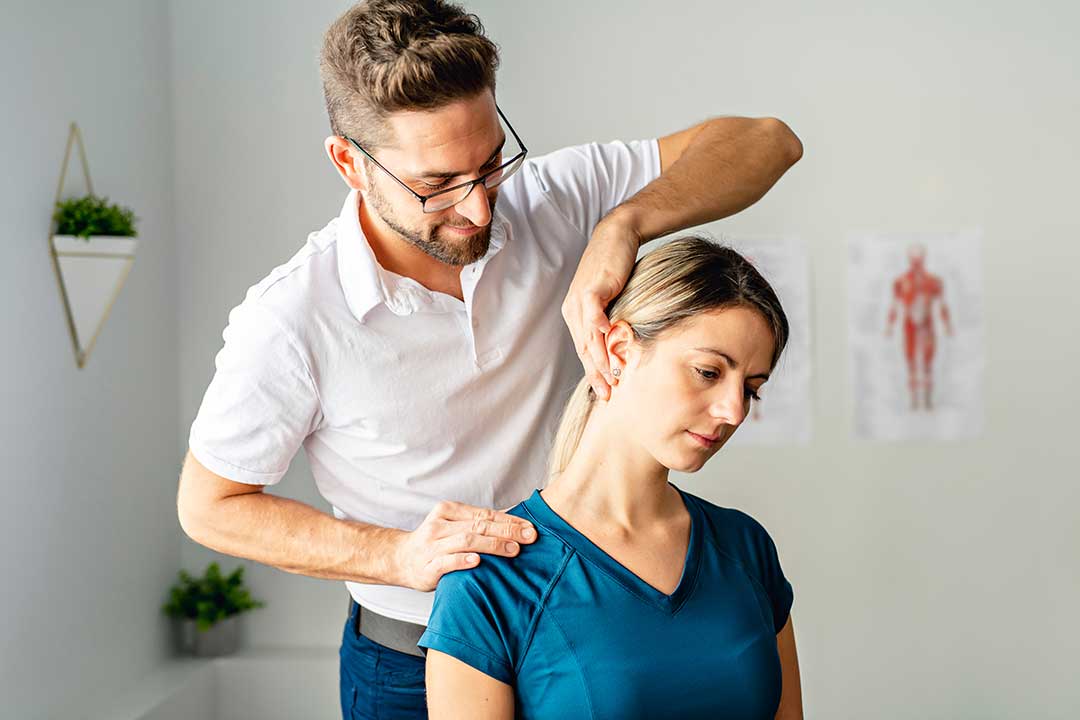
Manual care may involve mobilization, stretching, or controlled manipulation, depending on the person’s symptoms and health history. Mild soreness can occur afterward, but severe pain, unusual symptoms, or worsening function should not be considered a normal goal of care. Neck manipulation in particular requires careful screening because the neck contains sensitive nerves and blood vessels. Forceful self-manipulation of the neck is not a good substitute for a proper assessment.
When is joint cracking a warning sign?
Joint noise becomes more concerning when it occurs with other symptoms. Medical evaluation is appropriate if cracking is accompanied by:
- Persistent or increasing pain
- Noticeable swelling, warmth, or redness
- Loss of strength or range of motion
- A joint that locks, catches, or gives way
- Numbness, tingling, or weakness in an arm or leg
- A recent fall, collision, twist, or other injury
- Fever or feeling generally ill
- A visibly deformed joint
- Inability to bear weight or use the affected limb normally
A sudden pop during an injury is different from an occasional painless crack. If the pop is followed by swelling, instability, bruising, or difficulty walking, it may involve a ligament, tendon, cartilage, or bone injury.
Neck cracking should be taken seriously if it is followed by severe headache, dizziness, fainting, vision changes, trouble speaking, facial weakness, or weakness on one side of the body. These symptoms require urgent medical attention.
Is grinding in the knee always arthritis?
No. Knee grinding or creaking can occur for several reasons, including muscle weakness, changes in tracking, prior injury, tendon movement, or cartilage wear. Some people have noisy knees without pain or functional limitations.
Arthritis becomes more likely when the noise occurs with ongoing pain, stiffness, swelling, reduced mobility, or difficulty with activities such as climbing stairs, standing from a chair, or walking. Symptoms that persist should be assessed rather than diagnosed from sound alone.
The same principle applies to hips, shoulders, and the spine. Noise provides a clue, but it cannot determine the cause by itself. A health assessment may include a discussion of symptoms, movement, past injuries, work demands, exercise habits, and medications. Imaging is not always necessary, especially when there are no warning signs.
What can residents do safely at home?
For painless, occasional cracking, no special treatment is usually needed. Gentle movement and regular activity can help prevent stiffness. Useful habits include:
- Taking brief movement breaks after sitting for long periods
- Gradually increasing exercise rather than making sudden changes
- Strengthening the muscles that support a painful or vulnerable joint
- Using comfortable technique during lifting, gardening, cleaning, or home repairs
- Avoiding forceful twisting or repeated attempts to make a joint crack
- Paying attention to swelling, pain, instability, or changes in function
Seasonal routines can also affect how joints feel. Cold weather may encourage people to stay indoors and move less, while snow, ice, and wet pavement can increase the chance of slips and sudden strains. Warming up before outdoor activity and using stable footwear can reduce avoidable stress on the knees, hips, ankles, and back.
What is the practical takeaway?
A joint that cracks without pain is usually not a problem by itself. The more meaningful questions are whether the joint hurts, swells, feels unstable, loses motion, or started making noise after an injury.
Cracking knuckles does not appear to cause arthritis, but forceful manipulation can irritate tissues. Chiropractic adjustments may sometimes produce a pop, yet the sound is not proof of correction or treatment success. Persistent symptoms, injury-related popping, neurological changes, or difficulty using a joint call for a qualified medical assessment rather than repeated self-cracking.
