

A school backpack is a routine part of childhood, but its weight, fit, and carrying position can affect comfort, movement, and posture. For families in Lynbrook, NY, the combination of walking to school, waiting for transportation, climbing stairs, and carrying supplies between home and school can make backpack habits especially noticeable.
A heavy backpack does not automatically cause permanent spinal damage. However, an overloaded or poorly fitted pack can place extra stress on the neck, shoulders, back, hips, and legs—particularly when a child carries it for long periods or already has pain, weakness, or a movement problem.
How heavy is too heavy for a child’s backpack?
A commonly used safety guideline is to keep a backpack at no more than 10% to 15% of a child’s body weight. The lower end is a sensible target when a child carries the bag for a long time, walks significant distances, or already reports discomfort.
For example:
- A child weighing 50 pounds should ideally carry about 5 to 7.5 pounds or less.
- A child weighing 80 pounds should carry about 8 to 12 pounds or less.
- A child weighing 100 pounds should carry about 10 to 15 pounds or less.
These numbers are guidelines rather than a guarantee of safety. A backpack that is technically within the recommended range may still be uncomfortable if it hangs too low, has narrow straps, or contains most of its weight on one side.
The practical test is how the child moves while carrying it. If the child leans forward, arches the back, hikes one shoulder, struggles to put the pack on, or complains of pain, the load or fit needs attention.
What can a heavy backpack do to the body?
An overloaded backpack shifts the body’s center of gravity backward. A child may respond by leaning forward, rounding the shoulders, tightening the neck muscles, or changing the way they walk. These adjustments can increase fatigue and place pressure on muscles and joints.
Common short-term effects include:
- Shoulder or upper-back soreness
- Neck tension or headaches related to muscle strain
- Low-back discomfort
- Tingling, numbness, or pressure from tight straps
- Red marks or bruising around the shoulders
- Fatigue during walking or standing
- Trouble maintaining an upright posture
Children may not describe these symptoms as “back pain.” They may say their shoulders feel tired, their neck hurts after school, or they do not want to carry the backpack. Younger children may simply avoid putting the bag on or ask an adult to carry it.
Research on backpacks and long-term back pain is not completely consistent. Studies have shown that heavier loads can temporarily change posture, balance, walking patterns, and muscle activity. Evidence is less certain about whether backpack use alone causes chronic spinal problems. That distinction matters: backpack safety is mainly about reducing preventable strain and recognizing symptoms early, not assuming that every posture change signals permanent injury.
Why does backpack fit matter as much as weight?
A properly fitted backpack sits close to the child’s back, with the bottom near the waist rather than hanging against the buttocks. Both shoulder straps should be used and adjusted so the pack does not swing from side to side.
Useful fit features include:
- Two wide, padded shoulder straps
- A back panel that rests comfortably against the body
- A waist or chest strap when available and comfortable
- Several compartments for distributing supplies
- A size that matches the child’s torso rather than extending far below the waist
The heaviest books, folders, or electronic devices should be placed closest to the child’s back. Smaller items can go in outer compartments. This arrangement reduces pulling away from the body and may make the load feel lighter.
Carrying a backpack on one shoulder may look convenient, but it creates uneven loading. Some children switch sides repeatedly, while others hike one shoulder to keep the bag from slipping. Either habit can contribute to muscle fatigue and discomfort.
How can families reduce the daily load?
The easiest way to lower backpack strain is to remove items that do not need to travel. A weekly backpack check can help identify old papers, extra clothing, duplicate supplies, toys, sports equipment, or food containers that have accumulated.
Area households may also find that weather changes affect what children carry. During rainy or colder seasons, jackets, umbrellas, and additional layers can quickly add weight. Keeping weather gear separate when possible, or choosing lighter alternatives, may prevent the backpack from becoming overloaded.
Other practical steps include:
- Weigh the fully packed backpack occasionally using a household scale.
- Encourage children to pack only the materials needed for that day.
- Use school storage options when available.
- Choose lightweight folders and notebooks when practical.
- Place heavier items low and close to the back.
- Teach children to lift the backpack with both hands and bend at the knees.
- Remind children not to run, climb, or play while wearing a loosely fitted, heavy pack.
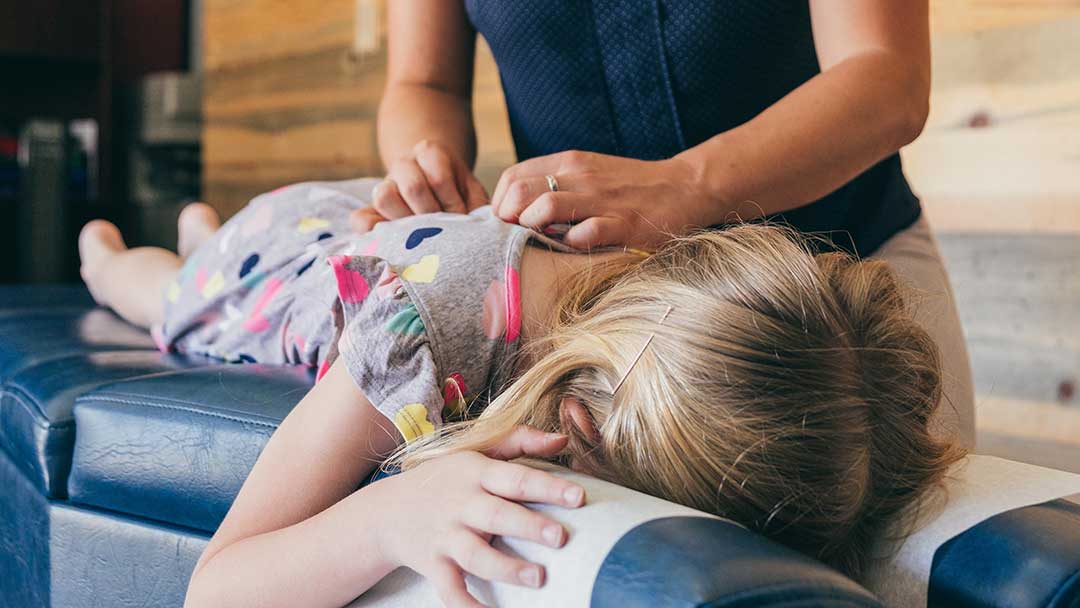
A backpack should be adjusted while the child is wearing it, not while it is empty. Straps often need to be tightened after books and supplies are added.
Does a rolling backpack solve the problem?
A rolling bag can reduce the load carried on the shoulders, but it is not ideal for every setting. Stairs, uneven sidewalks, crowded hallways, snow, wet pavement, and curbs can make rolling difficult. Pulling the bag behind the body may also create wrist, shoulder, or twisting strain if the child frequently changes direction or uses one arm for a long time.
The safest choice depends on the child’s route, school rules, physical comfort, and ability to handle the bag. A rolling option should not be treated as permission to carry unlimited weight.
When should parents take pain seriously?
Occasional tiredness after carrying school supplies is different from persistent or worsening symptoms. A child should be observed carefully if discomfort continues after the backpack is lightened and properly adjusted.
Medical evaluation is especially appropriate for:
- Pain that lasts beyond the school day or repeatedly returns
- Numbness, tingling, or weakness in an arm or leg
- Pain that causes a child to limp or change normal activities
- Night pain, fever, unexplained weight loss, or unusual fatigue
- A recent fall, collision, or other injury
- Difficulty breathing or chest discomfort while carrying the pack
- Symptoms that interfere with sleep, school participation, or play
Backpack-related discomfort may also reveal another issue, such as poor conditioning, an improperly fitted desk or chair, a sports injury, vision-related posture habits, or an unrelated medical condition. The backpack may be contributing to symptoms without being the only cause.
What should children remember?
A simple routine works well: pack only what is needed, use both straps, keep the bag close to the body, and speak up when carrying it hurts. Parents can help by checking the load periodically and watching how the child walks rather than relying only on the number shown on a scale.
For most children, the goal is not to eliminate backpacks. It is to keep the load reasonable, improve the fit, and respond early when discomfort becomes a pattern.
