
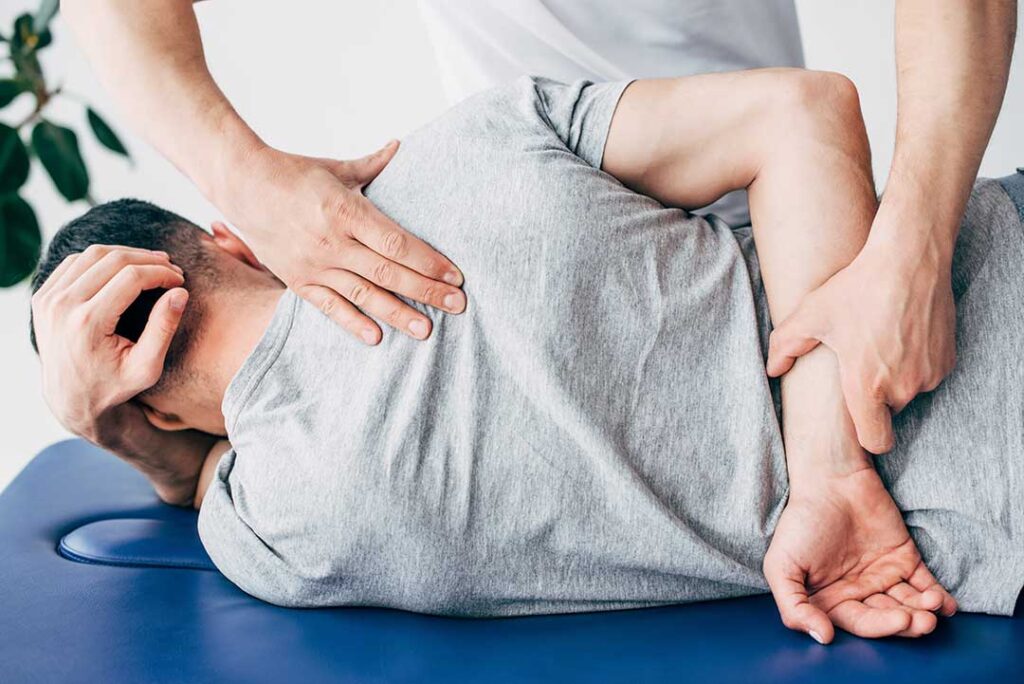
Tension headaches often feel like steady pressure, tightening, or a dull ache around the forehead, temples, scalp, neck, or shoulders. Gentle stretching may help when muscle tightness, prolonged sitting, stress, or awkward sleeping positions contribute to the discomfort.
Stretching is not a cure for every headache, and it should never increase pain. The goal is to restore comfortable movement, reduce unnecessary muscle guarding, and interrupt the cycle of holding tension in the neck and upper body.
How can stretching help a tension headache?
Stretching may ease tension in muscles that attach to the head, neck, shoulders, and upper back. These areas can become overworked after long periods of computer use, driving, reading, phone use, household tasks, or sleeping with the head turned.
Many residents spend parts of the day seated indoors, especially during colder, windy, or humid weather. Remaining in one position for hours can encourage rounded shoulders and a forward-head posture. That position does not automatically cause a headache, but it may increase strain in the muscles supporting the head.
Slow movement also gives the body a chance to relax. Breathing steadily during each stretch can be as useful as the position itself.
Which stretches are useful for tight neck muscles?
Try these movements while sitting or standing comfortably. Keep the motions slow and gentle.
Neck side stretch
- Sit upright with both feet supported.
- Let the right ear move slowly toward the right shoulder.
- Keep the left shoulder relaxed rather than lifting it.
- Hold for 15 to 20 seconds, then return to center.
- Repeat on the other side.
Do not pull the head downward with the hand. The stretch should be mild and felt along the side of the neck, not as sharp pain.
Neck rotation
- Face forward with the chin level.
- Turn the head slowly to the right, as if looking over the shoulder.
- Stop before straining or forcing the movement.
- Pause for a few seconds, return to center, and repeat to the left.
- Perform three to five repetitions on each side.
This can be especially useful after looking down at a phone or working at a screen.
Chin tuck
A chin tuck is a small movement, not a forceful attempt to flatten the neck.
- Sit tall and look straight ahead.
- Gently draw the chin backward, as if making a subtle “double chin.”
- Keep the eyes level and avoid tipping the head downward.
- Hold for three to five seconds.
- Relax and repeat five to ten times.
This movement helps counter the forward-head position that can occur during desk work or prolonged screen use.
What stretches target the shoulders and upper back?
Neck discomfort may continue if the shoulders and upper back remain tense. These movements can be performed during a work break or after completing household activities.
Shoulder rolls
- Lift the shoulders gently toward the ears.
- Move them backward and down in a smooth circle.
- Repeat five to ten times.
- Reverse the direction if that feels comfortable.
Avoid shrugging forcefully. The movement should feel like loosening the shoulders, not exercising them intensely.
Upper-back stretch
- Clasp the hands in front of the body.
- Reach the hands forward while allowing the upper back to round slightly.
- Let the head remain relaxed without dropping heavily.
- Hold for 15 to 20 seconds.
- Return to an upright position.
This may help reduce the upper-back tightness that accompanies prolonged sitting.
Doorway chest stretch

Rounded shoulders can leave the chest muscles shortened and the upper back overworked.
- Stand in a doorway with one forearm resting against the frame.
- Place the elbow around shoulder height.
- Step forward slightly until a gentle stretch is felt across the chest and front of the shoulder.
- Hold for 15 to 20 seconds, then switch sides.
Do not force the shoulder backward or continue if there is tingling, numbness, or joint pain.
How often should these stretches be done?
For mild, occasional tension, a short routine of five to ten minutes may be enough to test whether movement helps. Stretching can also be used preventively during the day rather than waiting until a headache is fully established.
A practical rhythm is to change position at least once every hour. Stand, walk briefly, relax the shoulders, and look away from the screen. A few gentle neck turns and shoulder rolls may be more useful than holding one long stretch.
Stretching should feel easy enough that breathing remains normal. Repeated, comfortable practice is generally more helpful than pushing hard once.
What should be avoided during a headache?
Aggressive neck stretching, rapid circles, forceful cracking, and bouncing motions can aggravate irritated muscles or joints. Avoid using the hands to force the head into a deeper position.
Stop if stretching causes:
- Sharp or increasing pain
- Numbness, tingling, or weakness
- Dizziness or loss of balance
- Nausea or visual changes
- Pain traveling into an arm
A headache that worsens with movement may not be a simple tension headache. Migraines and other headache conditions can also include neck pain, so neck tightness alone does not identify the cause.
Can breathing make the stretches more effective?
Yes. Many people unknowingly hold their breath or tighten the jaw and shoulders during stressful tasks. Pair each stretch with slow breathing:
- Inhale gently through the nose.
- Exhale slowly while settling into the movement.
- Keep the jaw loose, with the teeth slightly apart.
- Let the shoulders drop away from the ears.
This approach may be useful during a busy workday, while commuting, or after repetitive chores. Jaw clenching and teeth grinding can also contribute to discomfort around the temples and forehead.
When should a headache be evaluated promptly?
Seek urgent medical care for a headache that is sudden and extremely severe, follows a head injury, or occurs with confusion, fainting, weakness, trouble speaking, loss of vision, fever with a stiff neck, or repeated vomiting.
For recurring headaches, keep track of frequency, duration, location, possible triggers, sleep, hydration, screen time, and associated symptoms. Headaches occurring often, lasting longer than usual, or changing in pattern deserve medical evaluation. Stretching should support a broader plan rather than mask a condition that needs attention.
For many people, the most useful routine is modest: sit or stand comfortably, move the neck through a pain-free range, loosen the shoulders, stretch the chest and upper back, and take regular movement breaks. The response over several days can help show whether muscle tension and prolonged positioning are contributing to the headaches.
