
Knee pain can often be reduced without medication by combining gentle movement, targeted strengthening, activity changes, and simple home care. The right approach depends on whether the discomfort comes from overuse, arthritis, a recent injury, muscle weakness, or another condition.
For local residents, daily routines may include walking to nearby destinations, climbing stairs, gardening, commuting, or spending time on hard surfaces. These repeated demands can irritate the knee, especially during cold weather, after a sudden increase in activity, or when supportive muscles are not doing enough of the work.
What can cause knee pain?
Knee pain is a symptom rather than a diagnosis. Common causes include osteoarthritis, tendon irritation, bursitis, sprains, meniscus problems, kneecap tracking issues, and pain referred from the hip or lower back.
The location and behavior of the pain can offer clues:
- Pain at the front of the knee may worsen with stairs, squatting, or sitting for a long time.
- Pain along the inner or outer joint line may follow a twisting injury or repetitive strain.
- Stiffness after waking or sitting may occur with arthritis.
- Swelling after activity can indicate irritation inside or around the joint.
- Sudden pain with a pop, instability, or inability to bear weight requires more caution.
Home strategies may help mild, familiar symptoms, but they should not be used to ignore significant injury or worsening problems.
Should the knee rest completely?
Usually, no. Complete rest may reduce discomfort briefly, but too little movement can lead to stiffness, loss of strength, and reduced confidence in the joint. A better strategy is relative rest: reduce activities that clearly aggravate the knee while continuing comfortable movement.
For example, someone who develops pain after long walks might temporarily choose shorter, flatter walks. A person who experiences pain while climbing stairs may limit repeated trips, use a handrail, and avoid carrying heavy loads until symptoms settle.
Pain during activity should generally remain mild and should not steadily worsen. Sharp, catching, or unstable sensations are signs to stop that movement.
Which exercises may help knee pain?
Strengthening the muscles around the hip and thigh can improve control of the knee. Begin with slow, low-load exercises and avoid forcing the joint into painful positions.
Useful starting options may include:
- Seated knee extensions: Sit upright, slowly straighten one leg, pause briefly, and lower it with control.
- Straight-leg raises: Lie on your back with one knee bent and the other leg straight. Tighten the thigh and lift the straight leg a small distance.
- Glute bridges: Lie on your back with knees bent. Tighten the abdomen and buttocks, then lift the hips slightly.
- Supported sit-to-stands: Rise from a firm chair and sit back down slowly, using the arms only if needed.
- Calf raises: Hold a stable surface and slowly rise onto the balls of the feet.
Start with a small number of repetitions, such as five to ten, and increase gradually if the knee responds well. The goal is controlled movement rather than intensity. Exercise should not create sharp pain, marked swelling, or limping.
Gentle stretching for the calves, hamstrings, and front of the thighs may also improve comfort, particularly after sitting for long periods.
Is walking helpful or harmful?
Walking can be helpful when the distance, pace, and surface are appropriate. Low-impact activity helps maintain joint motion and supports the muscles that protect the knee.
If walking increases symptoms:
- Shorten the route rather than stopping all activity.
- Choose a level, predictable surface.
- Walk at a pace that allows comfortable conversation.
- Wear supportive, well-fitting shoes.
- Take brief breaks before pain becomes severe.
- Consider cycling, water exercise, or another low-impact option temporarily.
Seasonal conditions can affect walking habits in Lynbrook. Cold temperatures, wet pavement, and slippery surfaces may encourage people to move less or alter their stride. Maintaining indoor movement during uncomfortable weather can help prevent stiffness, while cautious footing reduces the risk of a fall-related injury.
Should heat or cold be used?
Both may be useful, but they serve different purposes. Cold is often more comfortable after a flare-up, increased activity, or swelling. A wrapped cold pack can be applied for short periods, with a cloth barrier protecting the skin.
Heat may help stiffness before movement, especially after sleeping or sitting. A warm shower or heating pad on a low setting can make gentle exercises more comfortable.
Neither should be applied directly to the skin or used while sleeping. People with reduced sensation, circulation problems, or difficulty sensing temperature should use extra caution.
Can weight management affect knee pain?
Body weight is only one factor in knee pain, but reducing excess load can lessen the stress placed on the joint during walking and stair use. Weight changes should be gradual and should not depend on painful exercise.
A practical approach may include regular low-impact activity, adequate protein and fiber, balanced meals, and fewer highly processed foods. Even modest changes may make movement easier for some people, although knee pain can occur at any body size and should not be treated as a matter of personal blame.
What daily habits protect the knees?
Small adjustments can reduce repeated strain:
- Avoid remaining in one position for long periods; stand and move gently every 30 to 60 minutes.
- Use the handrail on stairs when the knee feels uncertain.
- Turn the whole body instead of twisting sharply on a planted foot.
- Use a raised surface for gardening or household tasks that require prolonged kneeling.
- Avoid sudden increases in walking, running, lifting, or recreational activity.
- Build activity gradually after periods of inactivity.
Good hip, ankle, and foot movement also matters. Limited mobility in these areas can cause the knee to absorb more stress than it should.
When should knee pain be evaluated?
Some symptoms should not be managed only at home. Prompt medical evaluation is appropriate after a significant fall, collision, or twisting injury, particularly if the knee is visibly deformed, rapidly swelling, or unable to bear weight.
Evaluation is also advisable when:
- The knee repeatedly gives way or locks.
- Pain is severe, constant, or worsening.
- The joint is hot, red, or accompanied by fever.
- Swelling persists or keeps returning.
- Numbness, weakness, or significant leg swelling develops.
- Symptoms do not improve after several weeks of careful activity changes.
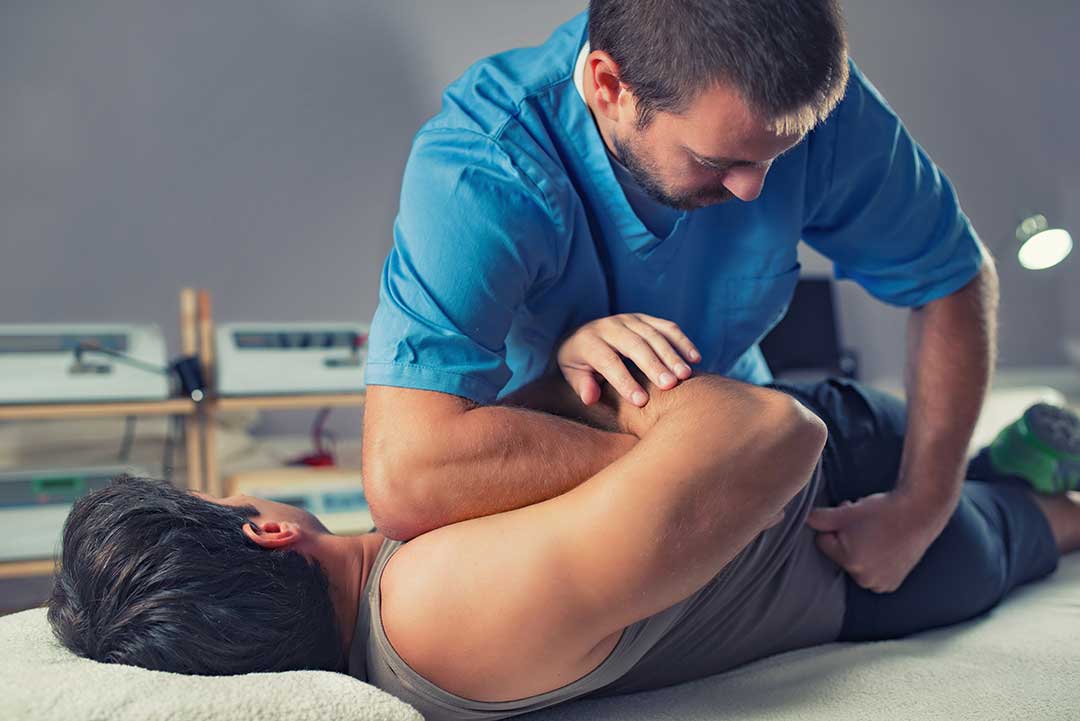
A qualified health professional can help determine whether the problem is muscular, joint-related, nerve-related, or connected to another condition. Chiropractic care may be one part of an overall movement and musculoskeletal assessment, but persistent, traumatic, or medically concerning symptoms require appropriate clinical evaluation.
How long should improvement take?
Mild irritation may improve over several days, while arthritis-related stiffness or strength deficits can take several weeks of consistent, gradual work. Progress is better measured by function—walking farther, using stairs more comfortably, or standing with less stiffness—rather than by expecting pain to disappear immediately.
A simple record of activities, swelling, exercise, and next-day symptoms can reveal which movements help and which need modification.
