
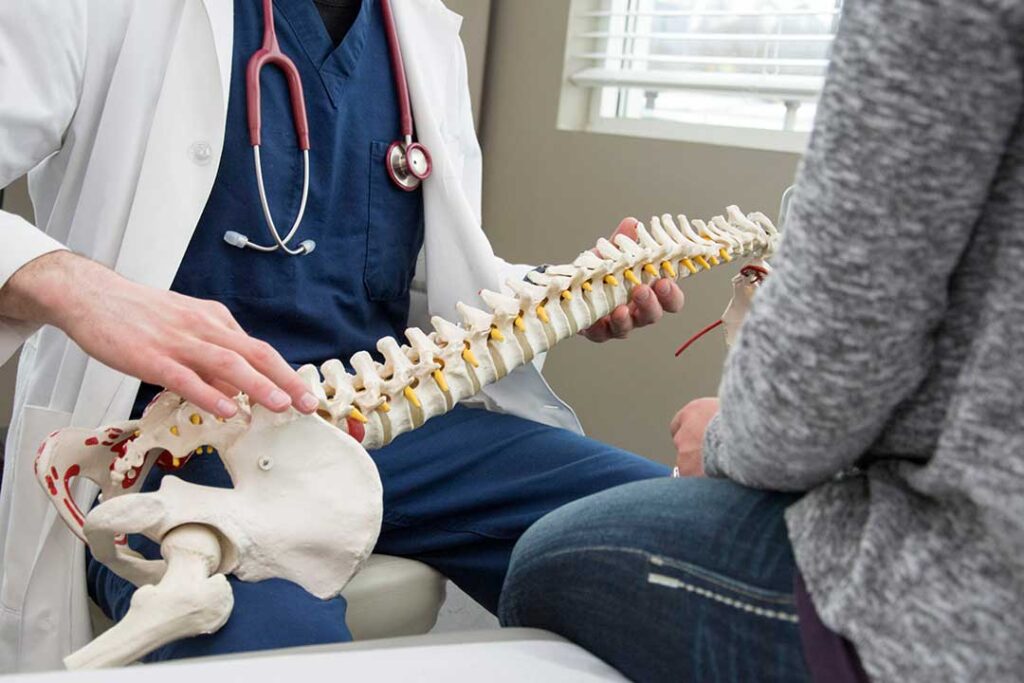
Children and students spend many hours sitting, carrying school materials, using tablets, and completing homework. Ergonomics—the practice of fitting activities and surroundings to the body—can reduce unnecessary strain on the neck, back, shoulders, wrists, and eyes.
Good ergonomics does not mean sitting perfectly still all day. Children need comfortable positions, frequent movement, properly fitted equipment, and habits that match their age and size.
What does good posture look like for a child?
Good posture is a balanced, relaxed position rather than a rigid pose. A child’s head should be generally aligned over the shoulders, the shoulders relaxed, and the back supported when sitting.
For homework, reading, or computer use:
- Keep both feet supported by the floor or a stable footrest.
- Let the knees remain comfortably bent, ideally near a right angle.
- Keep elbows close to the body rather than reaching far forward.
- Position the work surface so the shoulders can stay relaxed.
- Avoid leaning the head toward the screen for long periods.
- Change position regularly instead of trying to hold one posture for an extended time.
Children vary greatly in height, so furniture designed for adults may not fit well. A chair that is too high can leave the feet unsupported, while a desk that is too tall may cause raised shoulders and bent wrists. A folded towel, firm cushion, or footrest can sometimes improve fit without requiring new furniture.
How should a child’s homework area be arranged?
A useful study area allows the child to see the work clearly without bending the neck or reaching constantly. The desk or table should be deep enough for books and devices, with room for the forearms to rest comfortably.
For computer or tablet work, place the screen near eye level when practical. A laptop may need to be raised on a stable stand or a stack of books, but an external keyboard can help prevent the child from reaching upward or bending the neck downward. The screen should be far enough away that the child does not need to lean forward to read.
Lighting also affects posture. Glare from windows or overhead lights can cause squinting and forward head movement. In homes where children study near a window, especially during bright winter or summer afternoons, adjusting the screen angle or using curtains may reduce glare. A desk lamp can help with reading, but it should not shine directly into the child’s eyes or reflect off the screen.
A practical setup includes:
- A chair that supports the back without forcing the child forward.
- Feet resting on the floor or a stable support.
- A screen positioned so the neck stays mostly neutral.
- Books placed close enough to avoid repeated twisting.
- Frequently used items within easy reach.
- Clear space beneath the desk for the legs.
How heavy should a school backpack be?
A backpack should be as light as possible and should not make a child lean forward, struggle to walk, or complain of pain. A commonly used safety guideline is to keep the loaded backpack near 10% to 15% of the child’s body weight, although individual tolerance and the child’s physical condition also matter.
Fit is just as important as weight. The backpack should sit close to the body, with both shoulder straps used. The bottom should rest around the lower back rather than hanging far below the waist.
Help children pack intentionally:
- Remove papers, books, and sports equipment that are not needed that day.
- Place heavier items close to the child’s back.
- Use both shoulder straps and adjust them evenly.
- Use a chest or waist strap if the backpack has one.
- Lift the backpack by bending at the knees rather than bending and twisting through the waist.
- Watch for signs of excessive load, such as red strap marks, numbness, shoulder pain, or difficulty standing upright.
Rolling bags are not always practical on stairs, uneven sidewalks, crowded hallways, or during wet and icy weather. The safest option depends on the child’s school routine and ability to manage the bag without pulling, twisting, or tripping.
How often should children take breaks from screens and sitting?
Children should not be expected to remain in one seated position for an entire homework session. Short movement breaks can reduce stiffness and make it easier to return attention to schoolwork.
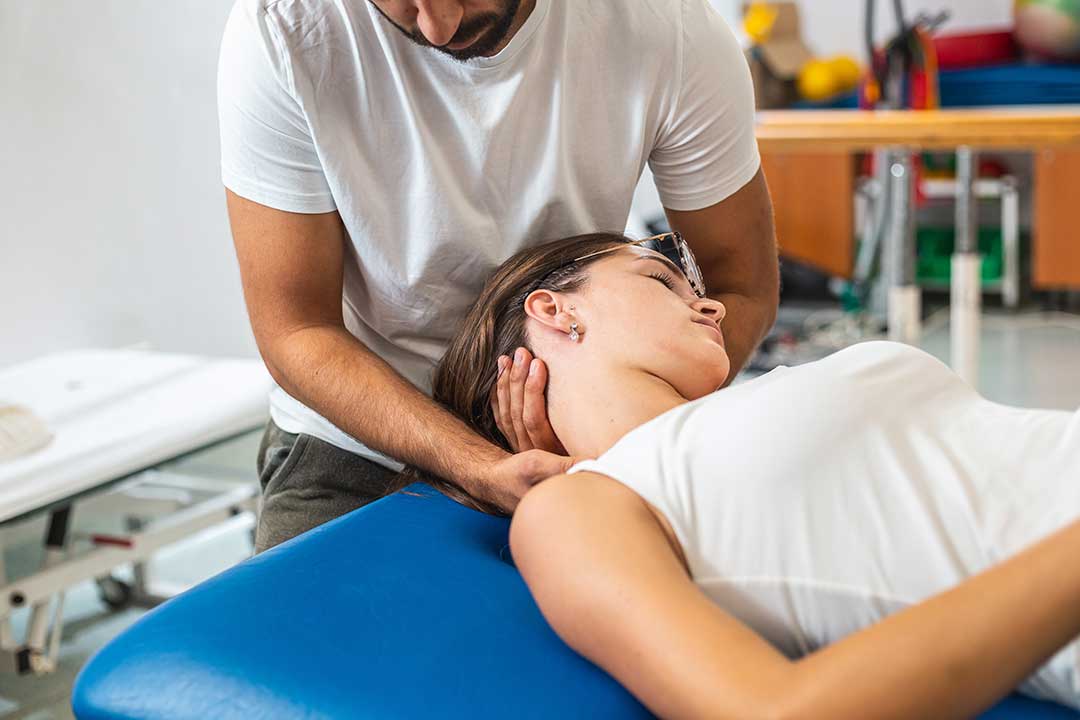
A child might stand, walk around the room, stretch gently, refill a water bottle, or switch from typing to reading. Younger children often benefit from more frequent changes than teenagers. During long indoor study periods, especially during cold or rainy weather, movement can be built into the routine rather than treated as a distraction.
A simple pattern may be:
- Work for a manageable period.
- Stand or move for a few minutes.
- Look away from the screen and relax the eyes.
- Resume work with a slightly different position.
The goal is not a rigid timer. It is to prevent long stretches of uninterrupted sitting, slouching, and close screen viewing.
Are phones and tablets harmful to posture?
Phones and tablets are not automatically harmful, but prolonged use in a downward-looking position can contribute to neck and upper-back discomfort. Children often hold devices in their laps, which encourages the head to tilt forward.
Raise the device closer to eye level when possible. Support the arms with a pillow or armrest during longer reading sessions. Encourage children to alternate hands, change positions, and take breaks instead of using a device continuously.
Watching a short video from a comfortable position is different from spending hours bent over a small screen. Duration, position, and movement all matter.
What ergonomic habits help with reading and writing?
Children may lean over books or press heavily with pencils when they are tired, working in poor lighting, or using a table that is too high. The book should be close enough to read without hunching, and the child’s writing arm should be supported when possible.
A slanted writing surface can sometimes make reading and writing more comfortable. Pencil grip should remain relaxed rather than tightly clenched. If handwriting causes repeated hand pain, excessive fatigue, or difficulty completing age-appropriate work, the child’s teacher and pediatric healthcare provider may help identify contributing factors.
When does discomfort need more attention?
Mild stiffness after an unusually long study session often improves with movement and rest. Persistent, worsening, or activity-limiting symptoms deserve closer attention.
Families should seek medical guidance when a child has:
- Repeated neck, back, shoulder, wrist, or hand pain.
- Numbness, tingling, weakness, or loss of coordination.
- Pain that wakes the child at night.
- Symptoms following a fall, collision, or other injury.
- Difficulty walking, carrying school materials, or participating in normal activities.
- Pain that continues despite adjusting the workstation and reducing strain.
Ergonomics cannot prevent every injury or explain every symptom. It is a practical way to reduce avoidable stress while children learn, play, travel to school, and complete homework. In Lynbrook, simple adjustments can be especially useful for households balancing limited indoor space, seasonal weather, and a mix of schoolwork completed at desks, kitchen tables, and portable devices.
